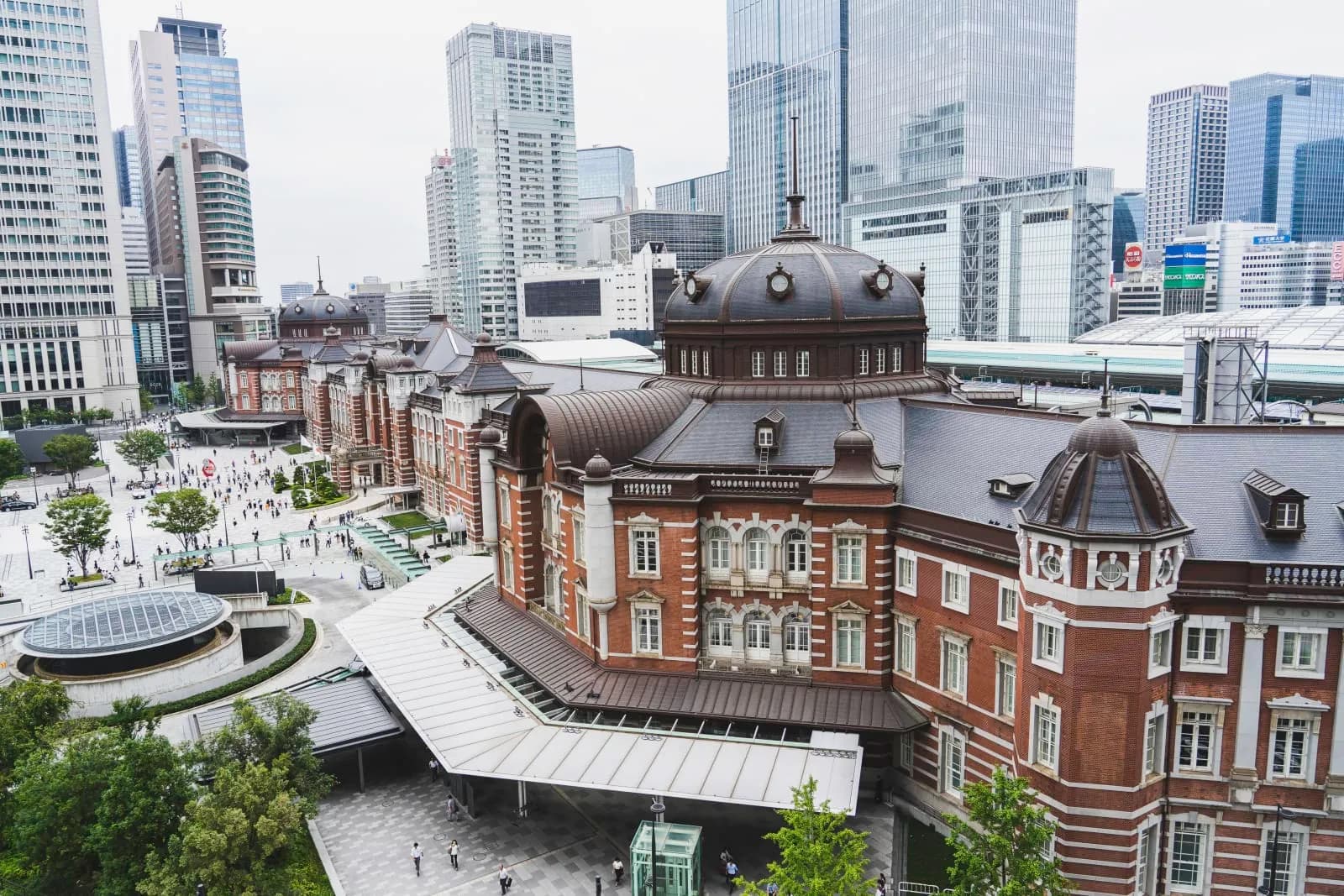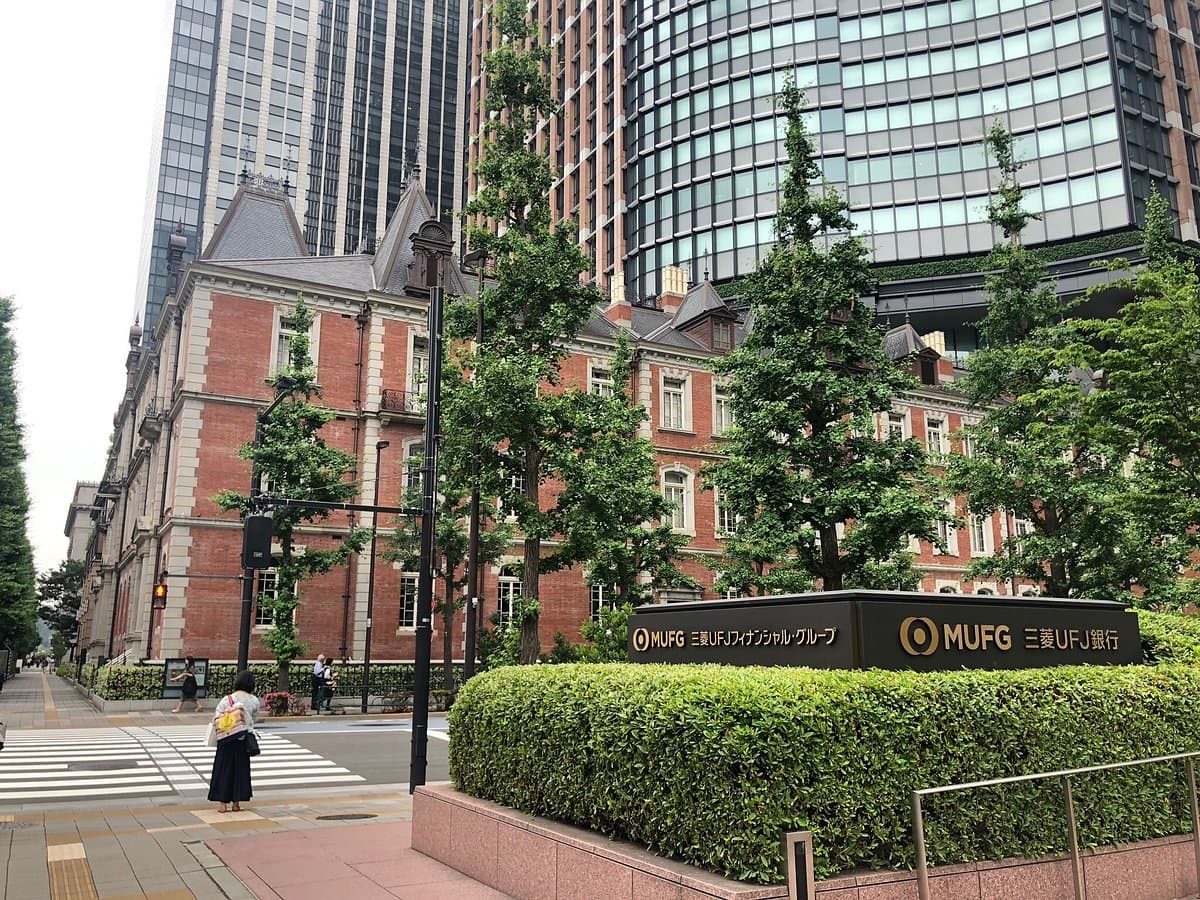
The Mitsubishi Ichigokan Museum is a distinctive art museum in Tokyo's Marunouchi district, housed in a faithful recreation of the original 1894 Mitsubishi Ichigokan building. This red-brick structure, designed by British architect Josiah Conder, was Tokyo's first Western-style office building. Reconstructed in 2009 and reopened in 2010, it stands as a striking contrast to the surrounding modern skyscrapers, offering a glimpse into Meiji-era Tokyo and serving as a dedicated space for 19th-century European art, particularly from the late 19th and early 20th centuries.
Visitors consistently highlight the museum's beautiful architecture and its charming setting within Marunouchi Brick Square. Many reviewers consider the building itself to be a significant attraction, appreciating its vintage vibes and the colonial style. The museum is renowned for its high-quality special exhibitions, often featuring masterpieces from European collections, including Impressionist and Art Deco works. Reviewers frequently praise the curation and display of these exhibitions, noting that the gallery spaces, though sometimes described as small or disjointed, are well-lit and conducive to viewing art. The museum's cafe, Cafe 1894, also receives positive mentions for its atmosphere and food, making it a popular spot for a break.
To make the most of a visit, it is advisable to check the current exhibition schedule in advance, as the museum does not have a large permanent collection and its appeal largely depends on the temporary shows. Some visitors have expressed disappointment when an exhibition did not align with their expectations. An estimated visit duration of 1.5 to 2 hours is generally sufficient to explore an exhibition. The museum can get crowded, especially for popular shows, so arriving shortly after opening or later in the afternoon might offer a more relaxed experience. Dress warmly, as some visitors have noted the museum can be quite cold inside. Consider combining your visit with a stroll through the surrounding Marunouchi Brick Square, which features gardens, shops, and restaurants.
The Mitsubishi Ichigokan Museum is conveniently located about a 5-10 minute walk from Tokyo Station, making it easily accessible by public transport. From Tokyo Station, take the Marunouchi South Exit and follow the signs towards Marunouchi Brick Square. The area is well-connected by various JR lines and subway lines. For those driving, parking is available in nearby underground lots, though public transport is generally recommended in central Tokyo.
A common complaint among some visitors is the occasional mismatch between their expectations and the actual exhibition, sometimes leading to a feeling of wasted entry fee if the art is not to their taste. To mitigate this, always research the specific exhibition on display before your visit. Another point raised is that the museum can be quite cold, so bringing an extra layer of clothing is a good idea. While the museum is praised for its exhibitions, some visitors expecting a permanent collection might be surprised by its focus on temporary shows.