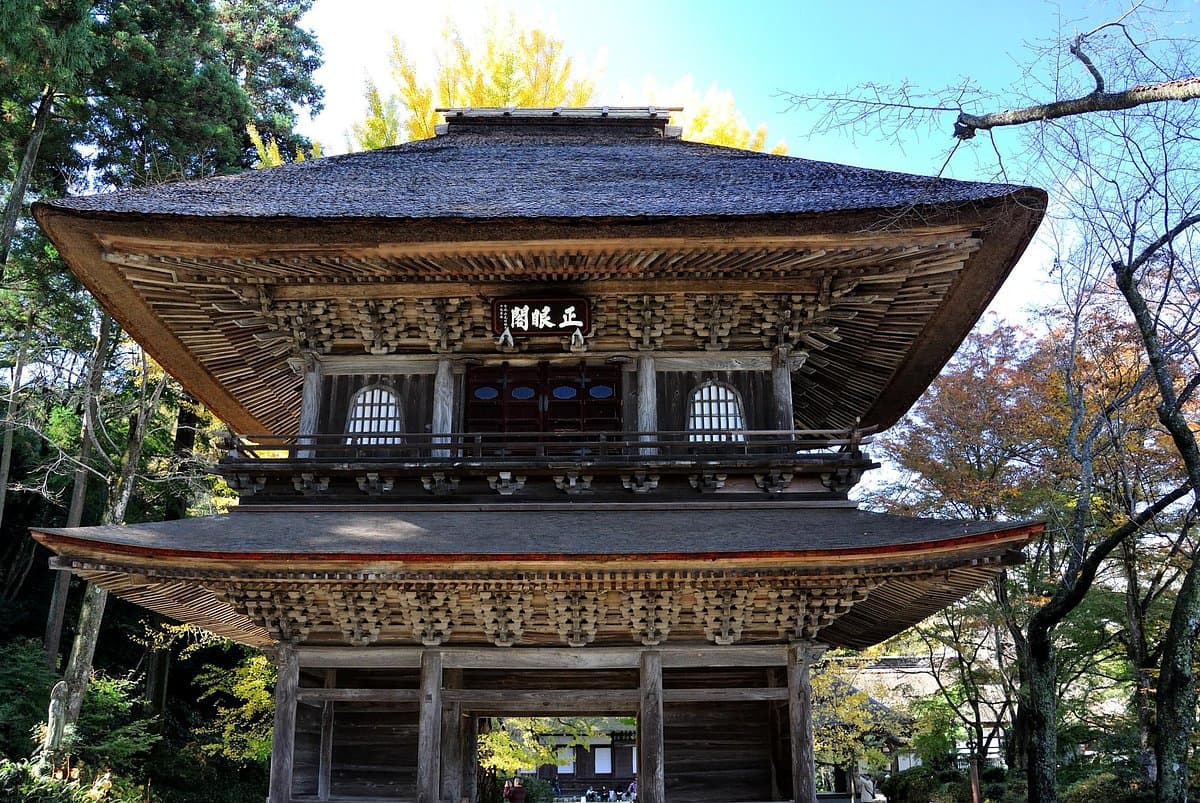
Kotokuji Temple is a historic Buddhist temple located in Akiruno, Tokyo Prefecture, with a history spanning over 600 years. It is known for its tranquil environment and significant natural features, including two massive ginkgo trees and cherry trees, making it a notable site for those seeking a blend of cultural heritage and natural beauty outside the bustling city center.
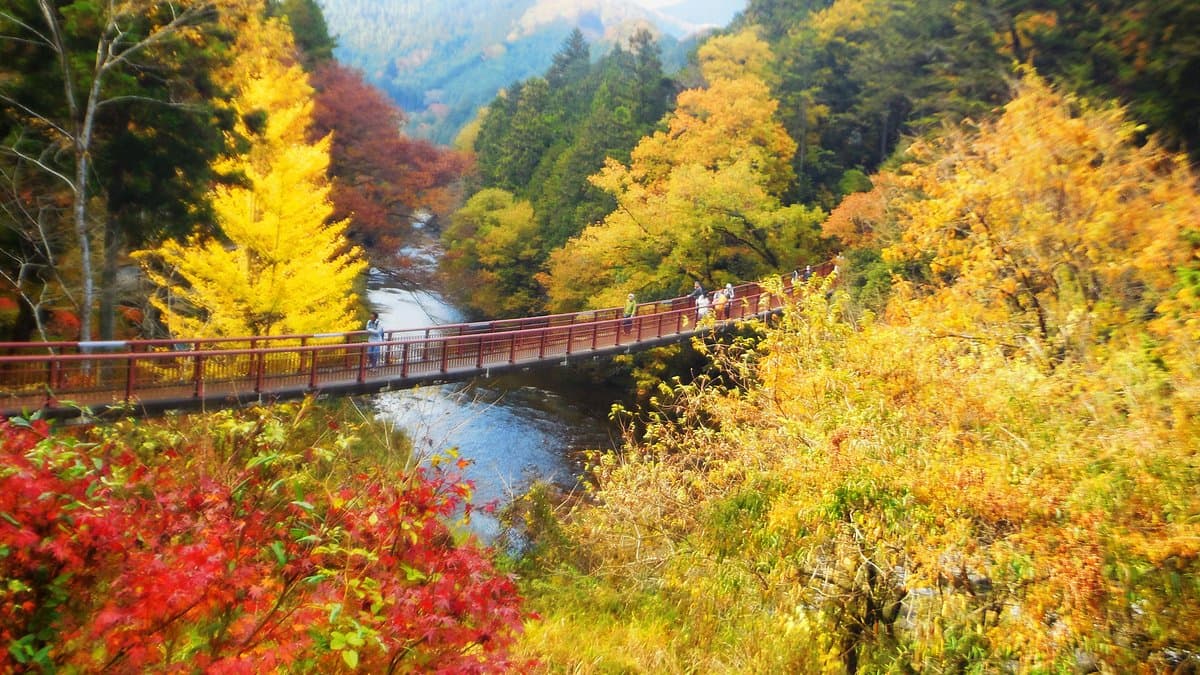
Visitors consistently praise the temple's serene and reflective atmosphere, often describing it as an "impressionistic scene" during the autumn months when the ginkgo trees display vibrant colors. The temple's bell is also a point of interest, though visitors are reminded to use it respectfully and not repeatedly. The cherry blossom season is highlighted as another particularly beautiful time to visit, with the large cherry trees creating a stunning display. The overall sentiment from visitors is one of peaceful appreciation for the temple's ancient charm and natural splendor.
To make the most of a visit, consider timing your trip during the autumn for the ginkgo foliage or spring for the cherry blossoms, as these seasons are frequently mentioned as the most visually striking. A visit of 1-2 hours is generally sufficient to explore the grounds and enjoy the tranquility. Remember to observe local customs, such as respectful use of the temple bell. There are no specific warnings about what to skip, as the temple's appeal lies in its entirety.
The temple is accessible via public transport, with visitors noting it is a walk from Musashi-Itsukaichi Station. This suggests that while it requires some effort to reach, the journey is considered worthwhile. Specific bus routes are not mentioned in reviews, but checking local bus schedules from the station would be advisable for those who prefer not to walk the entire distance.
Common complaints are not explicitly detailed in the available reviews, suggesting a generally positive visitor experience. However, the walk from the station might be a consideration for some, and visitors should be prepared for this. Mitigating this would involve planning for the walk or researching local bus options from Musashi-Itsukaichi Station.