Koishikawa Korakuen Garden is one of Tokyo's oldest and most significant traditional Japanese gardens, designated as a Special Historic Site and Special Place of Scenic Beauty. Established in 1629 by the Mito Tokugawa family, it showcases a 'stroll garden' style with a central pond, artificial hills, and meticulously crafted landscapes that incorporate elements of both Japanese and Chinese garden design. Its historical importance and serene beauty make it a vital cultural landmark in the heart of the city.
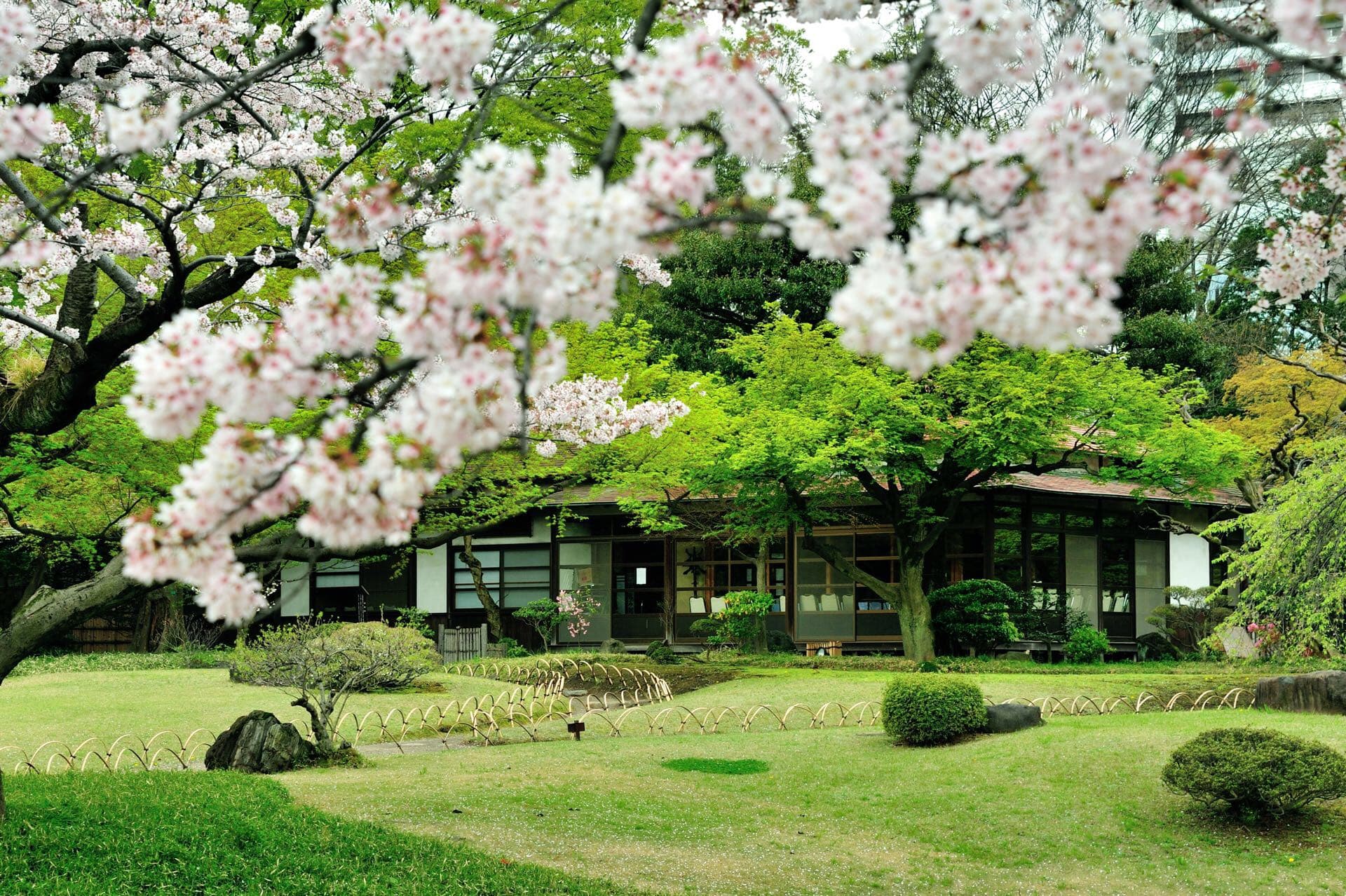
Visitors frequently highlight the garden's ability to provide a peaceful escape from the urban environment, often describing it as an "oasis" or "different world" despite its proximity to the Tokyo Dome. The garden is particularly celebrated for its seasonal beauty; many reviewers recommend visiting during the autumn for spectacular red and yellow foliage, or in spring for cherry and plum blossoms. The "Full Moon" bridge, winding paths, and various viewpoints around the central pond are consistently praised for their photogenic qualities. Reviewers also appreciate the well-maintained grounds and the sense of tranquility, making it ideal for a relaxing stroll or quiet contemplation.
To make the most of your visit, aim to arrive early in the morning, especially on weekends, to avoid crowds and enjoy the garden's serenity. Many visitors suggest allocating 1 to 2 hours to leisurely explore the paths, bridges, and various sections. While the garden is beautiful year-round, the plum blossoms in early February, cherry blossoms in early April, irises in late May/early June, and autumn leaves from mid-November to early December are particularly recommended. Bring insect repellent, especially during warmer months, as some visitors have noted mosquitoes. There are benches throughout the garden for resting, and a tea house offers matcha tea for a traditional experience.
The garden is conveniently located and easily accessible by public transport. It's a short walk from several subway stations. From Iidabashi Station (Oedo Line, Tozai Line, Yurakucho Line, Namboku Line, JR Chuo Line), it's approximately a 5-10 minute walk. Look for signs pointing to the garden, especially from the East exit of Iidabashi. From Korakuen Station (Marunouchi Line, Namboku Line), it's also a short walk. The entrance is on a side street west of the Tokyo Dome. While driving is an option, public transport is generally recommended due to Tokyo's efficient system and potential parking difficulties.
A common complaint among some visitors is that the garden can appear "underwhelming" or "ordinary" outside of peak seasons like autumn or cherry blossom. To mitigate this, check seasonal bloom forecasts before your visit if specific flora is a priority. Additionally, some areas might be under renovation, which can temporarily impact the scenic views; it's advisable to check the garden's official website for any such notices. Despite these minor points, the overwhelming sentiment is that the small entrance fee is excellent value for the experience offered.