Kasane-ga-fuchi refers to a specific bend of the Kinugawa River in Joso City, Ibaraki Prefecture, which serves as the chilling backdrop for one of Japan's 'big three' ghost stories. This tale, first recorded in the 17th century and popularized through countless kabuki and rakugo adaptations, recounts a tragic saga of betrayal, murder, and restless spirits. Its significance lies not in its visual grandeur, but in its profound cultural impact and its connection to a foundational piece of Japanese folklore.
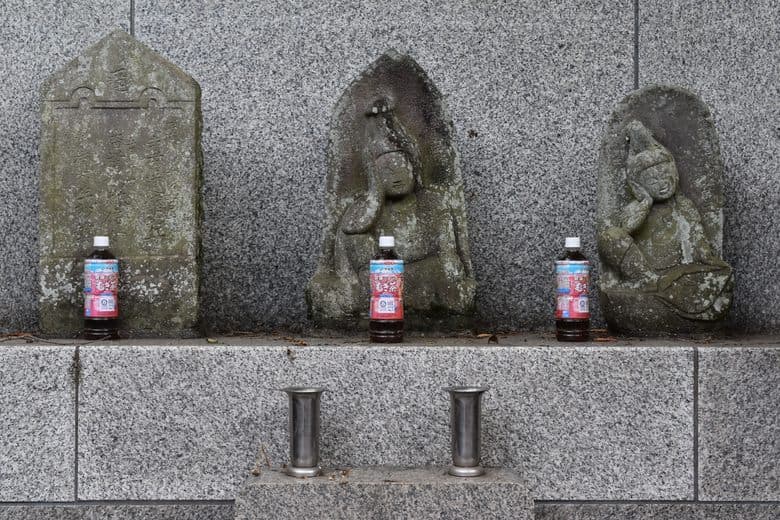
Visitors primarily come to Hōzō-ji Temple, where the graves of the story's central figures—Kasane (Rui), Suke, and Kiku—are located. Reviewers consistently highlight that these graves are well-maintained and clearly marked within the temple grounds, making them easy to find. The temple itself offers a serene atmosphere, allowing for quiet contemplation of the tragic narrative. However, it's important to manage expectations regarding the 'abyss' itself; visitors frequently note that the actual bend of the Kinugawa River is quite ordinary and difficult to distinguish from any other part of the river, lacking any dramatic visual features.
For those planning a visit, it's recommended to allocate about an hour to explore Hōzō-ji Temple and locate the graves. The best time to visit is during daylight hours, as the temple grounds are more accessible and the atmosphere is less eerie. Bring comfortable walking shoes, as reaching the temple involves a significant walk from the nearest train station. There are no specific entry fees for the temple grounds or the graves, making it a free cultural experience.
To reach Hōzō-ji Temple and the former village of Hanyu by public transport, first travel to Moriya Station. From there, take the Kantetsu-Joso Line train to Kita-Mitsukaidō Station. The temple is approximately a 30-minute walk from Kita-Mitsukaidō Station. While driving might offer more convenience, public transport is a viable option for those comfortable with walking.
A common complaint is the unremarkable nature of the Kinugawa River bend itself, which many find anticlimactic compared to the dramatic story it represents. To mitigate this, focus your visit on the Hōzō-ji Temple and the graves, which provide the tangible link to the legend. Approach the site with an appreciation for its historical and cultural significance rather than expecting a visually striking natural landmark.