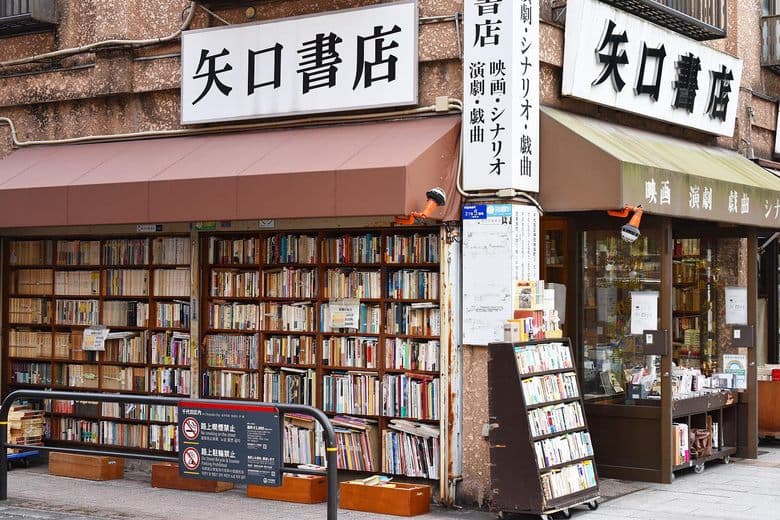
Jimbōchō Book Town is a historic and vibrant district in Tokyo, renowned globally as one of the largest and oldest book towns. It's a true haven for bibliophiles, housing hundreds of bookstores that collectively offer a significant portion of Tokyo's secondhand book market. Its origins trace back to the 1880s, serving law school students, and it miraculously survived the Bombing of Tokyo during WWII, preserving its unique character and literary heritage.
Visitors consistently praise the sheer variety and specialization of the bookstores, noting that each shop often focuses on specific genres like classic literature, philosophy, art, or foreign books. Many reviewers highlight the joy of discovering rare finds and the distinct, comforting scent of old paper that permeates the air. The open-air bookshelves displaying discount items are a particular draw, inviting casual browsers and serious collectors alike. Beyond books, the area is also celebrated for its historic cafes, such as Ladrio, known for introducing Viennese coffee to Japan, and numerous curry restaurants, offering a complete cultural experience.
To make the most of your visit, allocate at least 2-3 hours, or even half a day if you're a keen reader. It's best to visit during daylight hours to fully appreciate the outdoor displays and the ambiance. If you're looking for English books, specific stores like Kitazawa Book Store, Sūbunsō, or Isseidō are recommended starting points. Be aware that some stores may have a strict 'no photography' policy inside, so it's advisable to ask before taking pictures. Comfortable walking shoes are a must, as you'll be doing a lot of browsing.
Jimbōchō is easily accessible via public transport. The most convenient way to reach it is by taking the subway to Jimbōchō Station, which is served by the Tokyo Metro Hanzomon Line, Toei Mita Line, and Toei Shinjuku Line. Upon arrival, visitors should look for the station's murals, which cleverly imitate shelves full of books, setting the tone for the district. The book town itself is concentrated around the station, making it very walkable once you arrive.
A common complaint, particularly for non-Japanese speakers, is the language barrier in some smaller, specialized shops, as many books are in Japanese. However, even without understanding the language, the atmosphere and the sheer volume of books are impressive. To mitigate this, focus on stores known for foreign language sections or simply enjoy the visual experience of the unique shopfronts and displays.