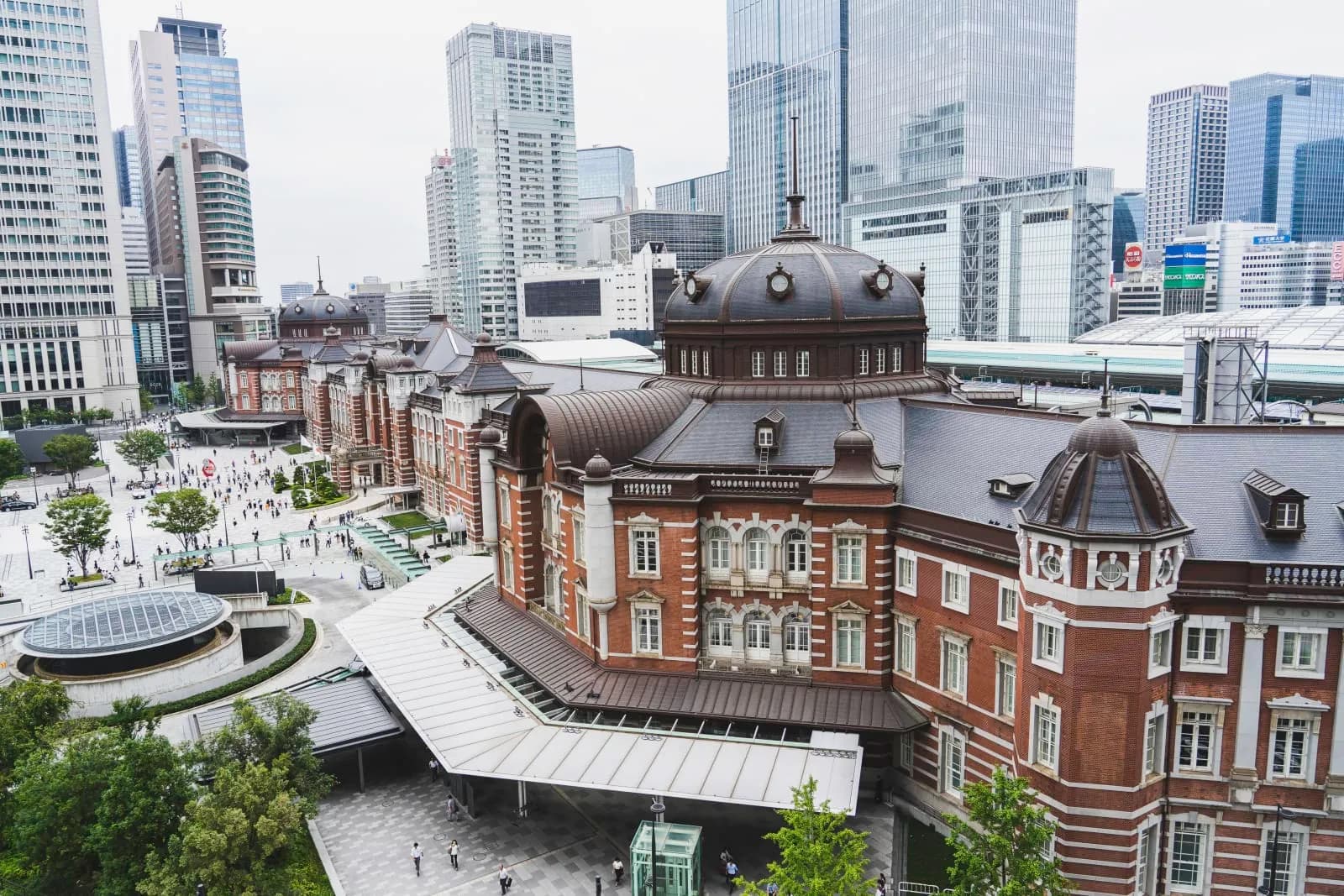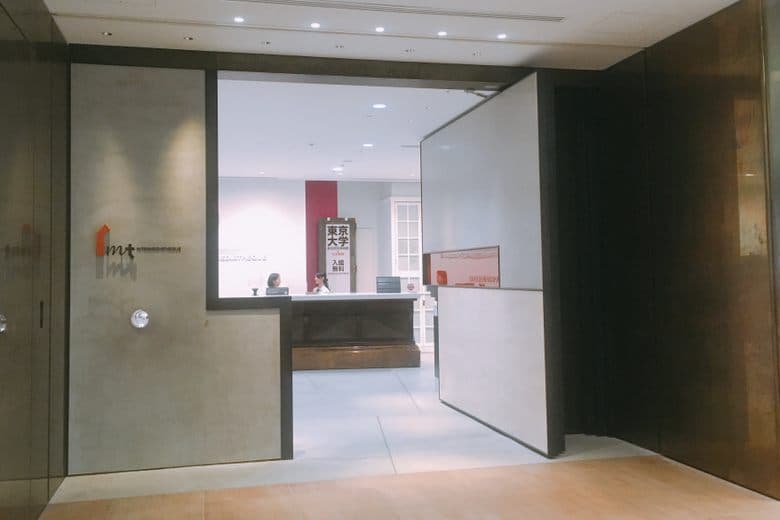
The Intermediatheque is a distinctive museum located on the second and third floors of the JP Tower, which also houses the KITTE department store, directly opposite Tokyo Station. It's a collaborative effort between the University of Tokyo and Japan Post, designed to display a vast and eclectic collection of specimens and antiquities amassed by the university since the 19th century. This 'cabinet of curiosities' offers a fascinating glimpse into natural history, science, and art, making it a notable cultural institution in the heart of Tokyo.
Visitors consistently praise the museum for its unique and diverse exhibits, ranging from animal skeletons and taxidermy to ancient artifacts and scientific models. Many appreciate the unexpected nature of finding such a collection within a modern shopping complex, contributing to a sense of discovery. The free entry is a significant draw, allowing visitors to explore at their leisure without financial commitment. Reviewers often highlight the well-preserved specimens and the intriguing presentation, which encourages a contemplative experience. However, some visitors note that the museum can feel a bit overwhelming due to the sheer volume and variety of items, and the lack of extensive English explanations for every single item can be a minor drawback for non-Japanese speakers.
To make the most of your visit, allocate about 1 to 2 hours. The museum is generally less crowded during weekday mornings. Photography is permitted in certain areas, so pay attention to signage. Free lockers are available near the entrance on the second floor, which is convenient for storing bags while you explore. Since it's free, it's an excellent option for a short cultural interlude or a rainy day activity. Consider combining your visit with exploring the KITTE department store itself, which offers shopping and dining options, or the nearby Tokyo Station area.
The Intermediatheque is exceptionally easy to access. It's just a one-minute walk from the Marunouchi exit of Tokyo Station, which is a major transportation hub served by numerous JR lines (Yamanote, Chuo, Keihin-Tohoku, Tokaido, etc.) and Tokyo Metro lines (Marunouchi Line). Follow signs for the KITTE building from the station. The museum entrance is located inside the KITTE department store. Given its central location and direct access from one of Tokyo's busiest stations, public transport is by far the most convenient way to reach it; driving is not recommended due to limited and expensive parking in the area.
A common complaint is the occasional lack of detailed English explanations for all exhibits, which can sometimes leave non-Japanese speaking visitors wanting more context. To mitigate this, consider doing some preliminary research on 'wunderkammer' or specific types of exhibits (e.g., natural history specimens, ancient artifacts) if you want to deepen your understanding before your visit. Alternatively, simply embrace the visual experience and the aesthetic arrangement of the diverse collection.