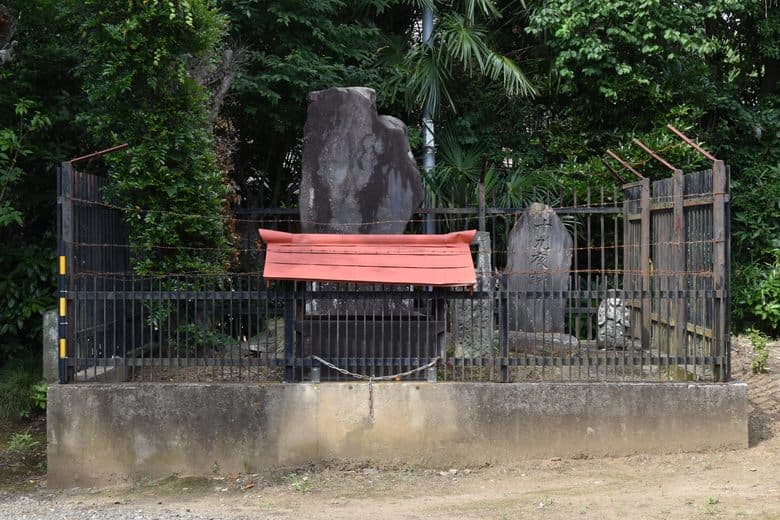
The Haunted Acala Stele of Moriya is a stone monument depicting Acala (Fudō-myō-ō), a wrathful Buddhist deity. Its significance stems from a brief period in 1975 when a local girl's claims of seeing ghostly faces on the stele led to widespread media attention and a surge of curious visitors. While its moment of fame has long passed, it remains a unique piece of local history, reflecting a fascinating episode of pre-internet paranormal fascination in Japan.
Visitors interested in the stele should manage their expectations; it is not a grand monument but a simple stone in a residential setting. Those who appreciate obscure historical footnotes and local folklore will find its story intriguing. The stele itself is now protected by an iron fence, limiting close access, but its historical context as a 'ghost stone' (Obake-ishi) is its primary draw.
For a visit, it's best to go during daylight hours, as it is located in a residential neighborhood. There are no facilities or guides, so bring any water or snacks you might need. A visit is typically very brief, perhaps 15-30 minutes, primarily for viewing the stele and reflecting on its history. There are no entry fees, and no specific items are required, though a camera might be useful for documenting the site.
The stele is located in the Koya-Nakatsubo neighborhood of Moriya. The nearest train station is Minami-Moriya Station, which is approximately a 20-minute walk from the site. Public transport is the most common way to reach Moriya from Tokyo, typically involving a train ride of about an hour. Driving is also an option, but be aware that the area is residential, and parking might be limited. The stele is situated behind a community center, adjacent to a cemetery.
A common complaint is the lack of any dramatic visual 'haunting' or grand spectacle. Visitors should understand that the stele's appeal is purely historical and anecdotal. To mitigate disappointment, approach the site as a historical marker rather than an active paranormal hotspot. The fence also prevents close inspection, which some visitors might find frustrating, but it is there for protection.
