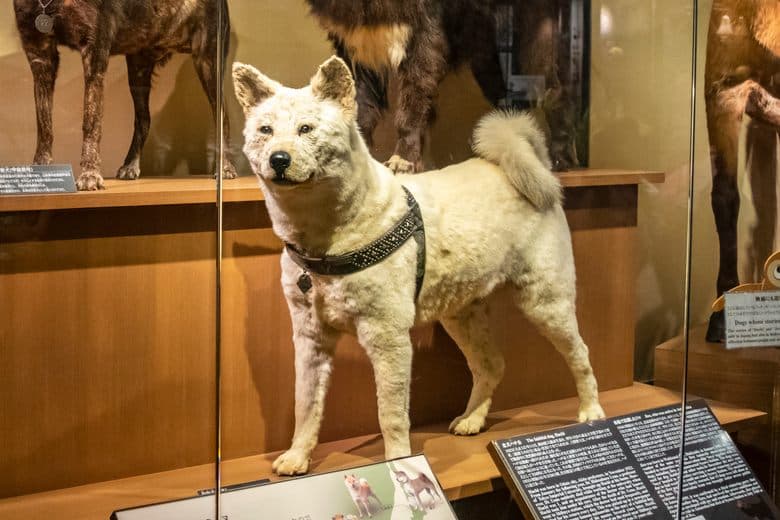
The Hachiko statue is a poignant tribute to an Akita dog renowned for his unwavering loyalty to his owner, Professor Ueno. For nearly a decade after the professor's sudden death, Hachiko continued to wait for him at Shibuya Station every day. This enduring story has made the statue a powerful symbol of fidelity and a beloved landmark in Tokyo, deeply embedded in Japanese culture and recognized worldwide.
Visitors consistently praise the statue as an essential stop when exploring Shibuya, often noting its emotional significance and its role as a convenient and well-known meeting spot. Many appreciate the opportunity for a quick photo, especially given its proximity to the iconic Shibuya Crossing. Reviewers frequently mention the statue's modest size, which can sometimes lead to it being overlooked amidst the bustling crowds. Despite its small scale, its profound story resonates deeply, making it a memorable part of their Tokyo experience.
To make the most of your visit, allocate about 10-15 minutes for photos and reflection. The best time to visit is early morning or late evening to avoid the largest crowds, although the area is always busy. Be prepared for many other tourists and locals also wanting to take pictures. There's no entry fee, and it's an outdoor attraction, so dress appropriately for the weather. Consider visiting the nearby Shibuya Crossing observation decks for a panoramic view of the area, including the statue from above.
The Hachiko statue is located directly outside the Hachiko Exit of Shibuya Station. Shibuya Station is a major transportation hub served by numerous JR lines (Yamanote, Saikyo, Shonan-Shinjuku) and Tokyo Metro lines (Ginza, Hanzomon, Fukutoshin), as well as private railway lines (Tokyu Toyoko, Den-en-toshi, Keio Inokashira). Simply follow the signs for the 'Hachiko Exit' once you arrive at Shibuya Station; it's impossible to miss. Walking from any platform within Shibuya Station to the statue typically takes only a few minutes.
A common complaint is the sheer volume of people, which can make getting a clear photo challenging. To mitigate this, try to visit during off-peak hours, such as very early in the morning or late at night. Patience is key, as you may need to wait for a gap in the crowd. Some visitors also express surprise at the statue's relatively small size compared to its fame; managing this expectation can enhance your experience.