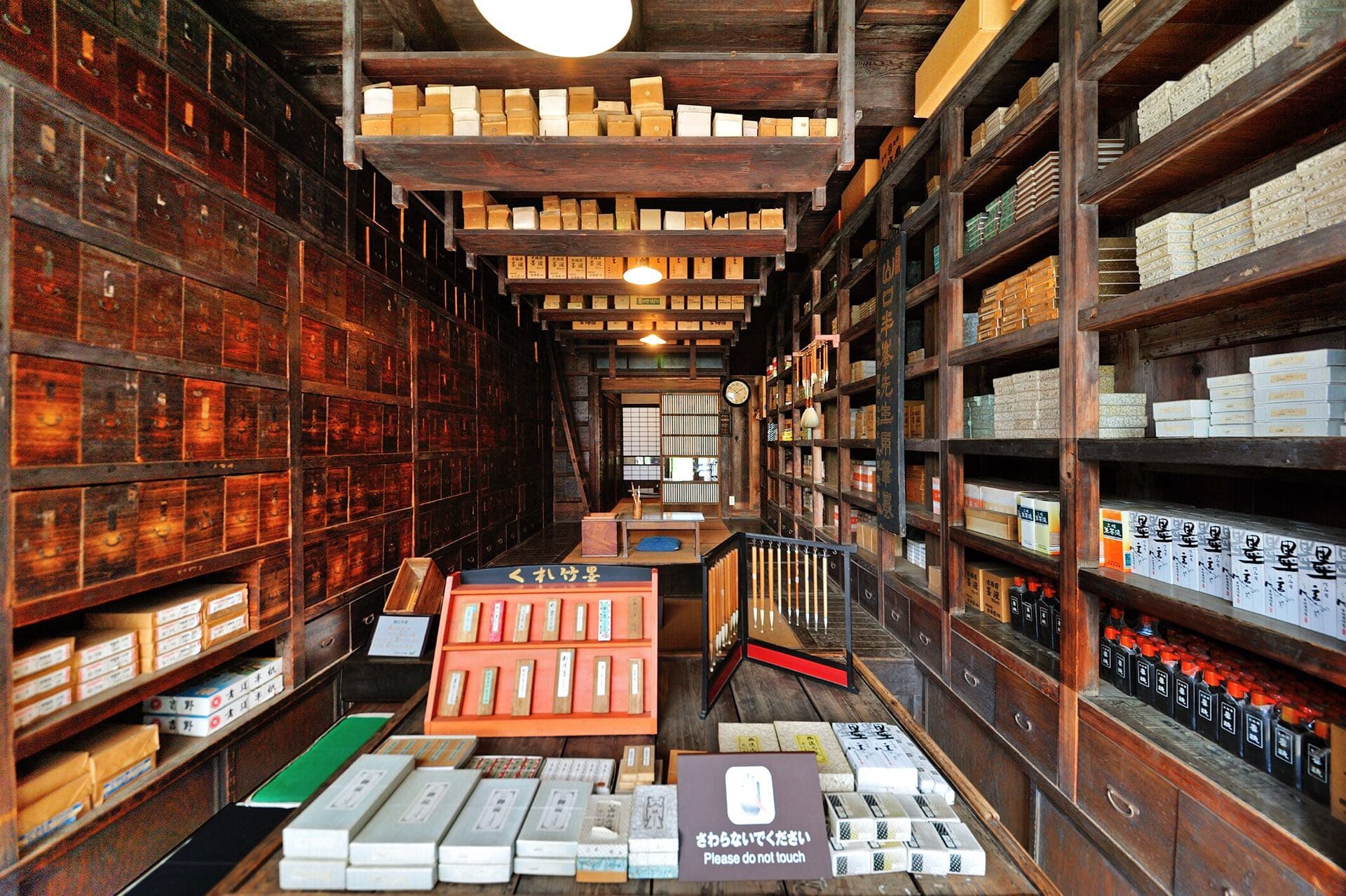
The Edo-Tokyo Open Air Architectural Museum is a unique outdoor museum dedicated to preserving and showcasing historically significant buildings from the Edo period to the early Showa era. These structures, including traditional homes, shops, and public facilities, have been relocated and meticulously restored within Koganei Park, offering visitors a tangible journey through Tokyo's architectural and cultural evolution. It serves as a vital repository of Japan's past, particularly given the frequent destruction of historical buildings due to natural disasters and urban development.
Visitors consistently praise the immersive quality of the museum, often feeling as though they have 'traveled back in time' to an old Japanese town. A recurring highlight for many is the connection to Studio Ghibli, with several buildings, particularly the bathhouse and Kamajii's room, noted as inspirations for Hayao Miyazaki's 'Spirited Away'. Reviewers appreciate the ability to enter most buildings, which are often furnished with period-appropriate items, providing a deeper understanding of daily life. The presence of friendly, knowledgeable volunteers, some of whom speak English, who explain points of interest and even offer tea in traditional settings, significantly enhances the experience. Many find the museum to be a peaceful escape from the bustling city, with fewer crowds compared to more central Tokyo attractions.
For a comfortable visit, wear shoes that are easy to remove, as it is customary to take them off when entering most buildings. Reviewers suggest allocating 2-4 hours to fully explore the museum, though some Ghibli fans or architecture enthusiasts recommend even longer. It's an excellent destination for a half-day trip, especially if combined with a visit to the nearby Ghibli Museum. Consider bringing snacks or a packed lunch, as food options within the museum are limited, though a café and noodle shop are available. Visiting on a weekday is often recommended for a more serene experience, as it tends to be less crowded.
The museum is located within Koganei Park, in the western suburbs of Tokyo. To get there, take the JR Chuo Line to Musashi-Koganei Station. From the station's north exit, you can take a 5-minute bus ride (buses from stops 2 or 3) directly to the museum entrance. Alternatively, it's a pleasant 30-minute walk from Musashi-Koganei Station, often described as a scenic stroll through the park. Another option is to take the Seibu Shinjuku Line to Hana-Koganei Station and then a 5-minute bus ride. There is also a direct bus service from Haneda Airport to Musashi-Koganei Station for those arriving or departing.
While generally highly rated, some visitors note that the museum's location is 'off the beaten path' and requires a train and bus journey, which might deter those with limited time in Tokyo. However, many agree that the journey is well worth the effort for the unique insights it provides. A few reviewers mentioned buildings being under maintenance or refurbishment, which can limit access, but this is a necessary part of preserving these historical structures.