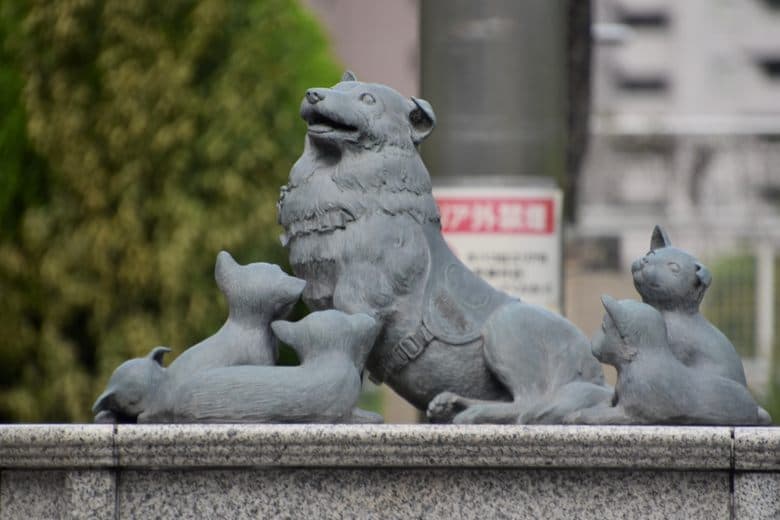
The sculpture of Chirori the Therapy Dog, located in Tsukijigawa-Ginza Park, commemorates a significant, albeit lesser-known, figure in Japanese history. While Hachikō is widely celebrated, Chirori holds the distinction of being Japan's first certified therapy dog. Her story, from abandonment to pioneering animal-assisted therapy, represents a touching narrative of resilience and the development of welfare practices in Japan.
Visitors to the park will find a lifelike bronze sculpture depicting Chirori alongside her five puppies. This artwork serves as a quiet tribute to her legacy, highlighting her role in paving the way for a new form of welfare and helping numerous people. Reviewers often describe the sculpture as moving and a pleasant surprise for those who stumble upon it, especially dog lovers who appreciate the historical significance of her work.
To fully appreciate the sculpture, visitors might spend about 15-30 minutes, allowing time to read any accompanying plaques and reflect on Chirori's story. It's best visited during daylight hours to ensure good visibility of the details. There are no specific items to bring, but a camera might be useful for those wishing to capture the sculpture. As it's an outdoor public park, there are no entry fees or specific opening hours.
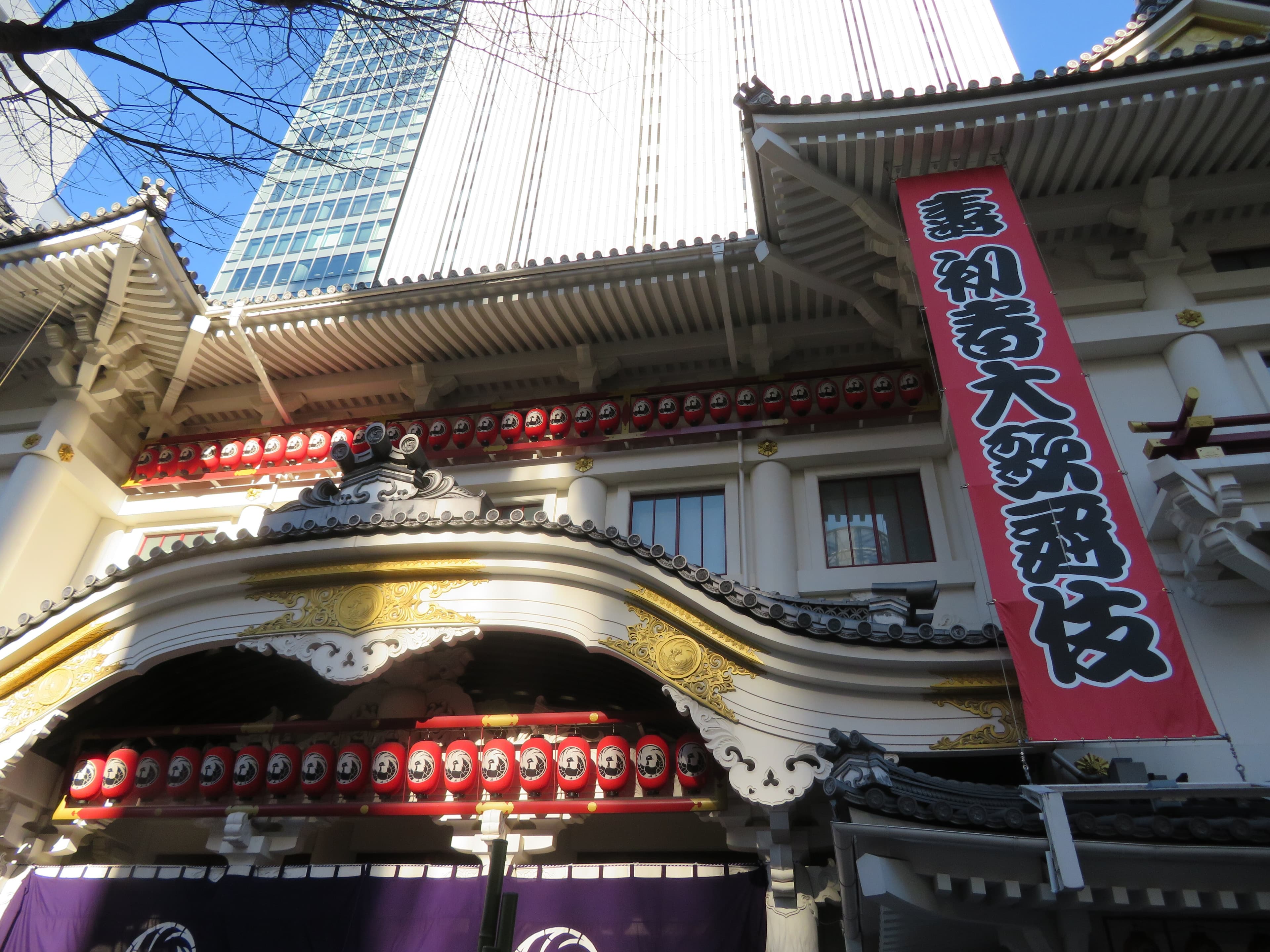
Tsukijigawa-Ginza Park is conveniently located in Tokyo. It can be found on one side of Mannen Bridge, directly across the street from the Togeki theater. Public transport is the most recommended way to reach this area. The nearest subway stations, such as Higashi-Ginza (Hibiya Line, Asakusa Line) or Tsukiji (Hibiya Line), are within a reasonable walking distance, typically 5-10 minutes. Driving is generally not recommended in central Tokyo due to limited parking and heavy traffic; public transport offers the most efficient access.
Common complaints are rare for such a minor, contemplative attraction. However, some visitors might find it underwhelming if they expect a grand monument or a major tourist hotspot. It is a small, understated tribute, and managing expectations by understanding its scale and significance as a niche historical marker will enhance the experience.