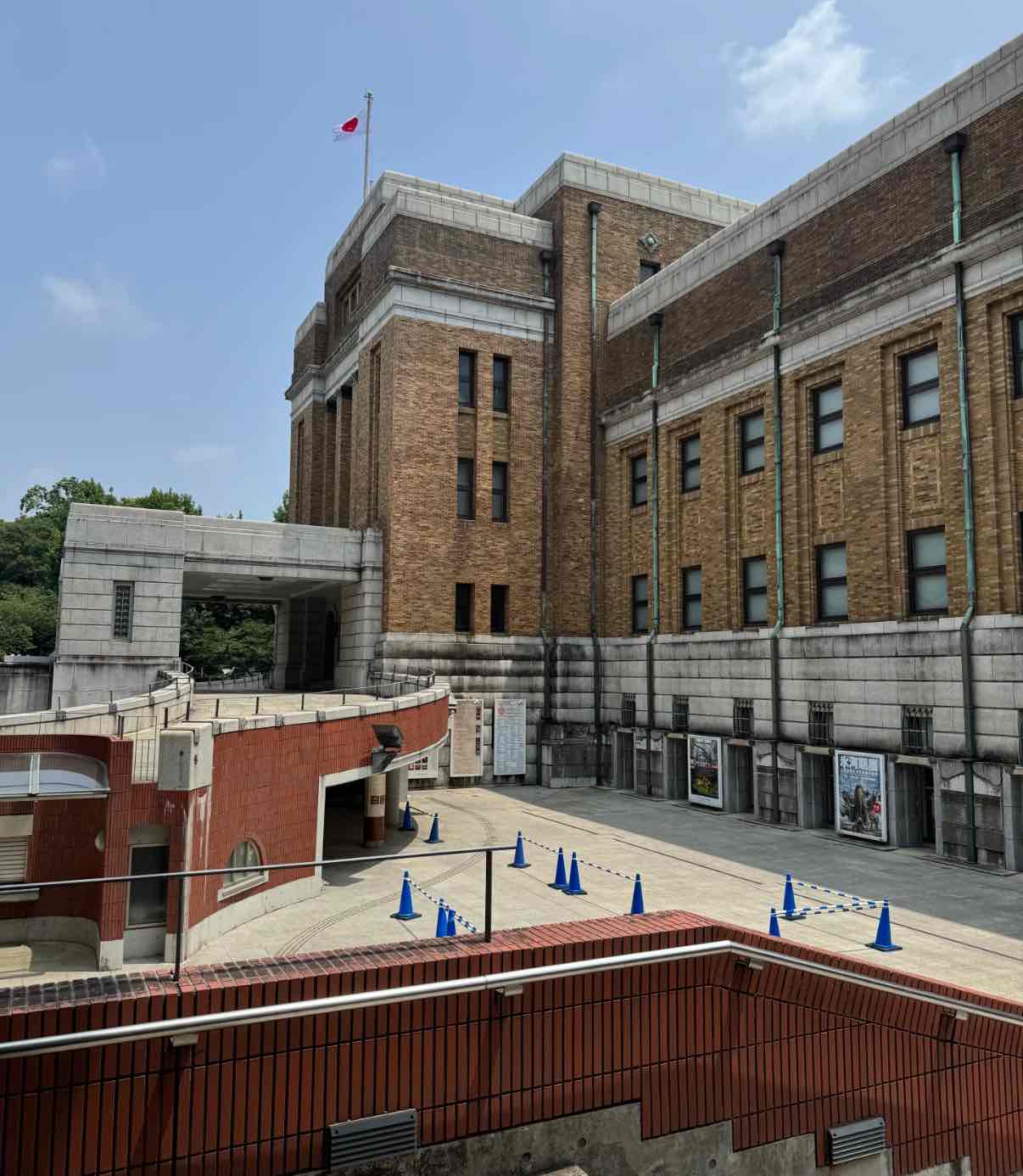
The Arima Family Plot is a small, enigmatic collection of gravestones nestled within the serene Japanese garden of the Tokyo National Museum. These gravestones belong to the Arima family, a samurai clan that once governed the Maruoka Domain. What makes their presence particularly intriguing is that they are the only remaining graves from the Kan’ei-ji Temple complex, which once occupied the site, after all other tombstones were relocated when the museum was established in 1882. The mystery of why these specific graves were left behind is unsolved, even by the museum itself, adding a layer of historical curiosity to the visit.
Visitors consistently find the plot to be a quiet, reflective spot, often stumbled upon rather than sought out specifically. Its appeal lies in its historical oddity and the peaceful atmosphere of the surrounding garden. Reviewers appreciate the sense of mystery and the opportunity to ponder an unsolved historical puzzle. There are no specific warnings, as it is a simple, unobtrusive feature of the garden.
To make the most of your visit, allocate about 10-15 minutes to locate and observe the gravestones, ideally as part of a broader exploration of the Tokyo National Museum and its Japanese garden. The best time to visit is during the museum's operating hours, particularly on a clear day when the garden is most enjoyable. There are no specific items to bring, but comfortable walking shoes are advisable for navigating the museum grounds. Since it's located within the museum's paid area, there are no additional costs.
The gravestones are easily accessible once inside the Tokyo National Museum. From the main entrance, head right and follow the path that leads to the Japanese garden. The garden is situated between the Honkan (main gallery) and the Tōyōkan (Asian gallery). The plot itself is located by a leafy path within the garden. The Tokyo National Museum is located in Ueno Park, which is well-served by public transport. The nearest stations include Ueno Station (JR lines, Ginza Line, Hibiya Line) and Keisei Ueno Station (Keisei Line), both within a 5-10 minute walk.
There are no common complaints about the Arima Family Plot itself, as it is a small, contemplative feature. Any potential dissatisfaction would likely stem from visitors expecting a larger or more prominent historical site, so it's important to approach it as a subtle historical curiosity rather than a major attraction.