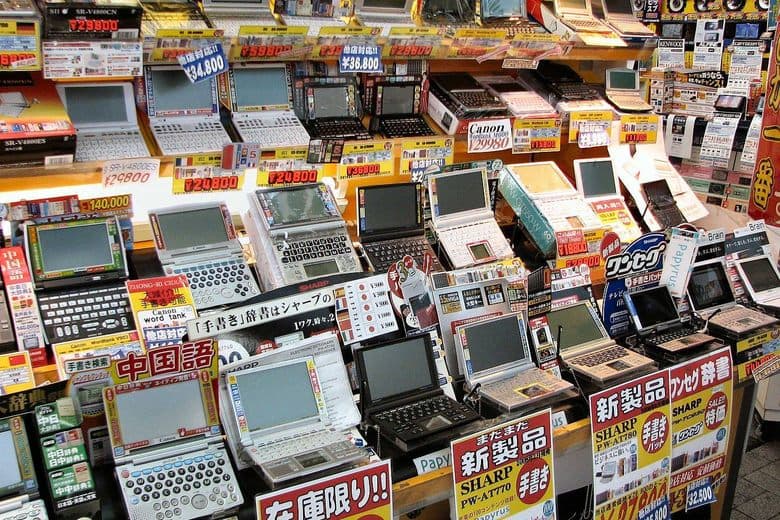
Akihabara Electric Town is a world-renowned district in Tokyo, famous for its concentration of electronics retailers, anime and manga shops, and gaming arcades. What began as a post-WWII black market for electronic components has evolved into a vibrant cultural hub, embodying the cutting edge of technology alongside the colorful world of Japanese pop culture. It's a place where the past and future of Japanese consumerism and entertainment converge, attracting enthusiasts from around the globe.
Visitors consistently praise Akihabara for its unique atmosphere and the sheer variety of goods available. Many highlight the excitement of exploring multi-story electronics stores, finding rare anime merchandise, and experiencing themed cafes like maid cafes. Reviewers often mention the district's energetic vibe, especially on Sundays when Chuo-dori street is closed to vehicles, allowing pedestrians to freely roam. However, some visitors warn that the area can be overwhelming due to the crowds and the sensory overload of neon lights and loud music. The sheer volume of shops means that it can be easy to get lost or spend more time than intended.
To make the most of a visit, it's advisable to wear comfortable shoes as you will be doing a lot of walking. Many reviewers suggest setting a budget beforehand, as the temptation to buy collectibles and gadgets is strong. Bringing a portable charger for your phone is also a good idea, as you might spend a significant amount of time navigating and taking photos. It's recommended to allocate at least 3-4 hours to explore the main streets and a few shops, but enthusiasts could easily spend a full day. For those interested in specific items, researching shop locations beforehand can save time. Consider visiting on a weekday morning to avoid the largest crowds, though the Sunday pedestrian zone offers a unique experience.
Akihabara is easily accessible by public transport. The Akihabara Station is a major hub served by several JR lines, including the Yamanote Line, Chuo-Sobu Line, and Keihin-Tohoku Line, as well as the Tsukuba Express and Tokyo Metro Hibiya Line. The neighborhood extends directly from the station, making it very convenient to reach. Simply exit the station and you will find yourself in the heart of Electric Town. Walking is the primary mode of transport within the district itself.
A common complaint among some visitors is the commercial nature of the area, with some feeling it lacks traditional Japanese charm. To mitigate this, consider exploring some of the smaller, independent shops tucked away from the main streets, or visit nearby Kanda Myojin Shrine for a touch of history and tranquility. Another point of concern can be the aggressive touting for maid cafes; politely declining is usually sufficient. Be aware that some shops specialize in adult-oriented content, which might not be suitable for all visitors.