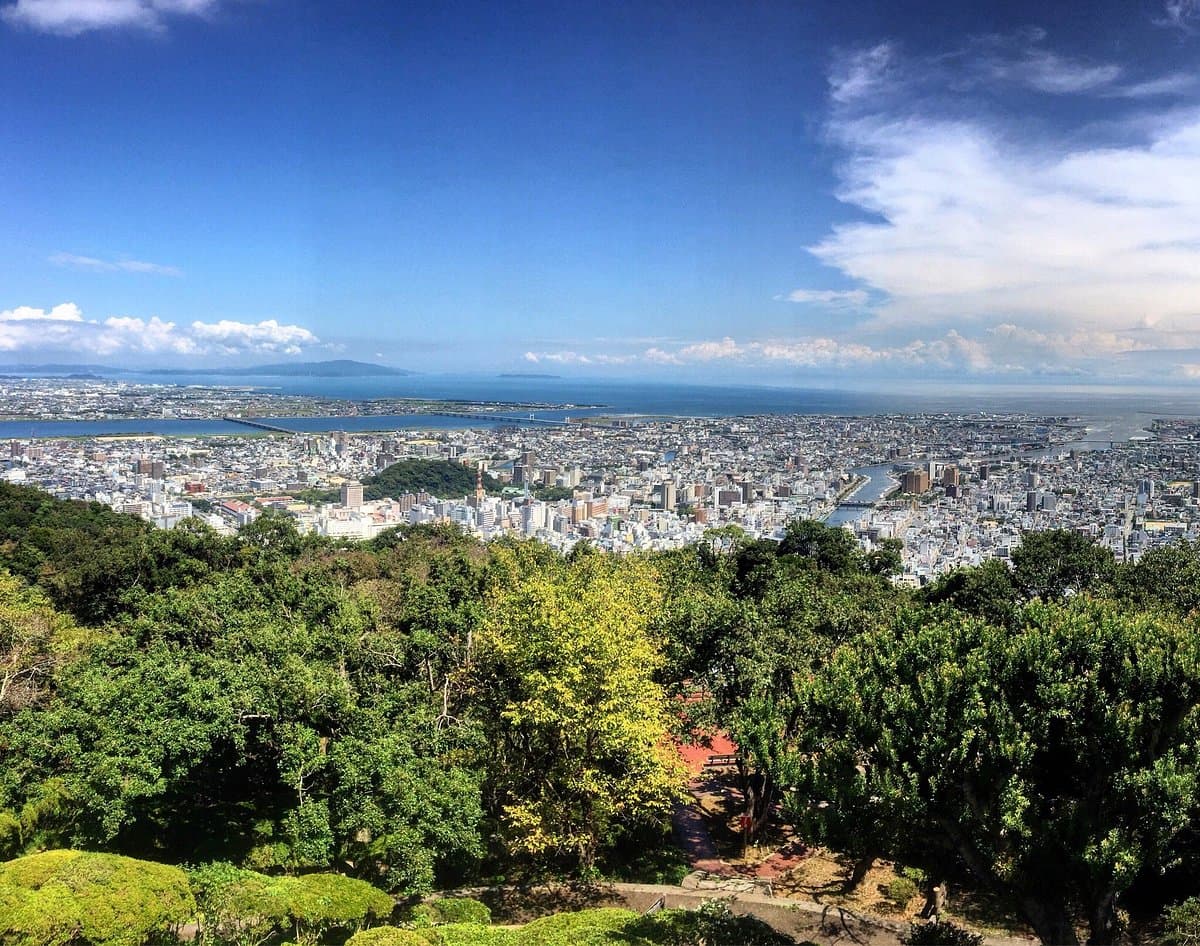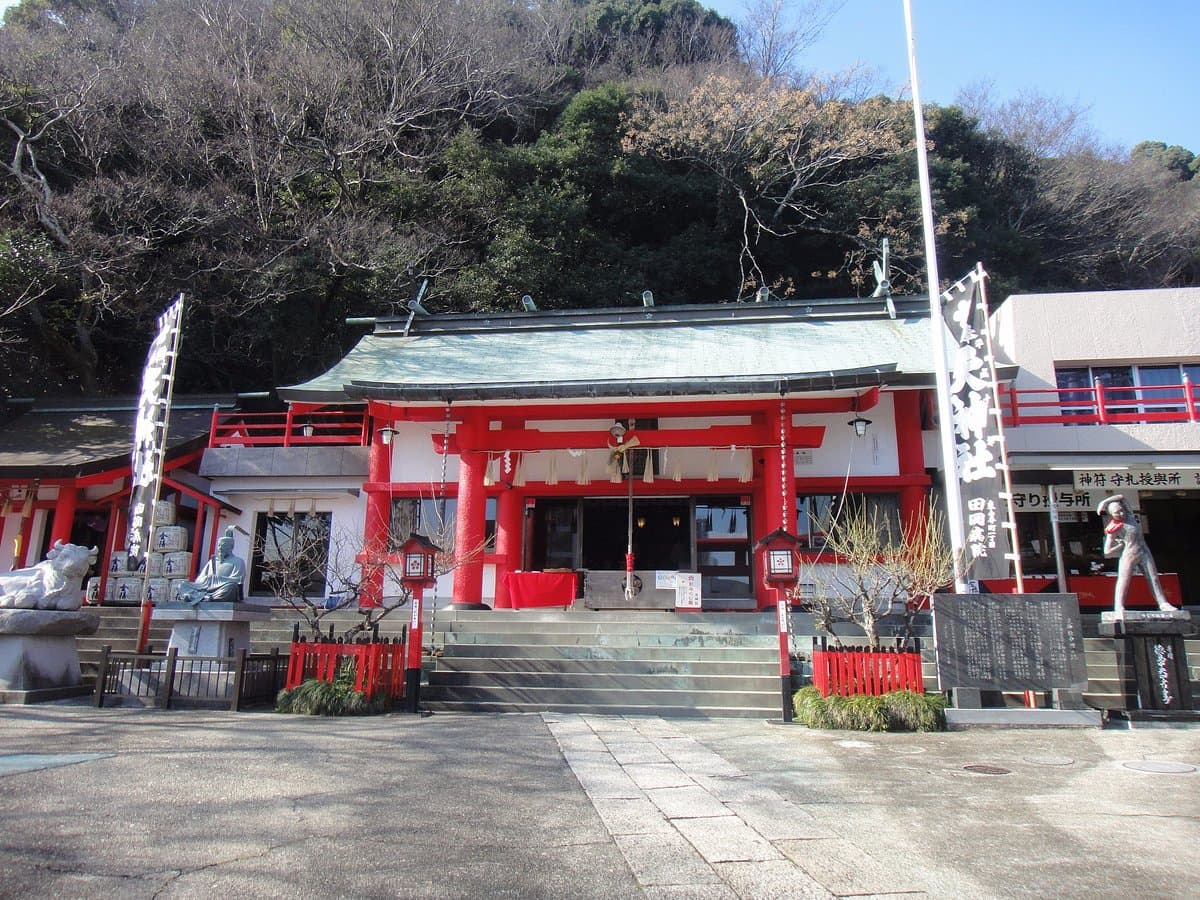
Tokushima Bizanten Shrine is a modest yet historically significant Shinto shrine located on Bizan Mountain in Tokushima. While not a major landmark, it provides a glimpse into local religious practices and offers a serene atmosphere away from the city bustle. Its primary appeal lies in its integration with the natural landscape of Bizan and its proximity to the popular Bizan Ropeway.
Visitors consistently praise the shrine's peaceful ambiance and the pleasant walk through the surrounding nature. Many appreciate the unique statues found on the grounds, particularly those depicting the seven gods of fortune, which add a distinctive cultural element. The shrine is often described as a quiet spot for reflection, providing a welcome contrast to more bustling attractions. However, some reviewers note its small size and lack of extensive features, suggesting it's more of a brief stop than a primary destination.
To make the most of your visit, allocate about 30-60 minutes. The shrine is best visited during daylight hours, especially in conjunction with the Bizan Ropeway for views. There are no specific items to bring, but comfortable walking shoes are advisable for the short ascent. There is no entry fee, making it an accessible cultural experience. Consider visiting in the late afternoon to enjoy the shrine's tranquility before heading to the ropeway for sunset views over Tokushima.
The most convenient way to reach Tokushima Bizanten Shrine is by taking the Bizan Ropeway. The shrine is located near the upper station of the ropeway, making it an easy addition to a trip up Bizan Mountain. The Bizan Ropeway station is accessible from Tokushima Station via a short bus ride or a walk. For those driving, parking is available near the ropeway's base station, and the shrine is then reached via the ropeway or a walk up the mountain paths.
A common complaint among visitors is the shrine's relatively small size and the limited amount of information available in English. To mitigate this, consider researching the shrine's history and significance beforehand. While it may not offer grand architecture, its charm lies in its quiet simplicity and the cultural context it provides within the Bizan area.