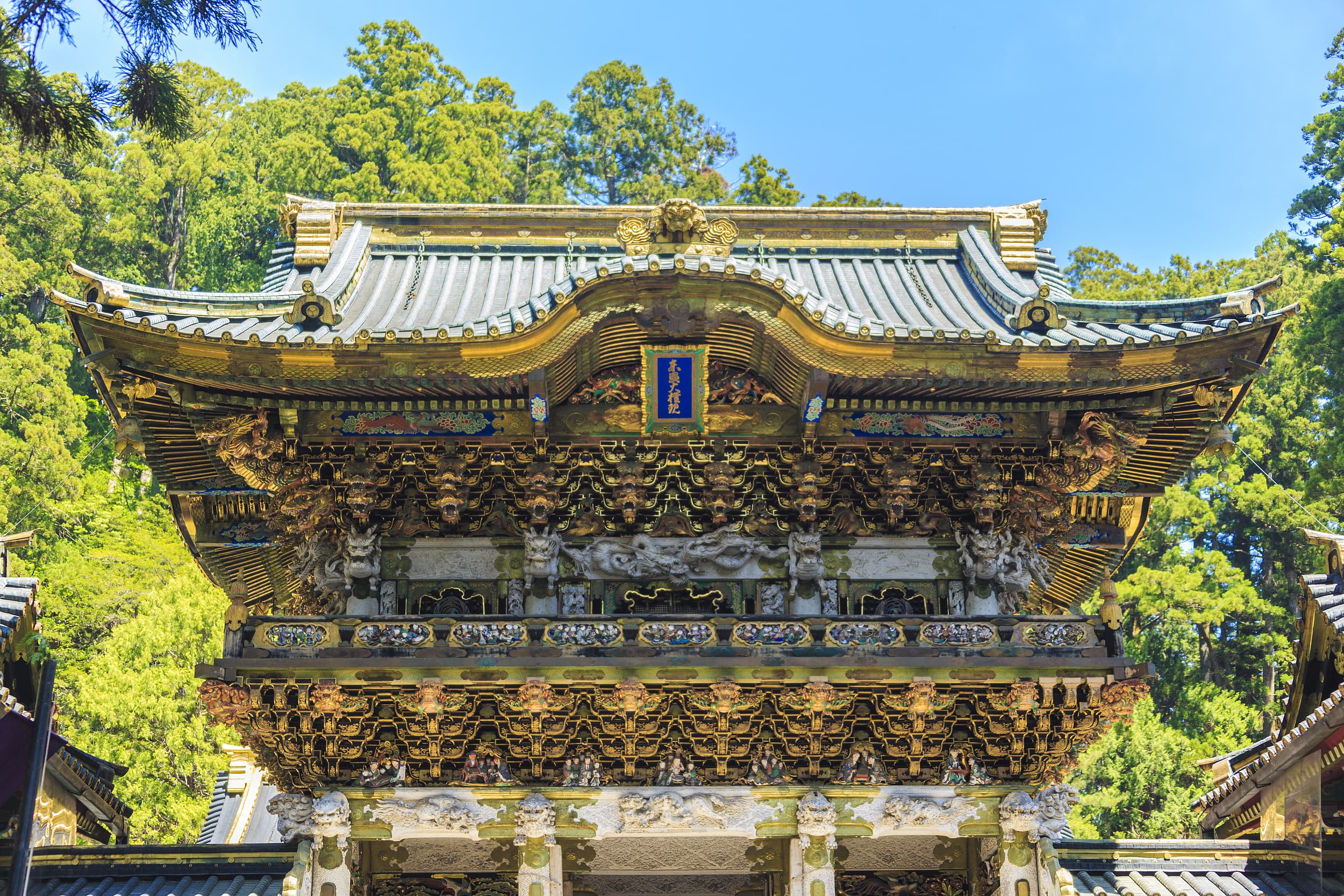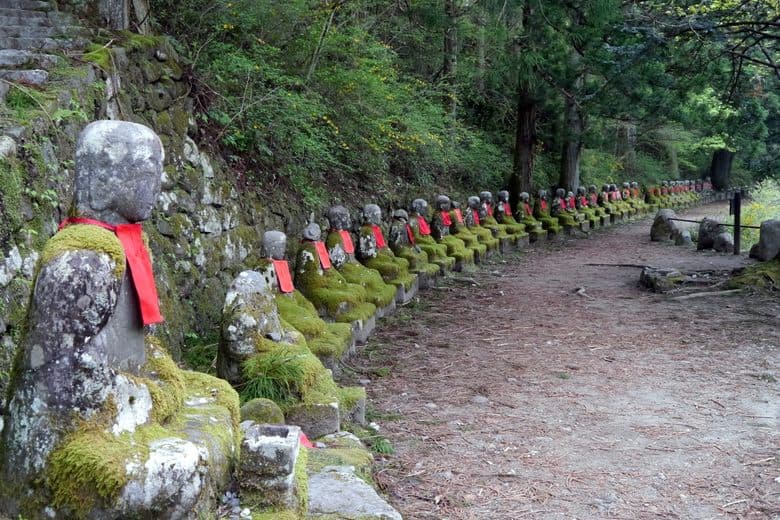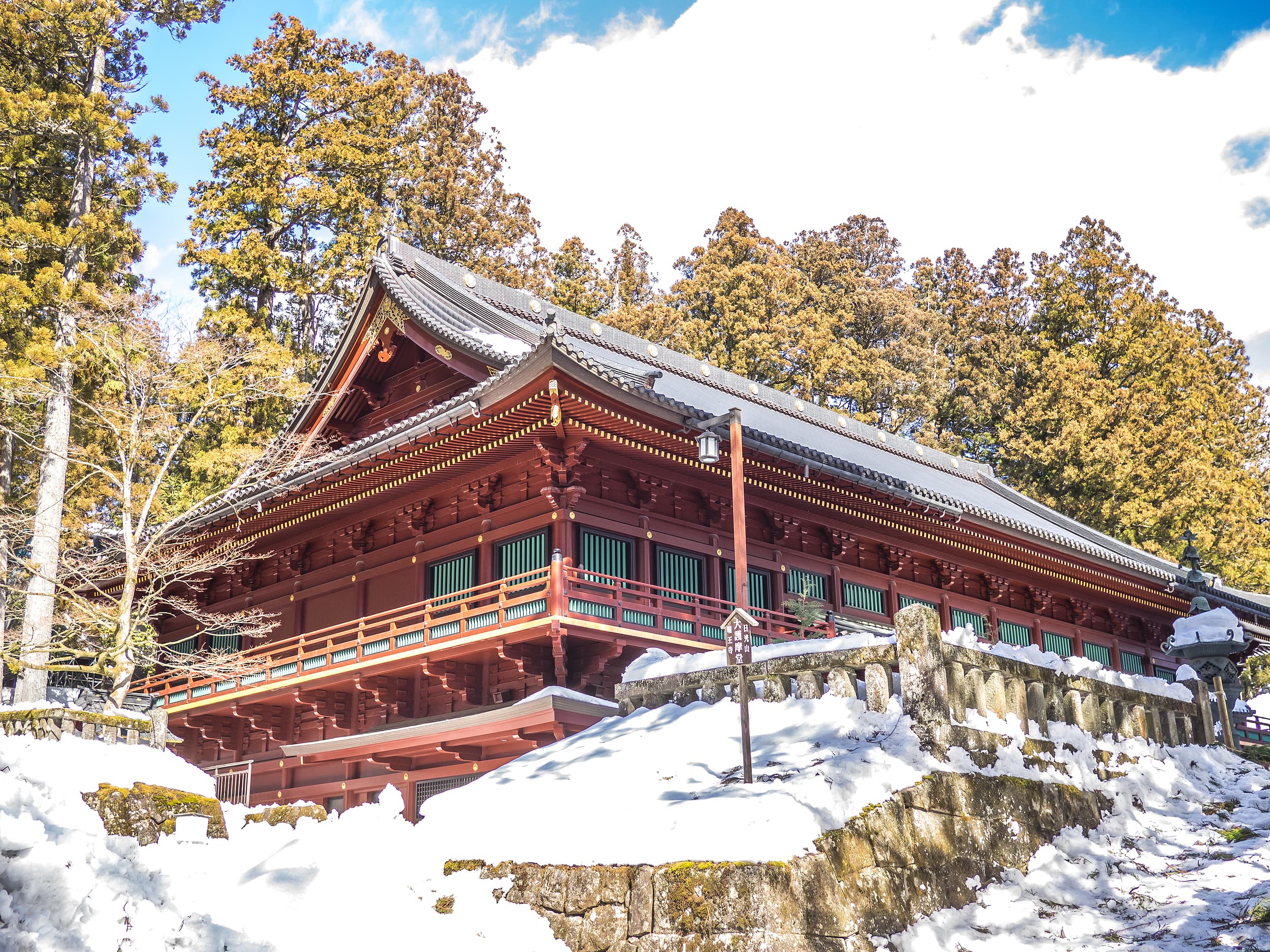
Nikkozan Rinnoji Temple is a pivotal Buddhist temple in Nikko, founded in the 8th century by the monk Shodo Shonin, who introduced Buddhism to the region. It serves as the head temple of the Tendai sect in Nikko and is an integral part of the "Shrines and Temples of Nikko" UNESCO World Heritage site. Its main hall, the Three Buddha Hall, houses large gilded statues of Amitabha, Avalokitesvara, and Horse-headed Avalokitesvara, representing the deities of Nikko Sanzan in Buddhist form.
Visitors frequently highlight the temple's historical significance and its connection to the broader Nikko complex, often visiting it alongside Toshogu Shrine and Futarasan Shrine. Many are impressed by the sheer scale and intricate construction of the buildings, particularly the Three Buddha Hall. The temple's gardens, especially the Happy Garden, receive praise for their beauty, with several reviewers noting their particular charm during the autumn foliage season when the trees display vibrant crimson and golden hues. The overall atmosphere is often described as serene and deeply historical, offering a sense of piety and cultural immersion.
To make the most of your visit, allocate approximately 1 to 2 hours. Many visitors suggest combining Rinnoji Temple with a visit to the adjacent Nikko Toshogu Shrine, as they are part of the same historical complex. Consider visiting in the autumn for the stunning foliage, but be prepared for larger crowds during this peak season. While the entrance fee is noted by some as being somewhat high, most feel it is justified by the experience. Bringing comfortable walking shoes is advisable, as exploring the grounds involves some walking and stone steps.
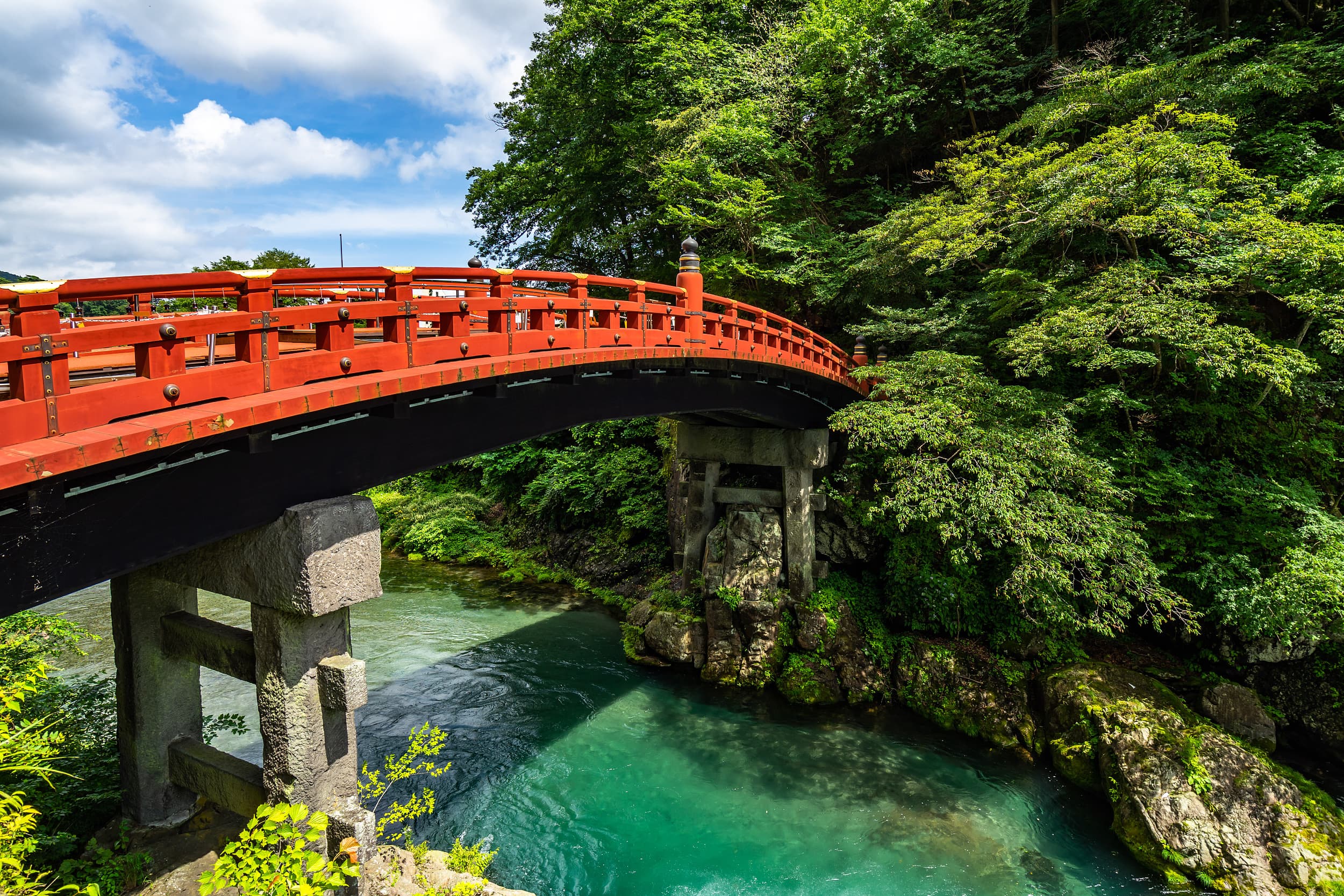
Rinnoji Temple is conveniently located within the Nikko World Heritage area. From Nikko Station or Tobu Nikko Station, you can take the World Heritage Tour Bus, which stops directly at Rinnoji Temple. The bus ride typically takes about 15 minutes. Alternatively, it is the first temple encountered when ascending the stone steps from the Shinkyo Bridge, making it easily accessible on foot if you start your exploration from there. The temple is adjacent to Nikko Toshogu Shrine, simplifying navigation within the complex.
A common complaint among visitors, particularly during peak seasons like autumn, is the significant crowding. To mitigate this, consider arriving early in the morning, shortly after opening, or visiting on a weekday if possible. Some reviewers also mentioned issues with digital tickets not being recognized on-site; it is advisable to have a backup or consider purchasing tickets directly at the temple for a smoother entry process.