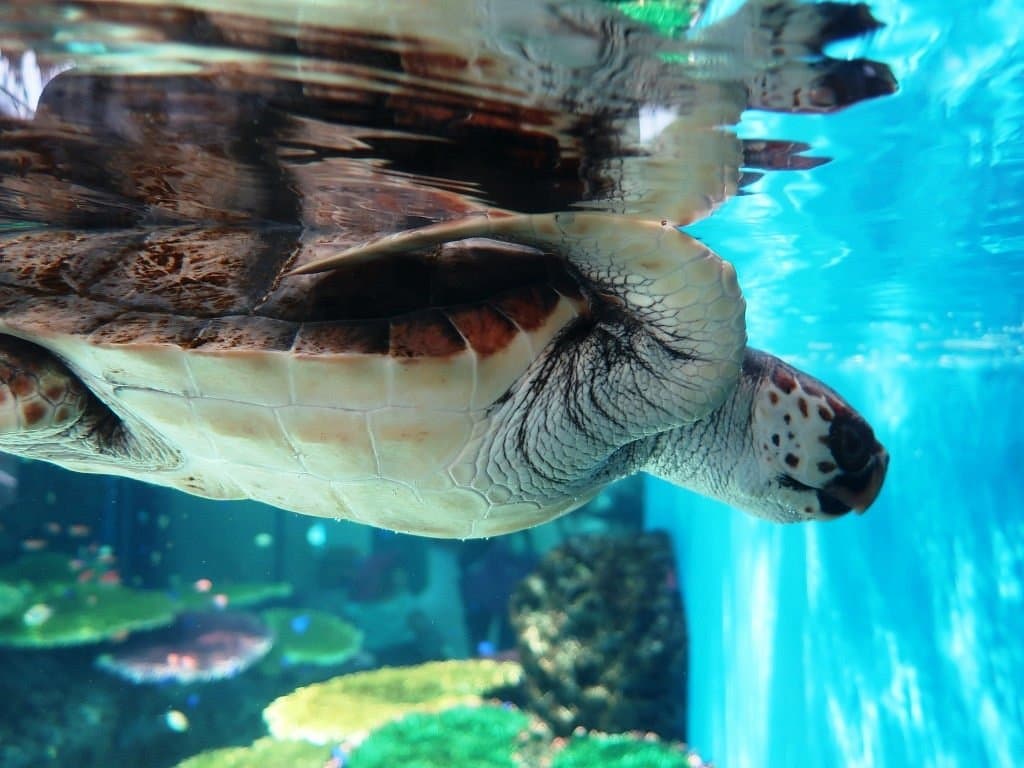
Nakagawa Aquatic Park, situated on a vast site along the Naka River in Otawara City, Tochigi Prefecture, serves as a local aquatic education and recreation center. It is particularly noted for its focus on freshwater ecosystems and local aquatic life, offering a more intimate experience compared to large-scale marine aquariums.
Visitors consistently praise the park as a great place for families, especially those with young children. Reviewers highlight its affordability and the presence of engaging attractions specifically designed for kids. While some acknowledge that it may not compare to much larger aquariums globally, the park is appreciated for its pleasant atmosphere and the value it offers for a family outing. The exhibits are generally well-maintained and provide an educational experience about aquatic environments.
To make the most of a visit, plan to spend approximately 2-3 hours exploring the park. It is advisable to check the operating hours for both the park and the Fun Fish Museum (Aquarium) as they differ slightly. Bringing snacks and drinks for children might be beneficial, though facilities are available on-site. The park is generally not crowded, allowing for a relaxed pace. It is a good idea to visit on a weekday to avoid any potential weekend crowds.
The park is located at 2686 Sarado, Otawara, Tochigi Prefecture. Specific public transport details are not widely mentioned in reviews, suggesting that driving might be the most convenient option for many visitors. If traveling by car, ample parking is likely available given its location on a vast site. Visitors should confirm the best route and transport options based on their starting point in Tochigi Prefecture.
A common sentiment among visitors is that while it is a nice aquarium, those who have visited much larger, world-renowned aquariums might find it less impressive. To mitigate this, adjust expectations; approach Nakagawa Aquatic Park as a local, family-oriented attraction rather than a grand, international-scale facility. Its charm lies in its accessibility and focus on local aquatic life.