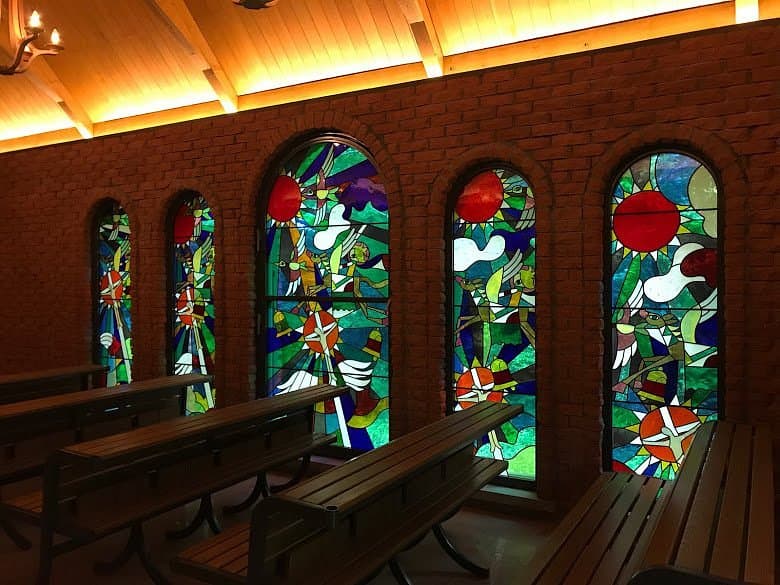
The Fujishiro Seiji Museum is dedicated to the works of Seiji Fujishiro, a renowned Japanese artist celebrated for his distinctive shadow art. This museum offers a unique opportunity to explore the evolution of his craft, from early pieces to elaborate, large-scale installations. It stands as a significant cultural highlight in the Nasu region, providing insight into a unique artistic medium.
Visitors frequently praise the museum for its beautiful grounds and the captivating nature of Fujishiro's artwork. Many describe the experience as surprisingly moving and expressive, with the final rooms often highlighted for their breathtaking installations. Reviewers note that even those unfamiliar with the artist's name often recognize his impressive shadow puppets, indicating his widespread influence. The serene, quiet woods surrounding the museum also contribute to the overall immersive atmosphere, enhancing the appreciation of the fantastical images within.
While photography is generally not permitted inside the exhibition areas, this encourages visitors to fully immerse themselves in the art without distraction. Several visitors recommend allocating sufficient time to fully appreciate the intricate details of each piece. Although the museum focuses on a single artist, the variety of effects achieved within his style ensures a diverse viewing experience. It is advisable to check the museum's official website for the most current information on opening hours and any special exhibitions.
The museum is located at 203 Yumoto, Nasu-machi, Tochigi Prefecture. Given its location in a more rural area, access is typically by car. Public transportation options to Nasu-machi are available, but reaching the museum itself from local stations might require a taxi or local bus service, which may be infrequent. Visitors planning to use public transport should research local bus schedules in advance or consider a taxi from the nearest train station, such as Nasushiobara Station.
A common point raised by visitors is the admission fee, which some consider high for a museum dedicated to a single artist. However, most conclude that the experience justifies the cost, finding the art deeply touching and the visit worthwhile. Another minor complaint is that explanations are primarily in Japanese, which might pose a challenge for international visitors. While this does not detract from the visual impact of the art, those who prefer detailed textual explanations in English may find this aspect limiting.