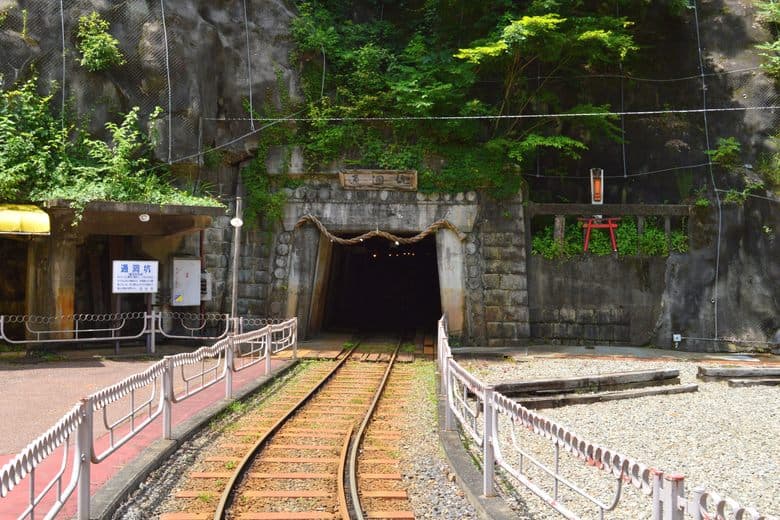
The Ashio Copper Mine holds a pivotal place in Japanese history, not only as a major industrial powerhouse that supplied copper for iconic structures like Nikkō Tōshōgū Shrine and Zōjō-ji Temple, but also as the site of the nation's first significant environmental disaster. Originally discovered in 1550, the mine's extensive operations in the late 19th century led to severe pollution, sparking Japan's nascent environmental movement and leaving a complex legacy that is still studied today.
Visitors consistently praise the unique experience of riding a trolley deep into the mine tunnels, which offers an authentic glimpse into the harsh conditions faced by miners. The museum at the exit is frequently highlighted for its detailed exhibits, including a miniature recreation of the minting process and a collection of world coins, providing valuable historical context. Reviewers often find the historical narrative compelling, particularly the story of the environmental movement born from the mine's pollution. However, some visitors note that the English explanations can be limited, suggesting that a guided tour or prior research might enhance the experience for non-Japanese speakers.
To make the most of your visit, allocate at least 2-3 hours to explore the mine and museum thoroughly. It's advisable to wear comfortable shoes as there is some walking involved, and a light jacket might be useful as the mine tunnels can be cool even in summer. Consider visiting in the morning to avoid potential crowds, especially on weekends. While the mine itself is the main attraction, the surrounding town of Ashio also has historical significance, with sites like the Furukawa-Ashio History Museum and the coin-shaped monument marking the former mint location, which can be explored on foot if time permits.
The Ashio Copper Mine is accessible via public transport. The nearest train station is Tsūdō Station. From Nikkō Station, visitors can take a bus directly to the Copper Mine. Buses depart at specific times (e.g., 7:22 AM, 9:35 AM, 1:00 PM) and the journey takes approximately an hour, costing around 1,200 yen. It's recommended to check the latest bus schedules in advance as they may vary. Driving is also an option, and parking is generally available on-site.
A common complaint among visitors is the limited availability of English information, particularly within the mine tunnels. To mitigate this, consider downloading a translation app or doing some preliminary research on the mine's history before your visit. While the environmental disaster aspect is well-documented, some visitors might find the depiction of the POW slave labor during WWII less prominent, which is an important part of its dark history commemorated by cenotaphs near the mountain.