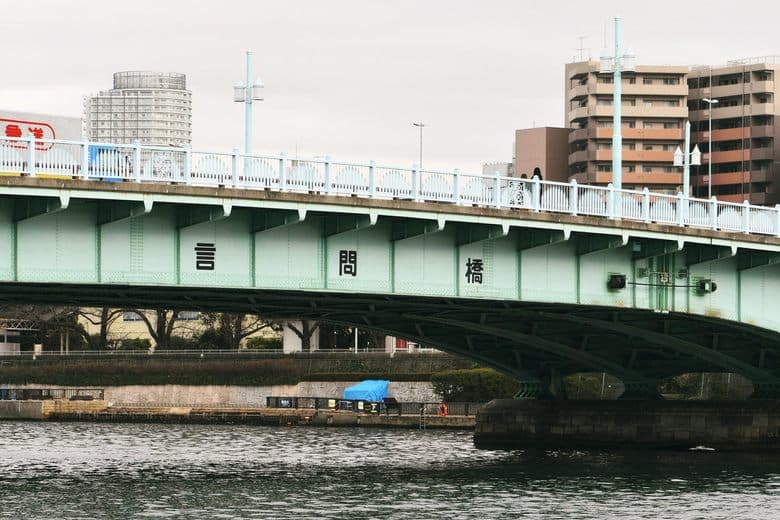
The Kototoi Bridge, or Kototoibashi, is a cantilever bridge spanning the Sumida River in Tokyo, connecting the popular Asakusa district with Mukojima. Completed in 1928 on the site of an Edo-period ferry crossing, its modern structure belies a profoundly tragic history. It stands as a silent memorial to one of the most devastating events of the 1945 Tokyo firebombing, where thousands of civilians perished in a desperate attempt to escape the inferno.
Visitors often find the bridge a somber yet compelling site, offering a stark contrast to the vibrant energy of nearby Asakusa. The historical significance is its primary draw, prompting reflection on the human cost of war. Reviewers frequently mention the subtle, almost hidden, reminders of the past, such as blackened spots on the newel stones, which serve as a brutal testament to the events of March 10, 1945. This understated approach to memorialization is often praised for its powerful impact.
For those interested in history, particularly World War II and its impact on Tokyo, a visit to Kototoi Bridge is recommended. It's best to approach this site with a contemplative mindset. Consider bringing a guidebook or researching its history beforehand to fully appreciate its significance, as there are no extensive on-site interpretive displays. A visit of 30-60 minutes is usually sufficient to walk across, observe the river, and reflect. The bridge is always accessible, making it suitable for a visit at any time of day, though a quieter morning or late afternoon might enhance the reflective experience.
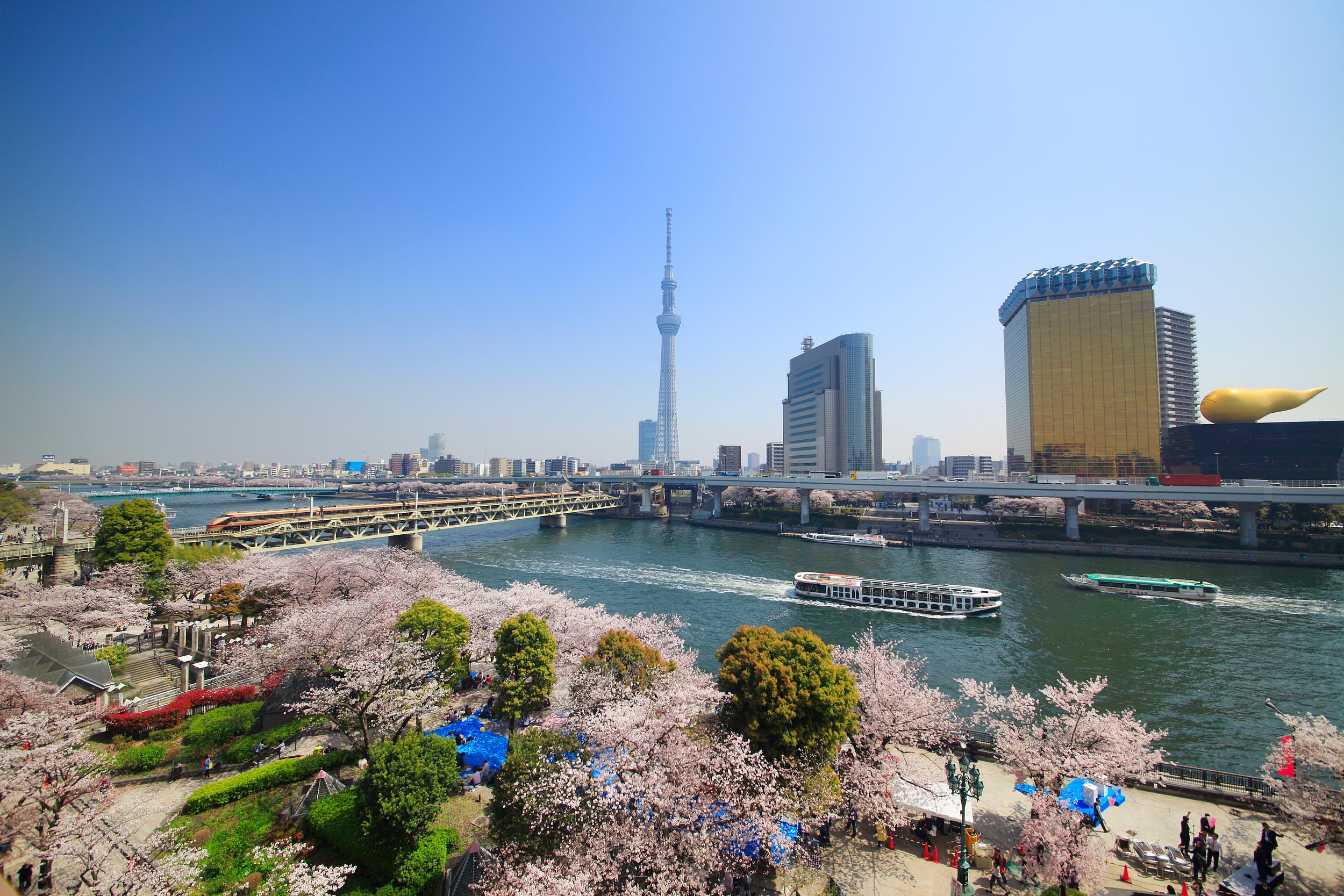
The Kototoi Bridge is easily accessible from Asakusa. From Asakusa Station (served by the Tokyo Metro Ginza Line, Toei Asakusa Line, and Tobu Skytree Line), it's a short and pleasant walk along the Sumida River. Many visitors combine a trip to the bridge with other attractions in Asakusa, such as Senso-ji Temple or the Tokyo Skytree, which is visible from the bridge. Public transport is highly efficient in Tokyo, and walking from the station is the most common and convenient way to reach the bridge.
A common observation from visitors is the lack of overt signage or memorials directly on the bridge itself, which can lead some to overlook its profound history. To mitigate this, it's advisable to read about the bridge's past before your visit. While the bridge is a functional part of the city's infrastructure, its historical weight is best understood through prior knowledge, allowing for a more meaningful and impactful experience.