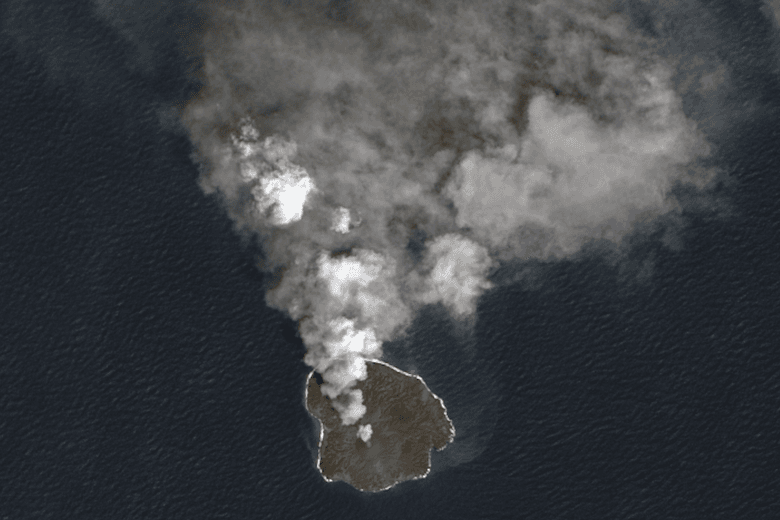
Nishinoshima is a remarkable volcanic island located in the Pacific Ocean, southeast of Tokyo. It is significant not as a tourist attraction, but as a living laboratory of geological processes. The island has undergone dramatic transformations over the past decades, with underwater volcanic eruptions repeatedly creating new land that merges with and expands the existing island. This continuous growth makes Nishinoshima a unique and dynamic natural wonder, offering scientists invaluable insights into island formation and volcanic activity.
Visitors should understand that Nishinoshima is not accessible to the public. Its remote location and active volcanic nature mean there are no facilities, transportation, or safe viewing points for tourists. Any appreciation of Nishinoshima must come from a distance, typically through scientific expeditions, aerial observations, or media coverage. The island's primary value is its scientific importance, not its recreational potential.
Given its inaccessibility, there is no practical advice for visiting Nishinoshima. There are no entry fees, opening hours, or recommended times to visit. Attempts to approach the island without proper authorization and scientific support would be dangerous and are strictly prohibited. For those interested in its geological story, documentaries and scientific articles provide the best and safest way to experience this ever-changing landmass.
Reaching the vicinity of Nishinoshima is only possible via specialized marine vessels or aircraft, typically for scientific research purposes. There are no public transport options, and private travel to the island is not permitted. The island is situated approximately 940 kilometers (584 miles) south of Tokyo, making it extremely remote.
The main 'complaint' or challenge regarding Nishinoshima is its complete inaccessibility for general tourism. This is a necessary restriction due to its active volcanic state and the need to protect its pristine geological environment. There is no way to mitigate this, as the island is simply not designed or intended for public visitation.