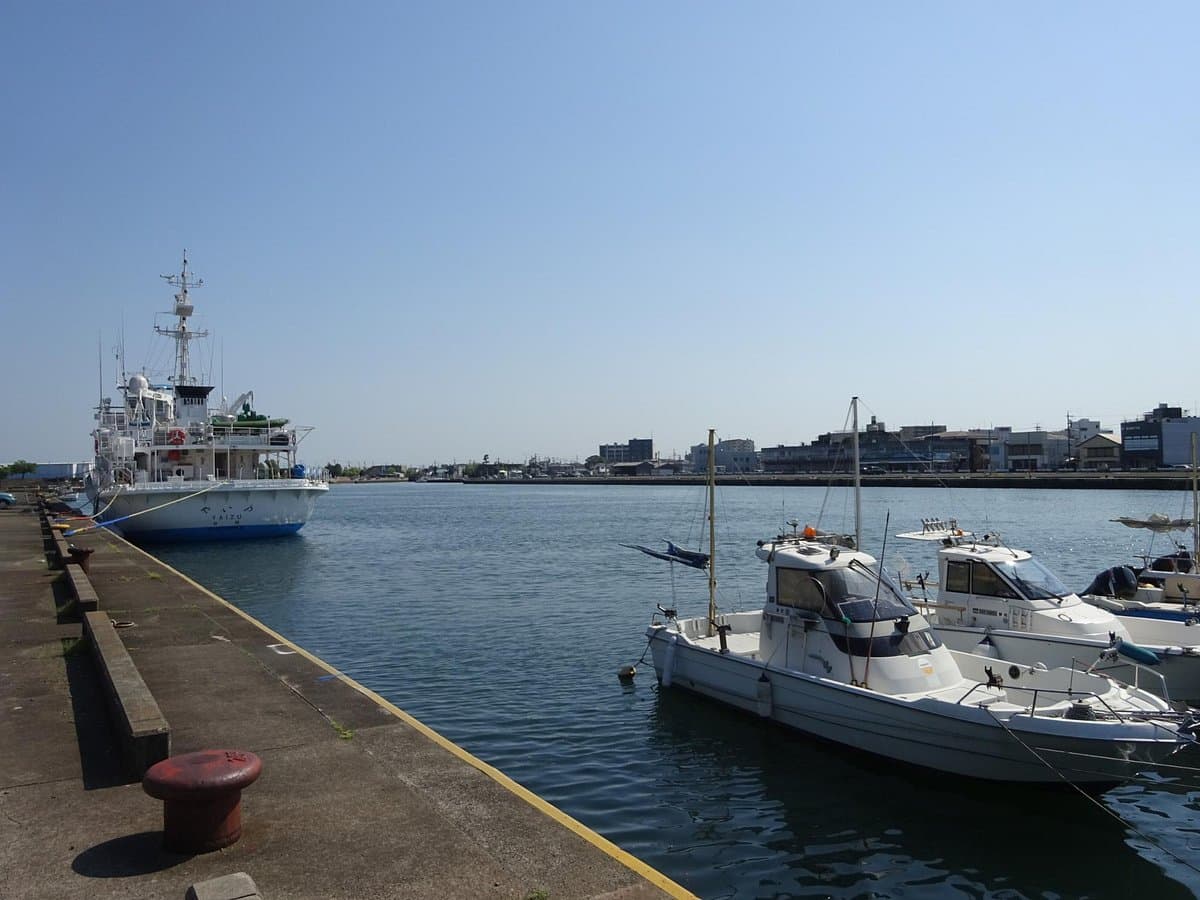
Yaizu Gyoko, or Yaizu Fishing Port, is a significant hub for Japan's fishing industry, particularly famous for its tuna and bonito. It serves as a vital economic center for the region, with large fishing vessels regularly docking and unloading their catches. For visitors, it offers a glimpse into the daily operations of a working port and the opportunity to experience the local seafood culture firsthand.
Visitors consistently praise the port for its authentic atmosphere and the abundance of fresh seafood. Reviewers often highlight the presence of numerous sushi restaurants and shops in the vicinity, where one can enjoy high-quality, freshly caught fish. The area is also noted by some as a pleasant place for a walk, offering views of the boats and the sea, even on cloudy days. The convenience of having dining and shopping options directly around the port is a recurring positive theme.
To make the most of a visit, consider going during the morning hours when fishing boats are most active and the seafood markets are bustling. While there's no specific entry fee, budgeting for a meal at one of the local sushi restaurants is highly recommended to fully appreciate the port's offerings. A visit of 1-2 hours is usually sufficient to explore the port area and perhaps enjoy a meal. Bringing comfortable walking shoes is advisable, as the area is best explored on foot.
The port is accessible by car, with reviewers mentioning getting off at Yaizu IC on the Tomei Expressway and heading directly to Yaizu Port. While specific public transport details are not frequently mentioned in reviews, its central location in Yaizu suggests local bus services might connect to the area. For those driving, the convenience of reaching the port and the surrounding amenities is a clear advantage.
Common complaints are not widely reported, but visitors should manage expectations regarding the port's primary function. It is a working industrial site, not a manicured tourist attraction. Therefore, expect the sights, sounds, and smells associated with a busy fishing port. The experience is more about authenticity and local life than scenic beauty or curated exhibits.