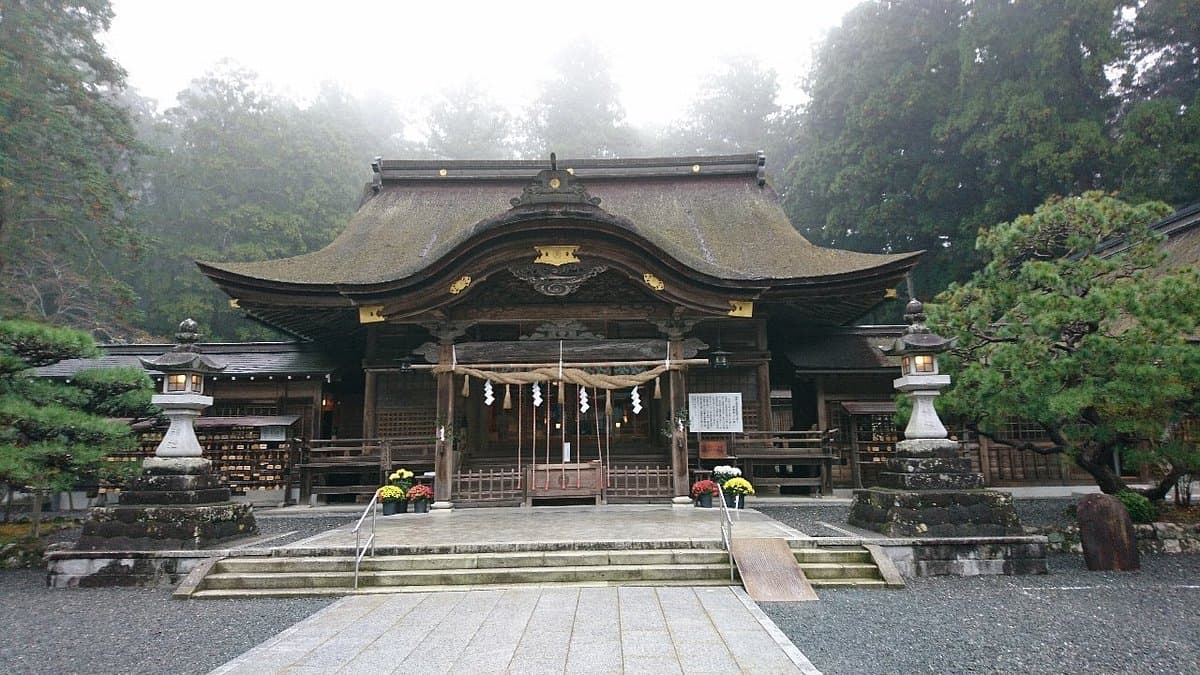
Okuni Jinja Shrine, also known as Totomi Kuni Ichinomiya Oguni Shrine, holds significant historical and spiritual importance as the primary shrine of the Enshu area in western Shizuoka. Dedicated to Okuninushi, it serves as a vital center for Shinto worship and offers visitors a profound connection to Japan's ancient religious traditions and architectural heritage, with its cypress bark roofed main building rebuilt during the Meiji era.
Visitors consistently praise the shrine for its peaceful and holy atmosphere, often describing a sense of calm and relief upon entering the grounds. The approach to the main buildings, lined with numerous cedar trees, is frequently highlighted as contributing to this serene experience. Many appreciate the opportunity to learn about Japanese culture and values through their visit, especially during traditional events like Hatsumode (first shrine visit of the New Year), which draws a considerable crowd even in late January.
To make the most of your visit, allocate approximately 1-2 hours to explore the shrine grounds at a relaxed pace. While there's no specific 'best' time of day mentioned, arriving earlier in the morning might offer a more tranquil experience before larger crowds gather, especially during weekends or holidays. Reviewers suggest purchasing amulets as souvenirs, and those interested in traditional Japanese songs might enjoy seeking out the monument related to the 1908 Ministry of Education song about Daikoku-sama.
The shrine is conveniently accessible by car, located about a 7-minute drive from the Enshu Morimachi Smart IC on the expressway. A large parking lot, capable of accommodating around 900 cars, is available for worshippers, making it easy for those traveling by private vehicle. While public transport options are not explicitly detailed in reviews, the emphasis on car access suggests it's the most straightforward method for reaching the shrine.
No significant complaints are consistently raised by visitors. However, as with any popular site, expect larger crowds during major holidays or festivals. To mitigate this, consider visiting on a weekday or during off-peak seasons for a more contemplative experience.