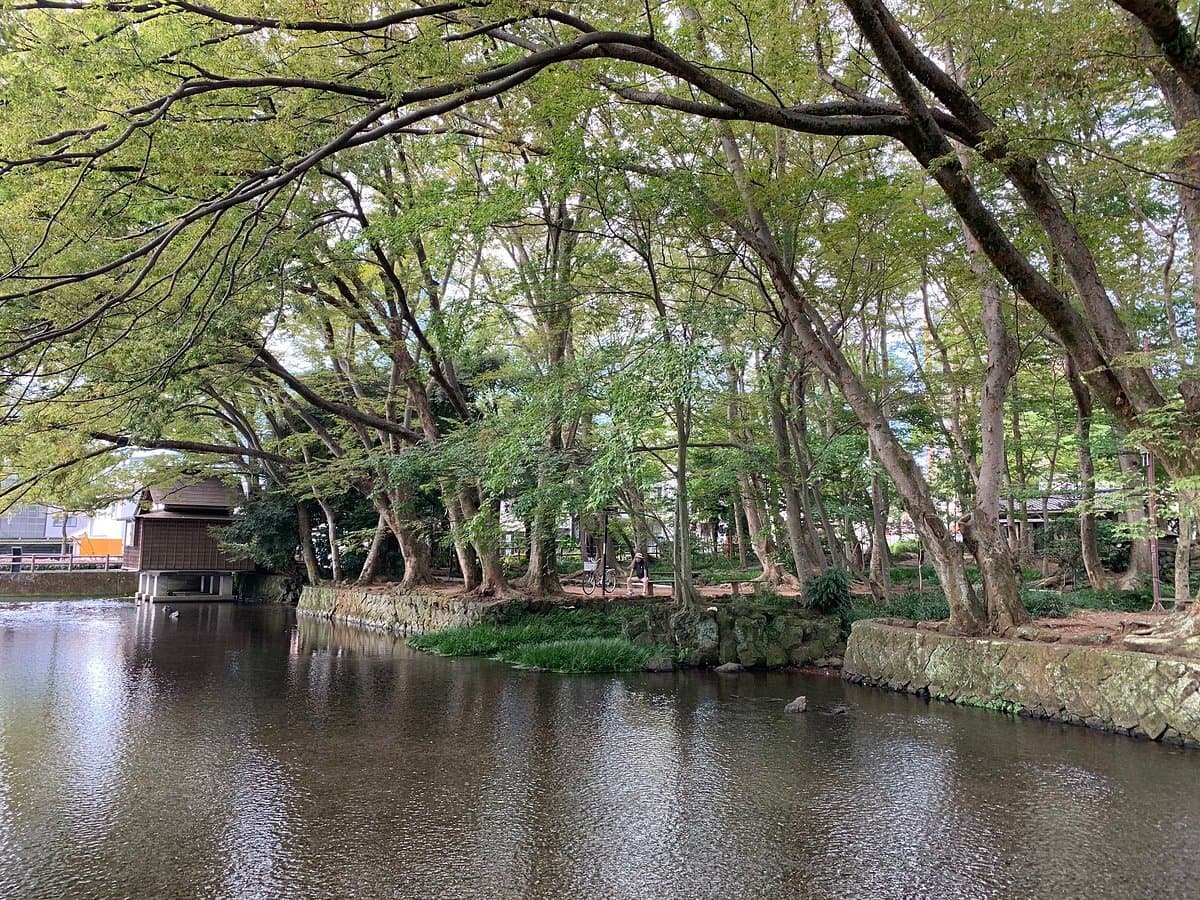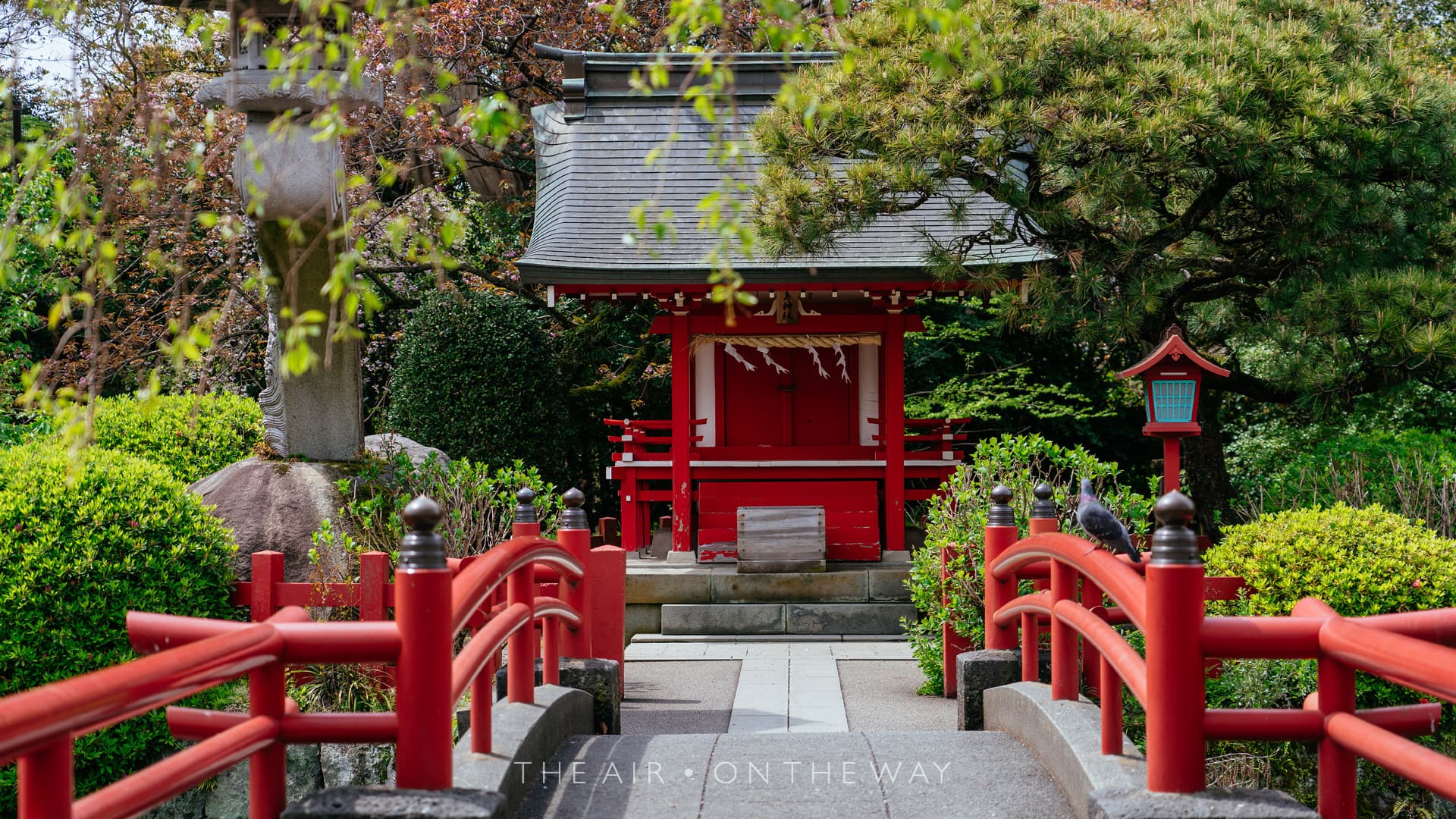
Mishima Taisha is a prominent Shinto shrine in Mishima City, Shizuoka Prefecture, holding over a millennium of history. It is particularly significant as the place where Minamoto no Yoritomo prayed for success before establishing the Kamakura Shogunate. As one of the largest shrines on the Izu Peninsula, it features a complete architectural complex, including a grand torii gate, sacred ponds, a dance hall, and a main hall, all adorned with intricate carvings.
Visitors consistently praise the shrine's serene and authentic atmosphere, noting it as a place where local customs are actively observed. Many reviewers highlight the opportunity to obtain a handwritten 'goshuin' (red seal), which is considered a sincere and valuable souvenir. The presence of a pottery market or other outdoor stalls, especially during holidays like New Year's Day, adds to the experience, allowing visitors to purchase unique local crafts and snacks like Fukutaro Cake. The shrine's grounds are also home to a sacred grove and a deer park, which several visitors find interesting, particularly for families.
To make the most of your visit, plan for 1-2 hours. The shrine is open 24/7, but visiting in the morning offers a quieter experience before crowds gather, especially on weekends or holidays. Reviewers suggest that New Year's Day is particularly crowded but offers a vibrant atmosphere with many locals. There is no entry fee, making it an accessible cultural experience. Consider bringing a small bag for any souvenirs you might purchase from the stalls. While the shrine itself is not large, the surrounding area and potential markets can extend your stay.
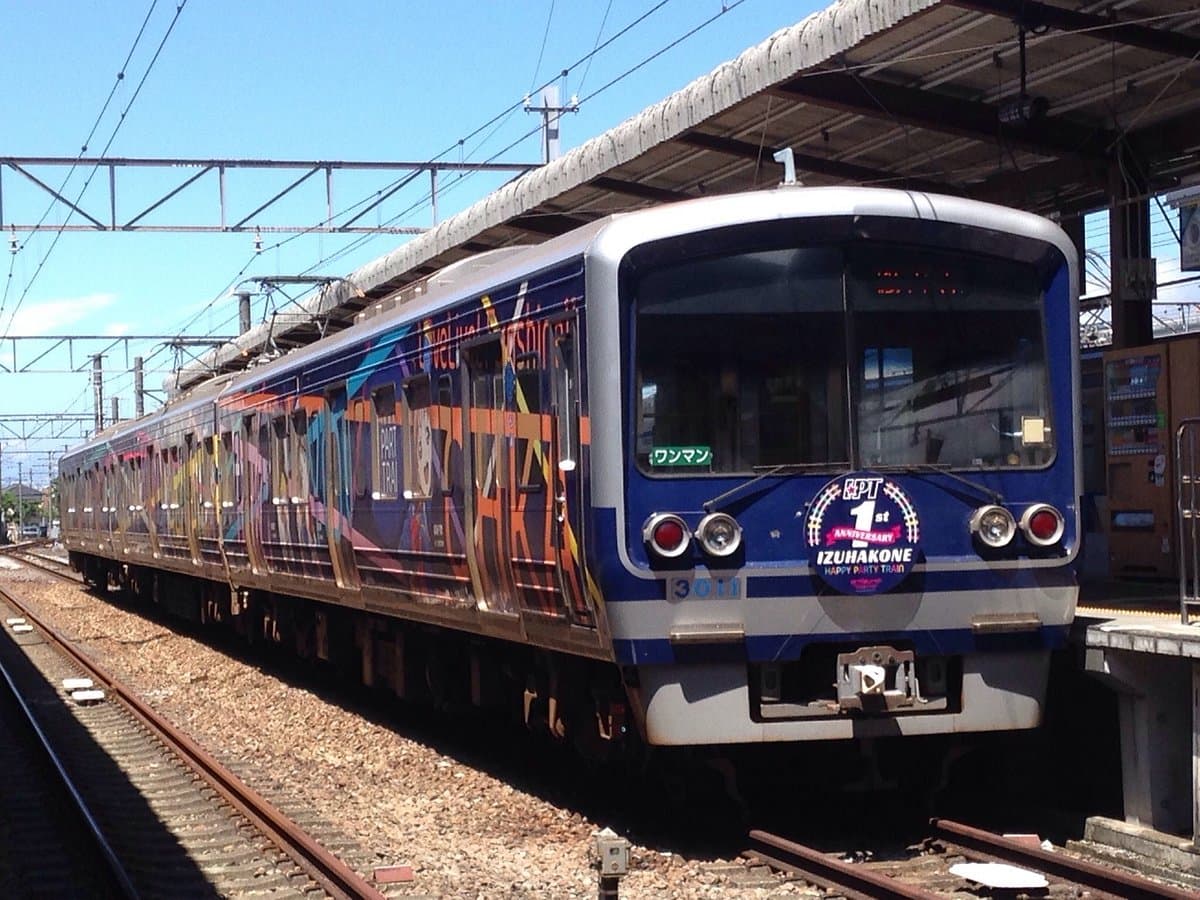
Mishima Taisha is conveniently located at 2 Chome-1-5 Omiyacho, Mishima. It is easily accessible on foot from Mishima Station, which is a major hub for the Tokaido Shinkansen line. Many visitors walk directly from the station, passing through the large torii gate and along the approach path. Public transport within Mishima is also available, but walking is often the most straightforward option from the station.
Common complaints are few, but during peak times like New Year's Day, the shrine can become very crowded, making it difficult to fully appreciate the tranquility. To mitigate this, consider visiting on a weekday or during off-peak hours. While the shrine is beautiful, some visitors might find it less grand than other major shrines in Japan if they are expecting a vast complex; however, its historical significance and local charm are its main draws.