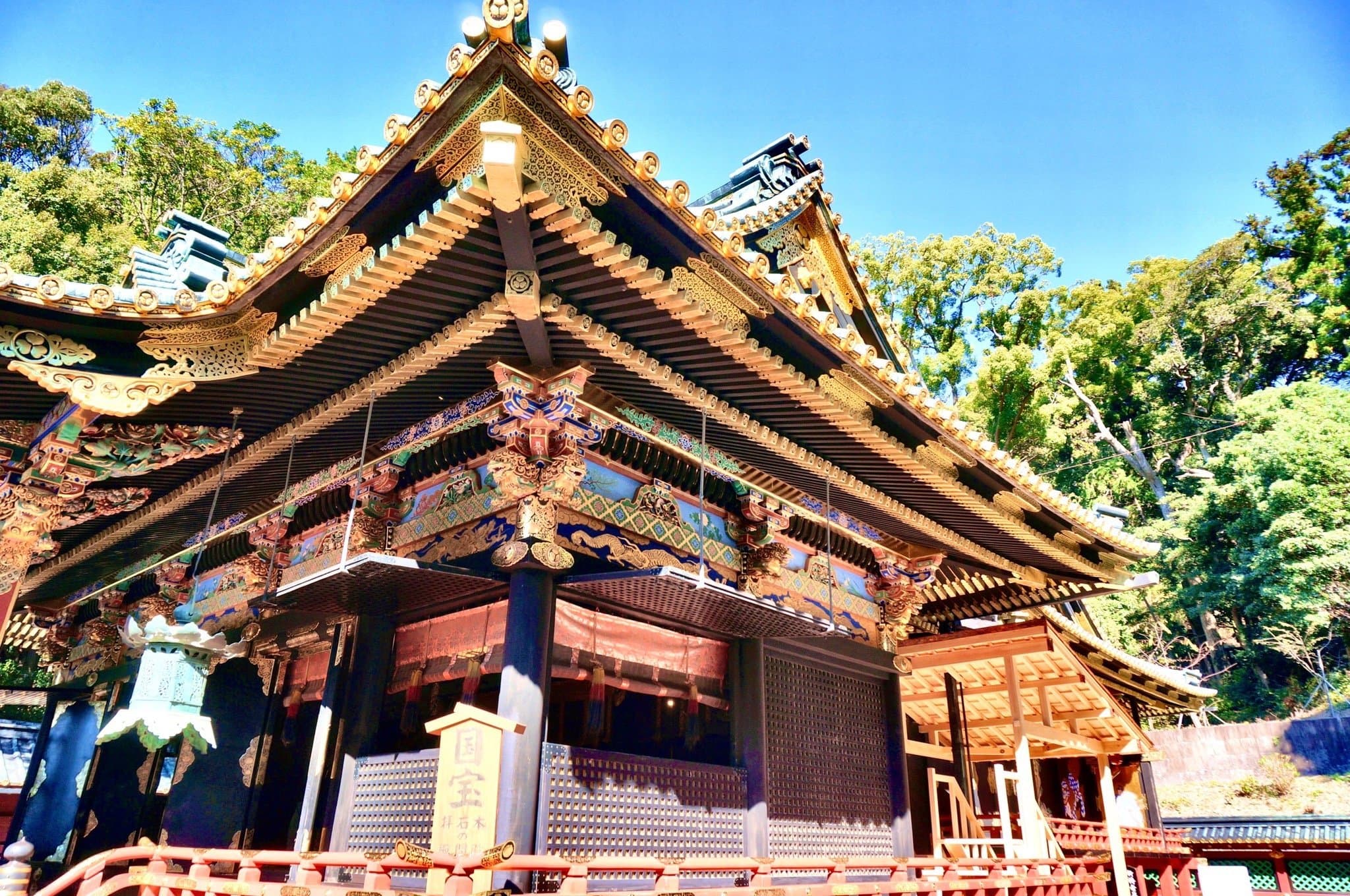
Kunouzan Toshogu is a Shinto shrine of immense historical importance, serving as the initial burial site of Tokugawa Ieyasu, the founder and first shogun of the Tokugawa shogunate. Established in 1617, just two years after Ieyasu's death, it predates the more famous Nikko Toshogu and is considered its architectural predecessor. The shrine's vibrant, ornate buildings, adorned with intricate carvings and rich colors, are a testament to the artistic style of the early Edo period and are designated as important cultural properties.
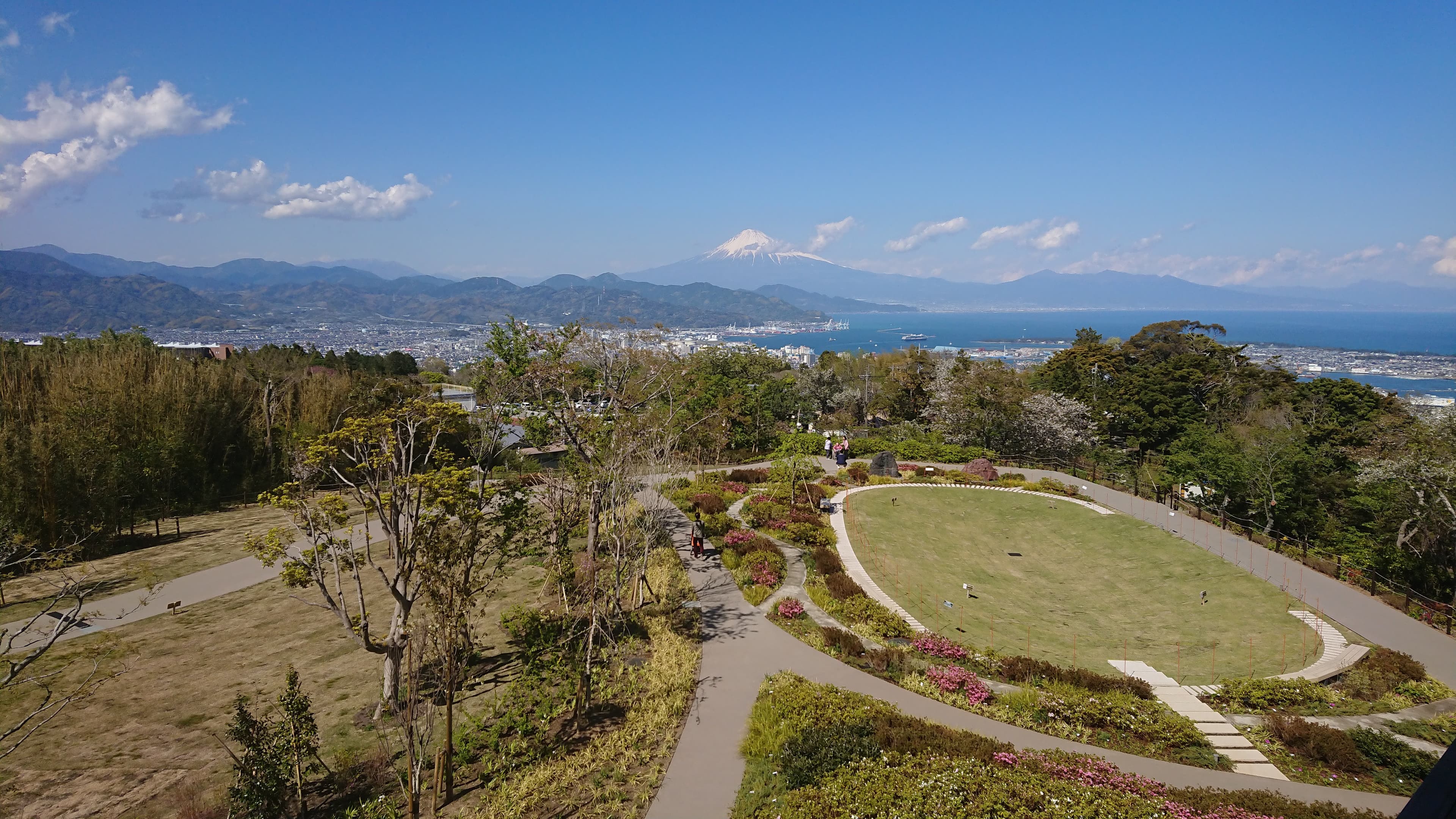
Visitors consistently praise the shrine's beautiful architecture and the breathtaking panoramic views of Suruga Bay and the Pacific Ocean from its elevated position. Many reviewers highlight the scenic Nihondaira Ropeway ride as a significant part of the experience, offering stunning vistas of the coastline and forested valleys. The sense of peace and historical significance is frequently mentioned, with some finding it more authentic and less crowded than Nikko Toshogu. The museum on-site, housing artifacts related to Ieyasu, is also appreciated by those looking to deepen their understanding.
Practical advice from visitors emphasizes the need for comfortable footwear due to the numerous steps. While the ropeway eliminates a significant climb from the base of the mountain, there are still many steep and uneven stone steps within the shrine complex itself, leading up to Ieyasu's tomb. Some reviewers suggest using the wooden walking sticks provided near the ticket booth. To avoid crowds, especially during peak season or when cruise ships are in port, arriving early in the morning is recommended. A combination ticket for the ropeway, shrine, and museum is often available and offers good value.
The most common way to reach Kunouzan Toshogu is via the Nihondaira Ropeway. To get to the Nihondaira Ropeway station, visitors can take a bus from Higashi-Shizuoka train station (buses run approximately once per hour). For those driving, parking is available at the Nihondaira side. Alternatively, adventurous visitors can climb approximately 1,159 to 1,910 stone steps from the base of Mount Kuno on the seaside, a strenuous but rewarding option offering spectacular views. However, this route is not recommended for those with mobility issues or during hot weather.
A recurring complaint among some visitors is the sheer number and steepness of the steps, which can be challenging for older individuals or those not in good physical condition. Reviewers also note that the ropeway can become very crowded, especially when large tour groups or cruise passengers arrive simultaneously, leading to long waits and a less peaceful experience. To mitigate this, consider visiting on a weekday outside of major Japanese holidays, and be prepared for potential queues for the ropeway. While the shrine itself is smaller than Nikko Toshogu, its historical importance and unique setting still make it a compelling destination.