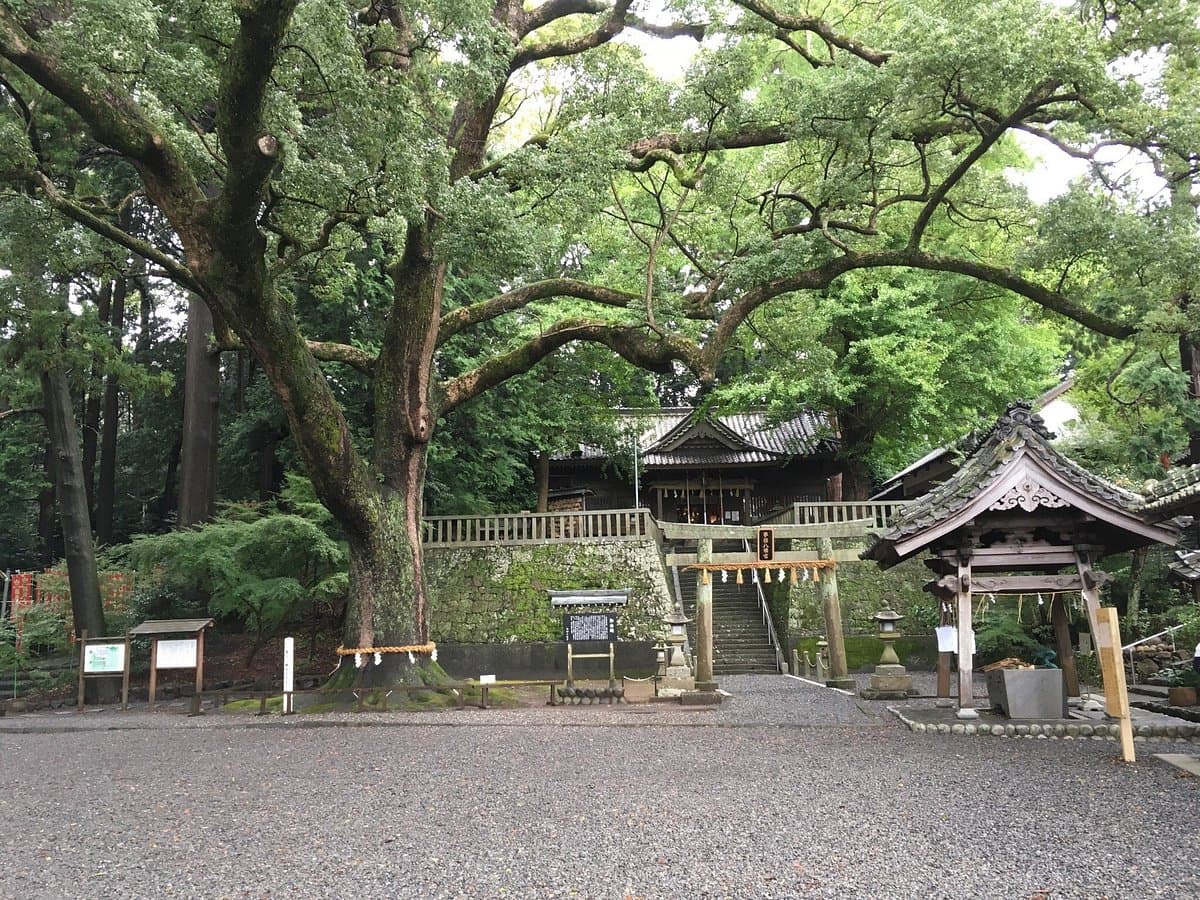
Kotonomama Hachimangu is a Shinto shrine located in Kakegawa, Shizuoka Prefecture, with a history that dates back centuries. It is particularly notable for being mentioned in classical Japanese literature, such as Sei Shonagon's "The Pillow Book," which attests to its long-standing cultural and spiritual significance. The shrine is dedicated to Kotonomachihime, the mother of Amenokoyane, one of the four deities enshrined at Kasuga Taisha Shrine, and holds the status of Ichinomiya (the highest-ranked shrine) in the ancient Totomi Province.
Visitors often praise the shrine for its tranquil and spiritual ambiance, making it a peaceful retreat. The primary draw for many is the belief that wishes made at Kotonomama Hachimangu are granted, a tradition that has been passed down through generations and is reinforced by its literary mentions. While not a large or grand complex, its historical depth and the sense of quiet reverence it inspires are consistently highlighted by those who visit.
For a meaningful visit, allocate about 30 minutes to an hour to explore the grounds and absorb the atmosphere. There are no specific items to bring, but comfortable shoes are always advisable for walking around shrine grounds. The shrine is generally less crowded, allowing for a more personal experience. Consider visiting during the morning hours for the most serene environment.
Kotonomama Hachimangu is located at 642 Yasaka, Kakegawa. While specific public transport details from reviews are limited, Kakegawa is accessible by train. From Kakegawa Station, local buses or a taxi would likely be the most convenient options to reach the shrine. Driving is also an option, and parking facilities are usually available at such sites, though it's always best to check locally upon arrival.
Common complaints are rare, given the shrine's nature as a place of quiet contemplation. However, some visitors might find the shrine less visually spectacular compared to larger, more famous shrines, which could lead to a feeling of it being underwhelming if expectations are solely based on grand architecture. To mitigate this, approach the visit with an appreciation for its historical and spiritual significance rather than purely aesthetic grandeur.