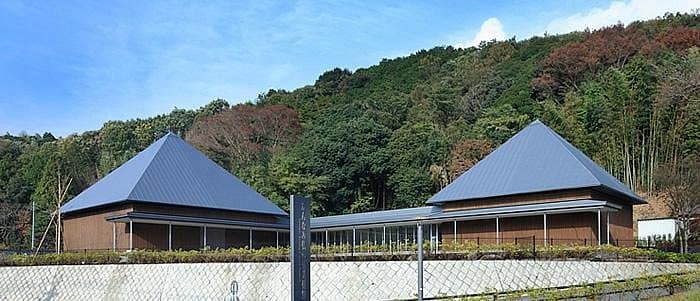
The Kannami Buddha Statues Museum is a modest yet historically significant institution dedicated to preserving and showcasing ancient Buddhist sculptures. Its collection primarily features statues, some dating as far back as the 13th century, which hold a unique story of survival, having been hidden by local communities during the anti-Buddhist movements of the early Meiji period. This museum offers a quiet contemplation of Japan's religious and cultural heritage.
Visitors consistently praise the impeccable display of the statues, even within the confines of a single exhibition room. The historical context of the collection, particularly the narrative of their concealment and rediscovery, resonates strongly with those interested in Japanese history and religious art. The intimate scale of the museum allows for a focused and unhurried viewing experience, which many find appealing.
Given its small size, visitors should plan to spend approximately 30 minutes to an hour exploring the museum. There is no specific advice on the best time of day, but a quiet weekday visit might offer a more serene experience. As a specialized museum, it is best appreciated by those with a genuine interest in Buddhist art or local history; casual visitors might find the experience brief. Bringing a camera might be useful if photography is permitted, but it's advisable to check local rules upon arrival.
The museum is located at 89-1 Kuwahara, Kannami-cho, Shizuoka Prefecture. Specific public transport details are not widely available in reviews, suggesting that reaching it might be easier by car or local taxi. If relying on public transport, it would be prudent to research local bus routes from the nearest train station (e.g., Kannami Station) or consider a taxi for direct access.
Common complaints are not explicitly detailed in the limited reviews, but the small size of the museum could be a point of concern for those expecting a larger, more extensive collection. To mitigate this, visitors should manage their expectations and approach the museum as a focused historical exhibit rather than a sprawling art gallery.