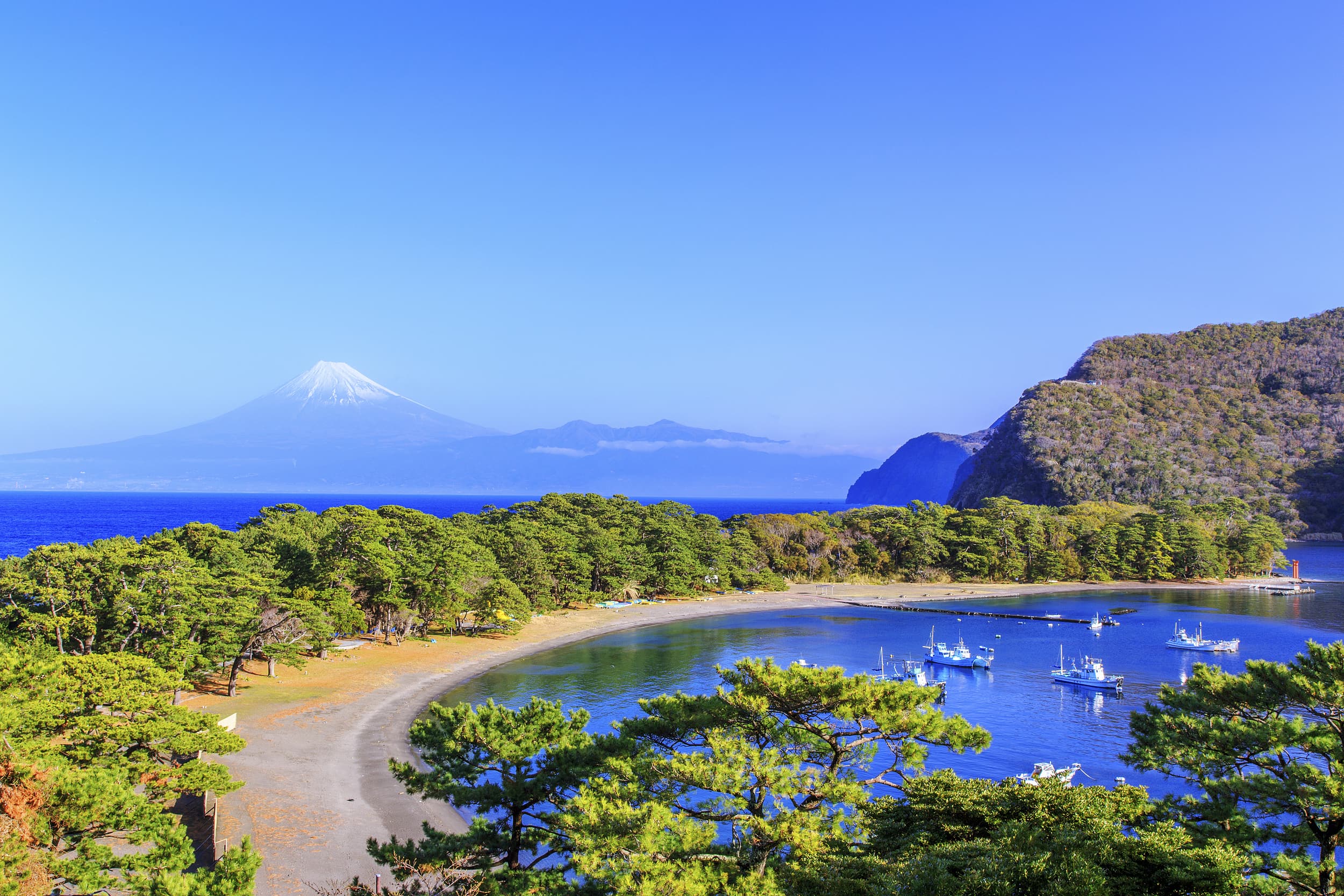
The Izu Peninsula, located in Shizuoka Prefecture, is a geologically rich region renowned for its stunning coastlines, volcanic mountains, and abundant hot springs. It serves as a significant natural and cultural escape from the bustling cities, offering visitors a chance to experience traditional Japanese hospitality and breathtaking scenery.
Visitors frequently highlight the peninsula's tranquil atmosphere and the unique blend of natural beauty. Many reviewers express deep appreciation for the quietness and the opportunity to relax in the numerous hot springs, particularly in towns like Atami and Ito. The fresh seafood, especially local delicacies like alfonsino, is another recurring point of praise, with several visitors noting the quality of traditional Japanese restaurants. The diverse experiences available, from hiking in the Amagi Mountains to enjoying magnificent sea views, contribute to a sense of discovery, with some reviewers mentioning that each visit brings new experiences.
To make the most of a visit, planning for at least 1-3 days is recommended to fully explore the diverse attractions. Bringing comfortable walking shoes is advisable for those planning to hike or explore coastal areas. While the peninsula is enjoyable year-round, some visitors suggest that summer offers a particularly vibrant experience. Booking accommodations, especially traditional ryokans with hot springs, in advance is recommended, particularly during peak seasons. Focusing on specific areas like the hot spring towns or the scenic coastlines can help manage time effectively.
The Izu Peninsula is conveniently located about 100 kilometers south of Tokyo. Tourists can reach the area by taking the Shinkansen or an express train from Tokyo. This makes it an accessible destination for those looking for a relatively quick journey from the capital. Once on the peninsula, local buses and trains connect various towns and attractions, though having a rental car can offer more flexibility for exploring remote areas.
While reviews are overwhelmingly positive, some visitors might find the extensive area challenging to navigate without a clear itinerary. To mitigate this, it is advisable to research specific points of interest beforehand and consider purchasing a local transport pass or renting a car if planning to explore widely. The quiet nature of some areas might also mean fewer English-speaking services, so having a translation app or basic Japanese phrases can be helpful.