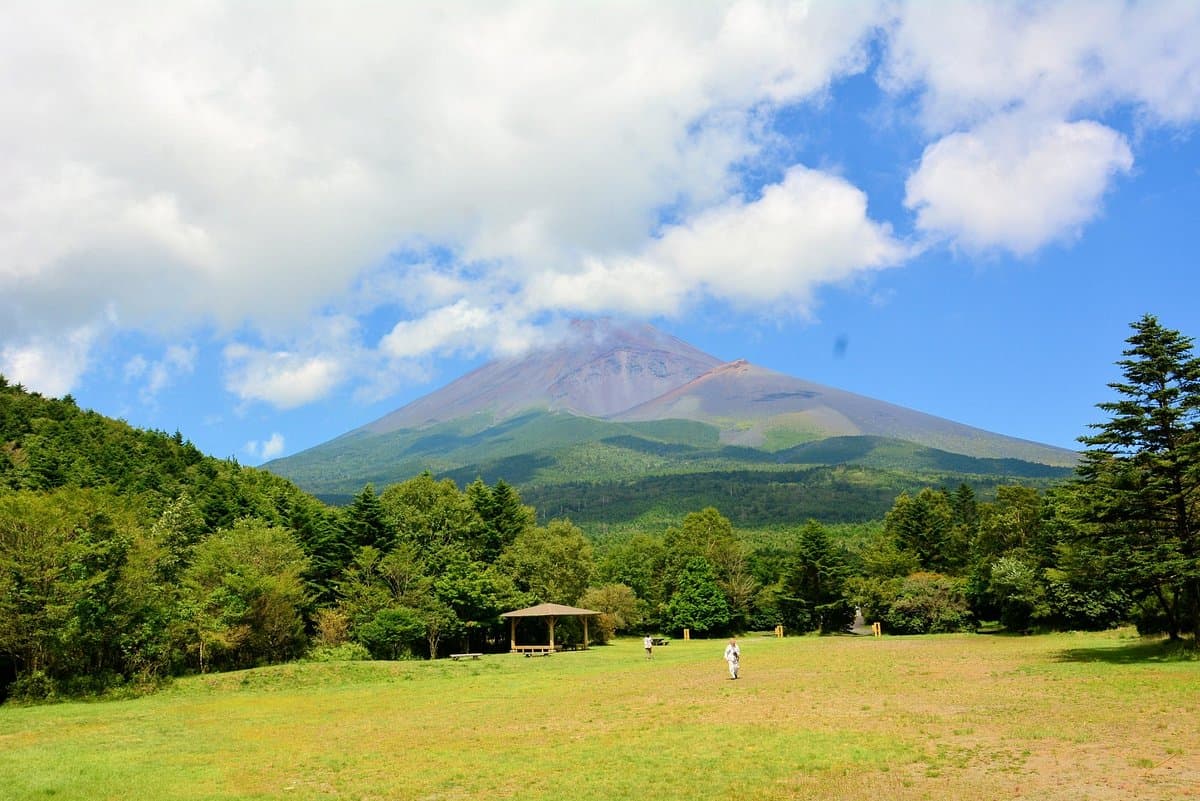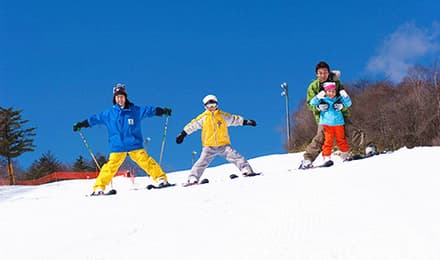
Fujiyama Snow Resort Yeti is one of Japan's earliest ski resorts, situated at the base of Mount Fuji. It's primarily known for its accessibility and artificial snow, making it a viable option for those seeking a winter sports experience early in the season or when natural snow is scarce. The resort caters to a range of skill levels, from beginners to intermediate skiers and snowboarders, and offers equipment rentals and lessons.
Visitors consistently praise the resort for its stunning views of Mount Fuji, which many describe as a highlight of their visit. The convenience of its location for day trips, especially from Tokyo or the Hakone/Kawaguchiko area, is also frequently noted. Many appreciate the availability of packages that combine transportation, lift tickets, and rentals, simplifying the planning process. However, a recurring theme in reviews is the resort's tendency to get very crowded, particularly on weekends and during peak season. The snow quality, being largely artificial, is often described as icy or slushy, especially later in the day. Some visitors also express disappointment with the limited number and length of slopes, finding them insufficient for experienced skiers.
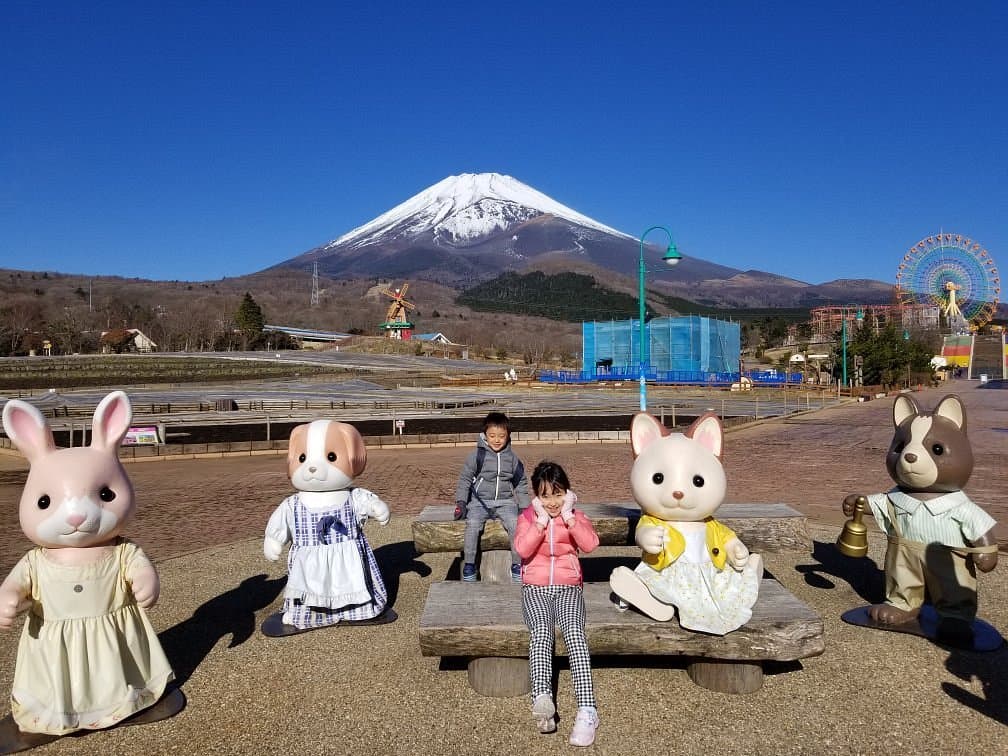
For a smoother experience, visitors recommend arriving early, especially if you plan to rent equipment or take lessons, as queues can be long. Consider visiting on a weekday to avoid the worst of the crowds. If you're bringing toddlers, be aware that dedicated play areas and sleigh rides might only be available from mid-December onwards, and the 'kids playground' can be quite small. Many suggest bringing your own winter clothing if possible, as rental options can be expensive and sometimes limited. Budget at least 2-3 hours for your visit, although some visitors on day tours feel the time allocated is too short. It's advisable to check the resort's official website for the most current information on slope conditions and facility availability, particularly for children's areas.
The resort is well-connected by public transport, making it accessible even without a car. Many visitors utilize shuttle buses from nearby train stations. For instance, direct shuttle buses are available from Mishima Station (accessible via Shinkansen) and other major hubs. The bus journey from Mishima Station typically takes about an hour. Some tour packages include round-trip bus tickets, resort entry, and rental sets, which can be a cost-effective option. If driving, be prepared for potential traffic and limited parking during busy periods. Note that some visitors reported issues with credit card acceptance, so it's wise to carry some cash.
Common complaints revolve around the cost of rentals and services, which some find to be disproportionately high compared to the quality or extent of the facilities. The lack of clearly marked slope gradients, especially for beginners, has been cited as a safety concern. To mitigate these issues, research rental prices beforehand and consider bringing your own basic gear if feasible. For beginners, it's crucial to be cautious on slopes that may appear gentle but have unexpected steep sections. If booking through third-party platforms, double-check ticket redemption procedures and tour guide contact information, as some visitors have experienced difficulties.