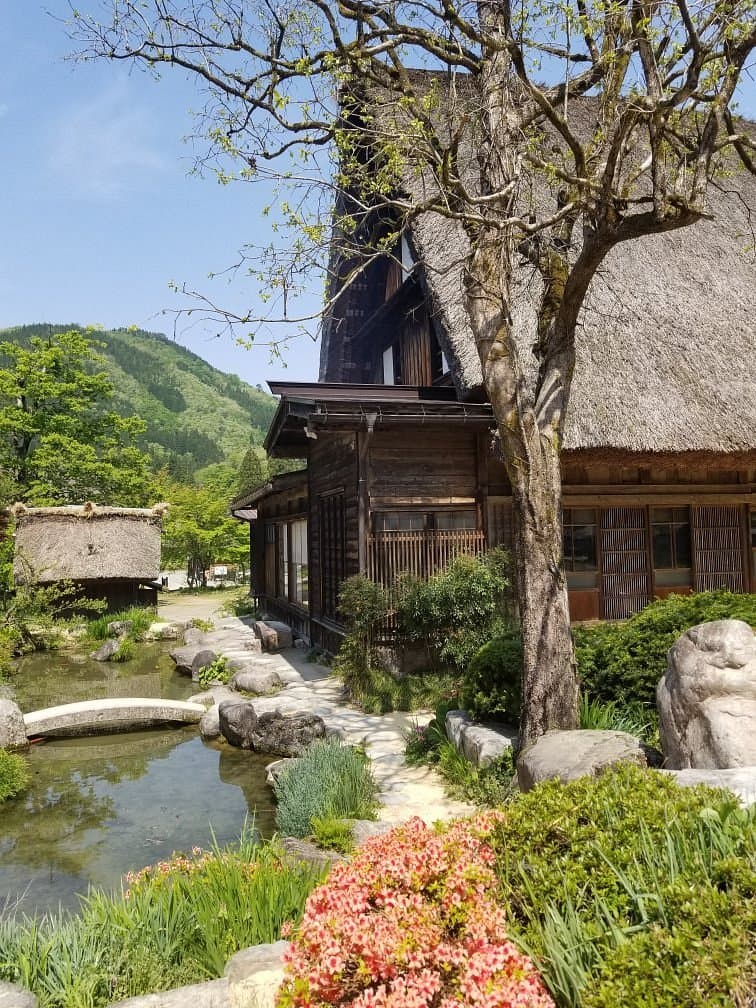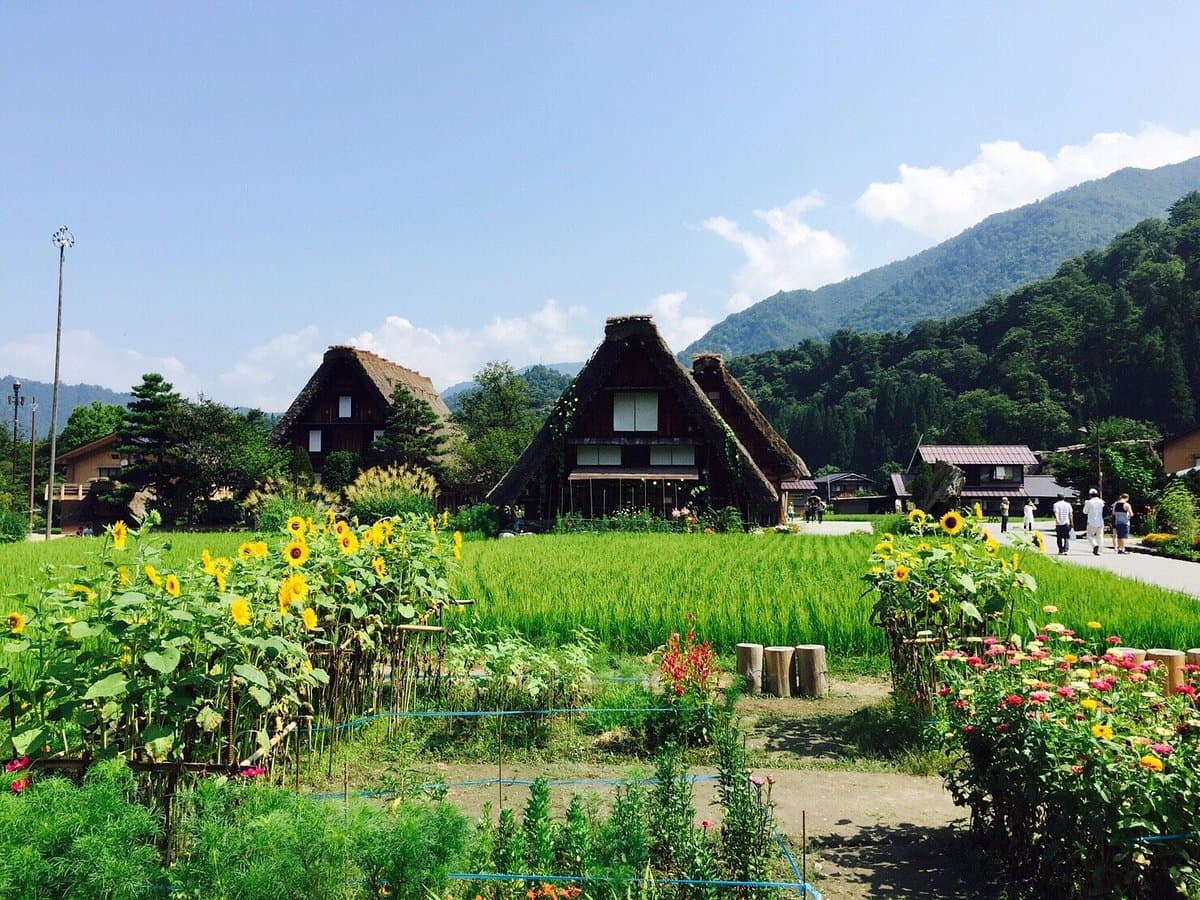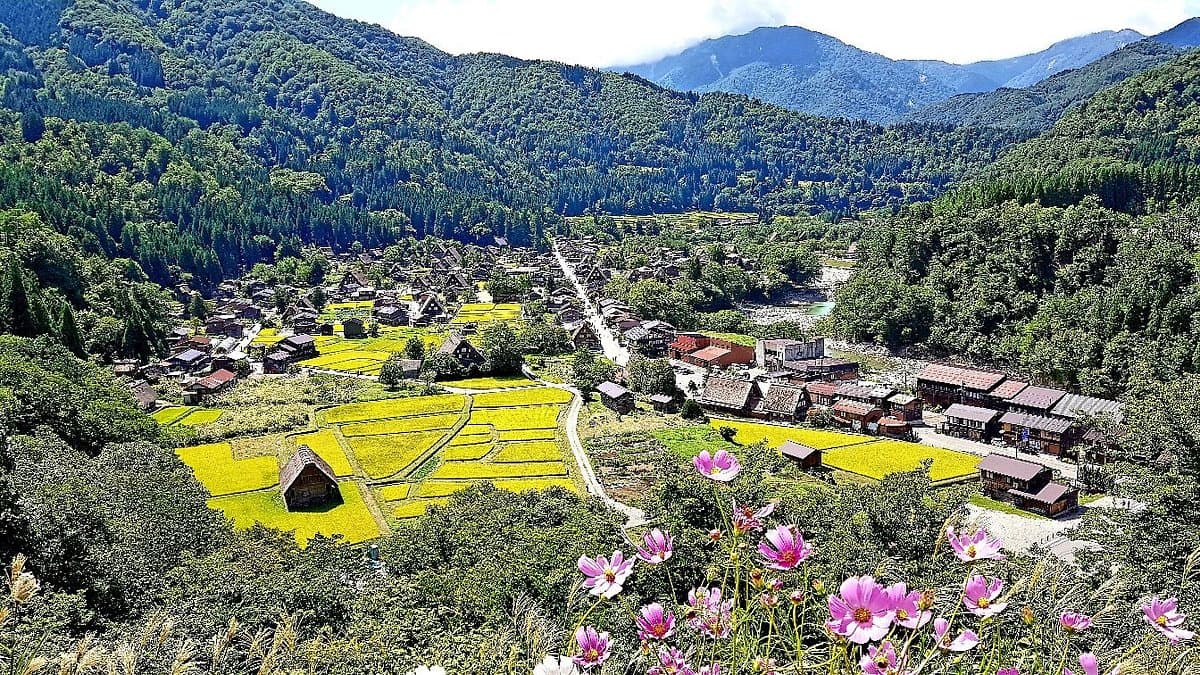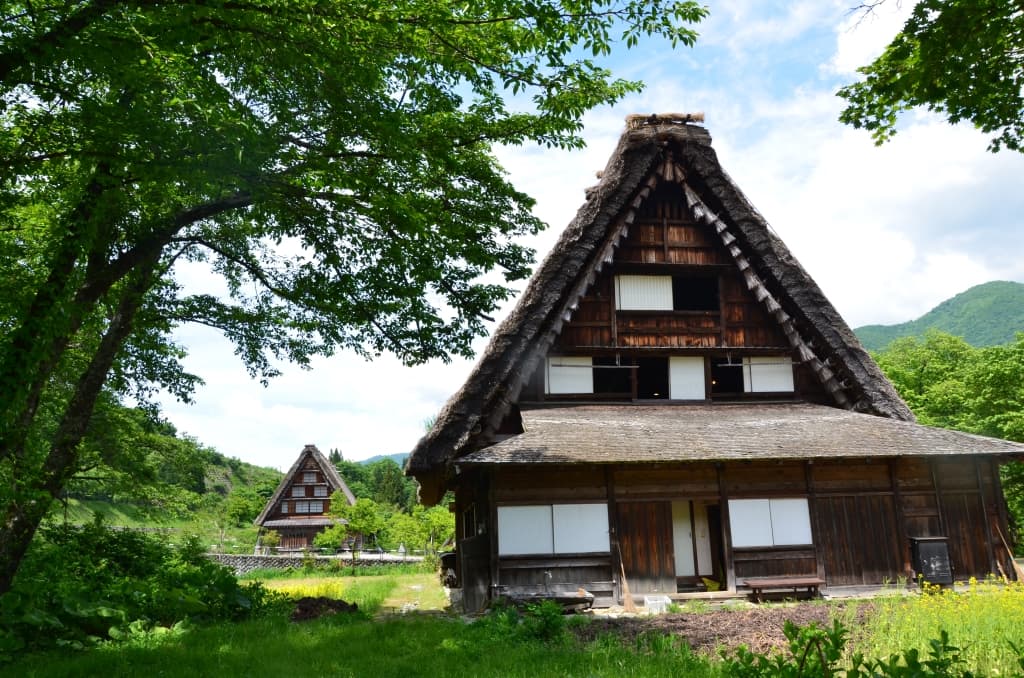
The Gassho-zukuri Minkaen is an open-air museum dedicated to preserving the unique architectural style of Gassho-zukuri houses, characterized by their steeply sloped, thatched roofs resembling hands clasped in prayer. It serves as a vital cultural repository, relocating and maintaining 25 such structures, including shrines, temples, and watermill cottages, some of which are designated as important cultural properties. This museum offers a comprehensive look into the traditional rural life of Shirakawa-go, allowing visitors to step back in time and understand the ingenuity behind these resilient homes.
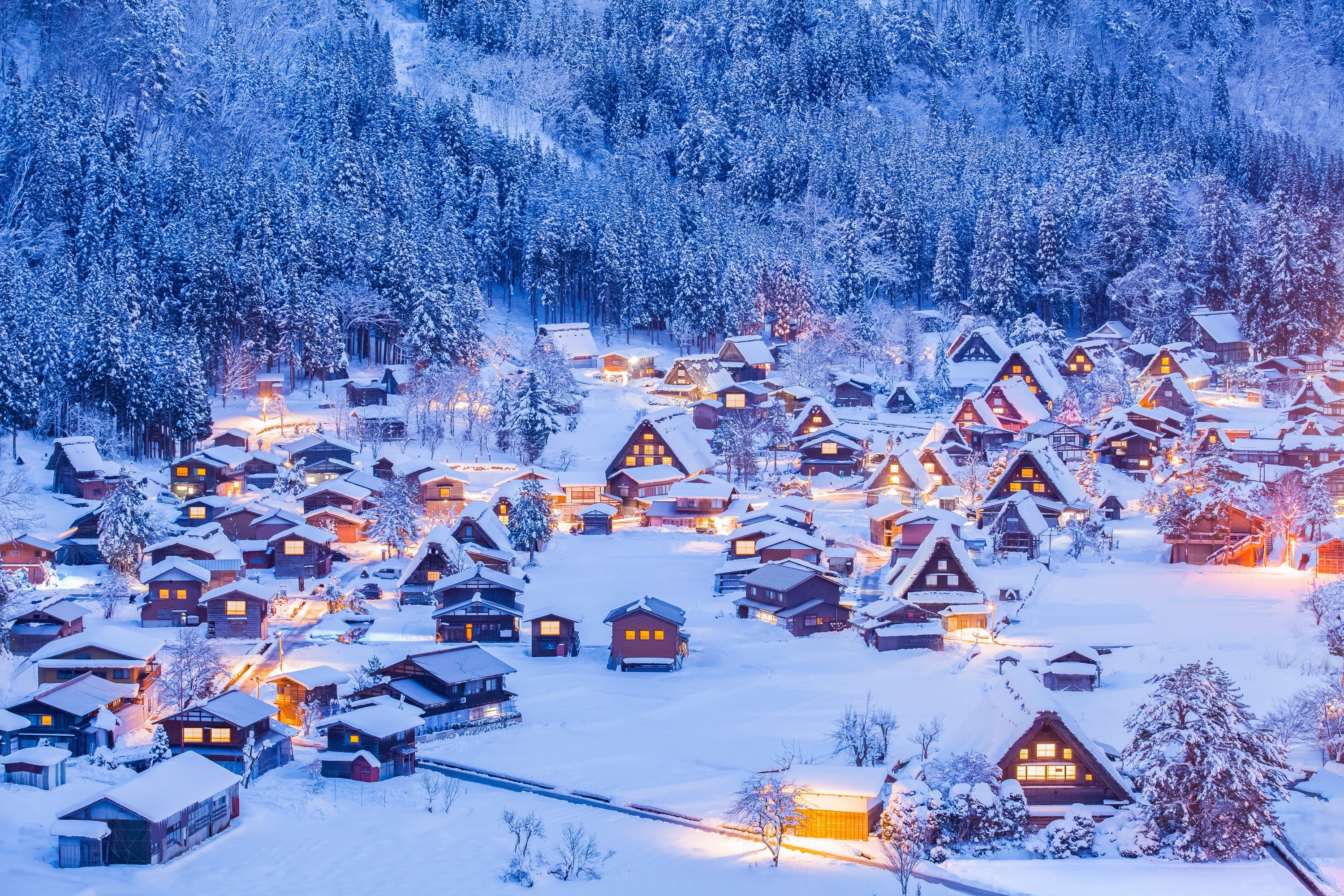
Visitors consistently praise the museum for its authentic atmosphere and the opportunity to explore the interiors of the houses, including the living areas on the first floor and the silkworm-raising spaces in the attics. Many reviewers highlight the sense of stepping into a fairytale, especially during autumn or when snow covers the landscape, creating a nostalgic and picturesque setting. The museum is often noted for being less crowded than the main Shirakawa-go village, providing a more peaceful and immersive experience. The presence of flowing water and the overall natural beauty are frequently mentioned as highlights.
To make the most of your visit, allocate about 1 to 3 hours, with many visitors finding 2 hours sufficient to explore thoroughly. Reviewers suggest that any season offers a unique charm, but the snow-covered landscape is particularly enchanting, though it can impact visibility from observation decks. It is advisable to wear comfortable shoes as there might be some walking, including a fairly steep slope to an observation area for panoramic views. Bringing a camera is highly recommended to capture the scenic beauty. While there are restaurants and souvenir shops, some visitors prefer to bring their own snacks and drinks to enjoy the tranquil surroundings.
Reaching Shirakawa-go, located deep in the mountains of Gifu, can be challenging. Many visitors opt to rent a car for flexibility, while others use buses from cities like Kanazawa. The museum itself is situated within Shirakawa-go. Once in the village, it is accessible by walking. Reviewers note that there is often only one main road leading into the area, which can become congested, especially during peak seasons or heavy snowfall. Planning your arrival time to avoid peak crowds is recommended.
A common complaint among some visitors is the difficulty of access due to the mountainous location. While the journey can be long, the reward is a well-preserved cultural site. Some also mention that while beautiful, there isn't anything 'particularly special' beyond enjoying the atmosphere and old-fashioned scenery. To mitigate this, approach the visit with an appreciation for historical preservation and traditional architecture rather than expecting modern interactive exhibits.