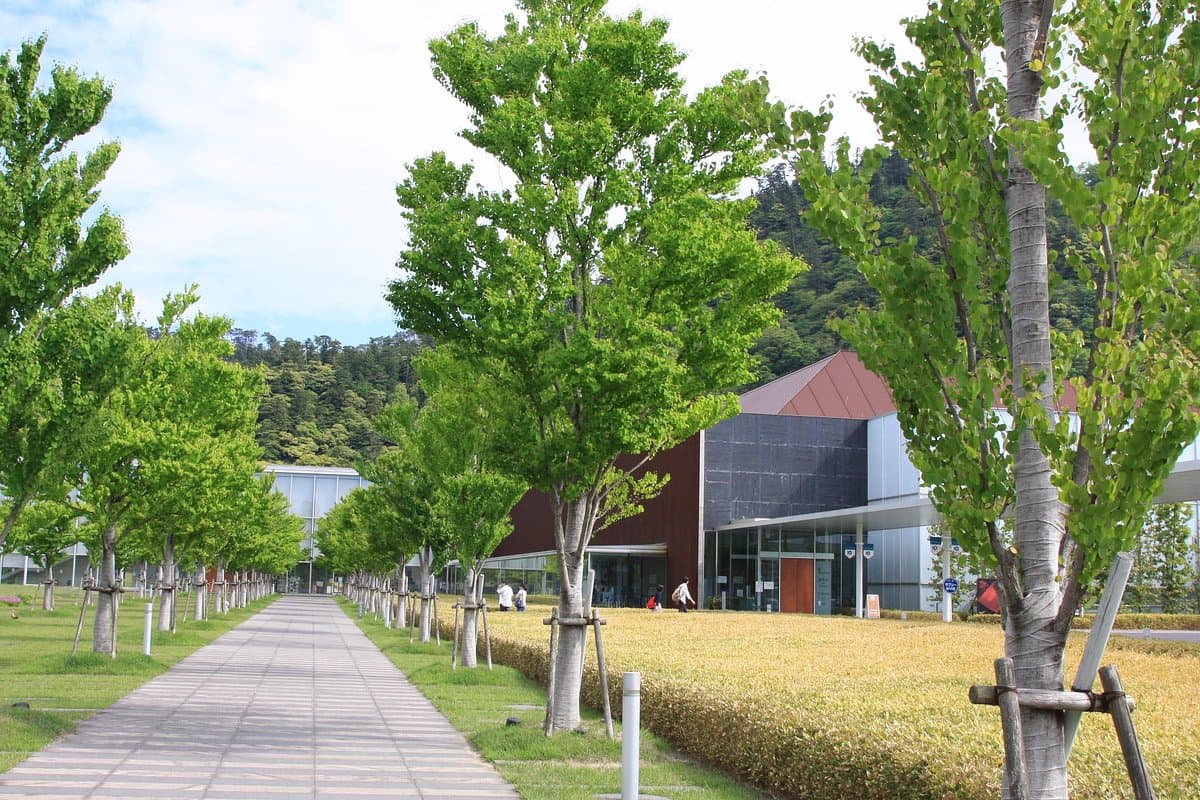
The Shimane Museum of Ancient Izumo is a modern architectural marvel dedicated to preserving and showcasing the profound history and mythology of the Izumo region, a cornerstone of ancient Japanese culture. It stands as a vital educational institution, offering insights into the origins of Shintoism, the Izumo Taisha Grand Shrine, and the unique archaeological discoveries that define this area's significance in Japan's formation.
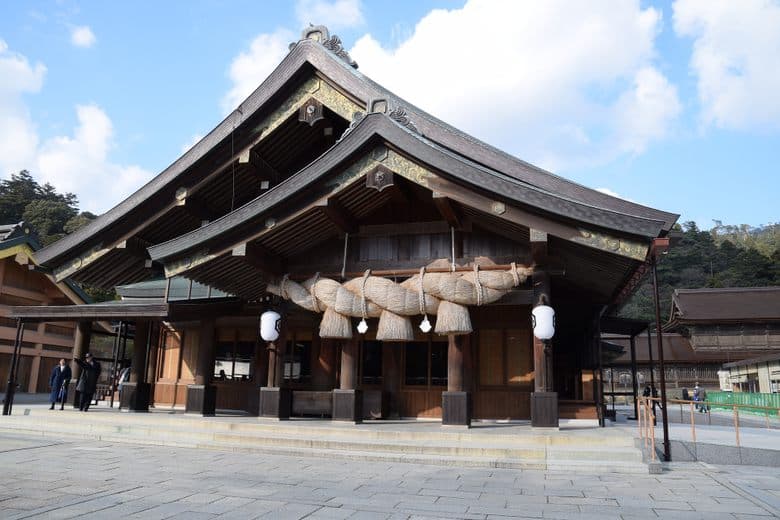
Visitors frequently highlight the museum's ability to contextualize the Izumo Taisha Grand Shrine, with many recommending a visit here before heading to the shrine. The exhibits are praised for their impressive display of national treasures, such as dotaku (bronze bells) and a vast collection of bronze swords, along with detailed models of the ancient Izumo Taisha. Reviewers often mention the engaging videos and stories that bring ancient myths to life, making the complex history accessible and enjoyable. The museum's spacious and well-maintained environment, even during peak summer, is also a recurring positive point.
To make the most of your visit, allocate 1 to 3 hours, especially if you plan to utilize the free English audio guide. While some exhibits have limited English text, the audio guide is highly recommended for a deeper understanding. Foreign visitors should remember to bring their passport, as several reviewers note a discount on the entry fee. The museum offers amenities like lockers for backpacks and helpful staff, even with limited English proficiency. An observatory deck on the third floor is also mentioned, offering views that some visitors found worth exploring.
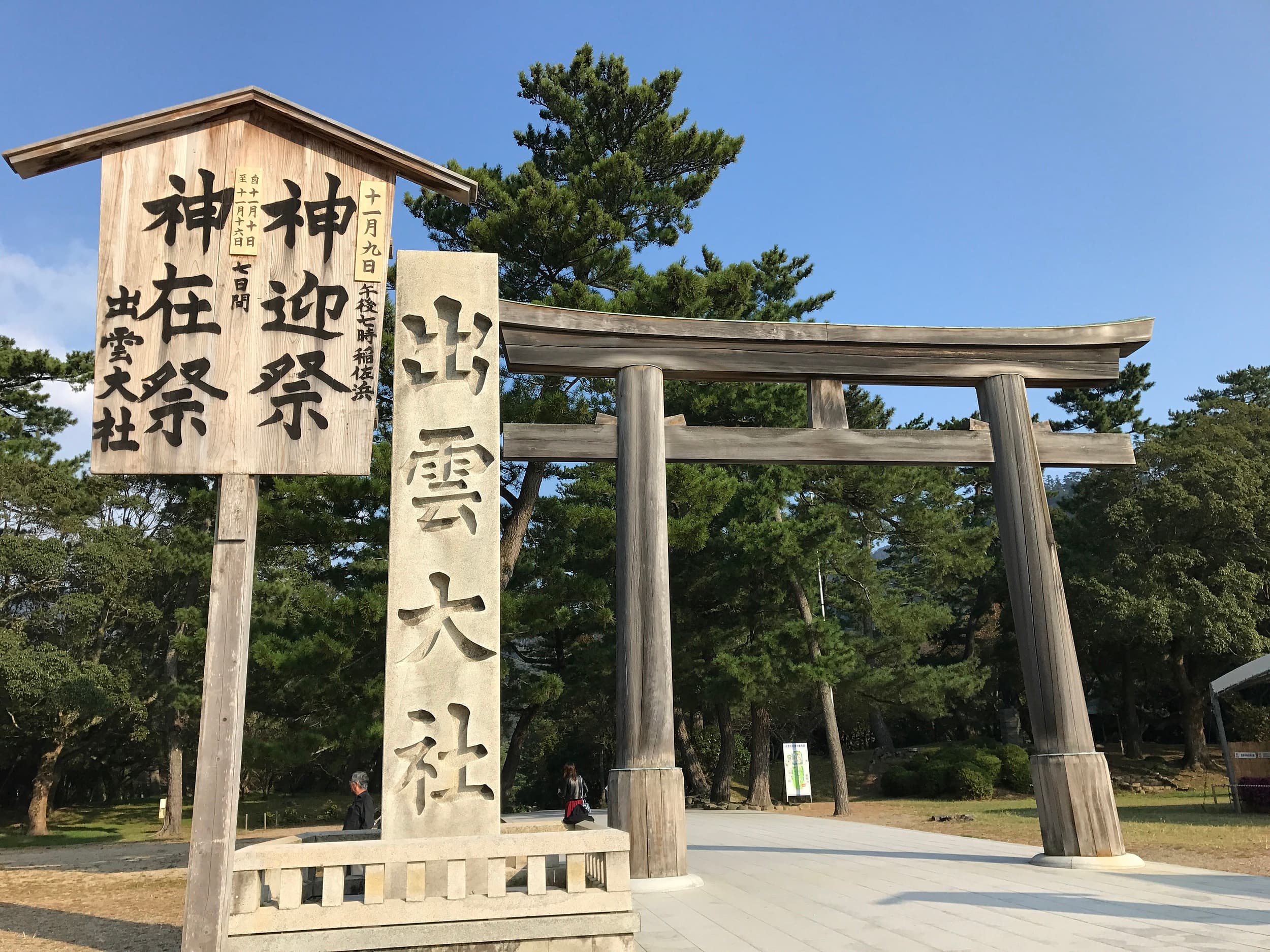
The museum is conveniently located right next to the Izumo Taisha Grand Shrine. For those driving, ample free parking is available. Public transport users can reach the shrine area via the Ichibata Electric Railway to Izumo Taisha-mae Station, from which the museum is a short walk. Its proximity to the shrine makes it an easy and logical next stop, or a preparatory visit, for anyone exploring the area.
While generally well-received, some visitors note that not all exhibits have audio guide tracks, and the amount of English text can be limited. To mitigate this, prioritize using the audio guide for key exhibits and focus on the visual displays and models, which are often self-explanatory and highly impressive. Planning your visit to align with the audio guide's coverage can help ensure a comprehensive experience.