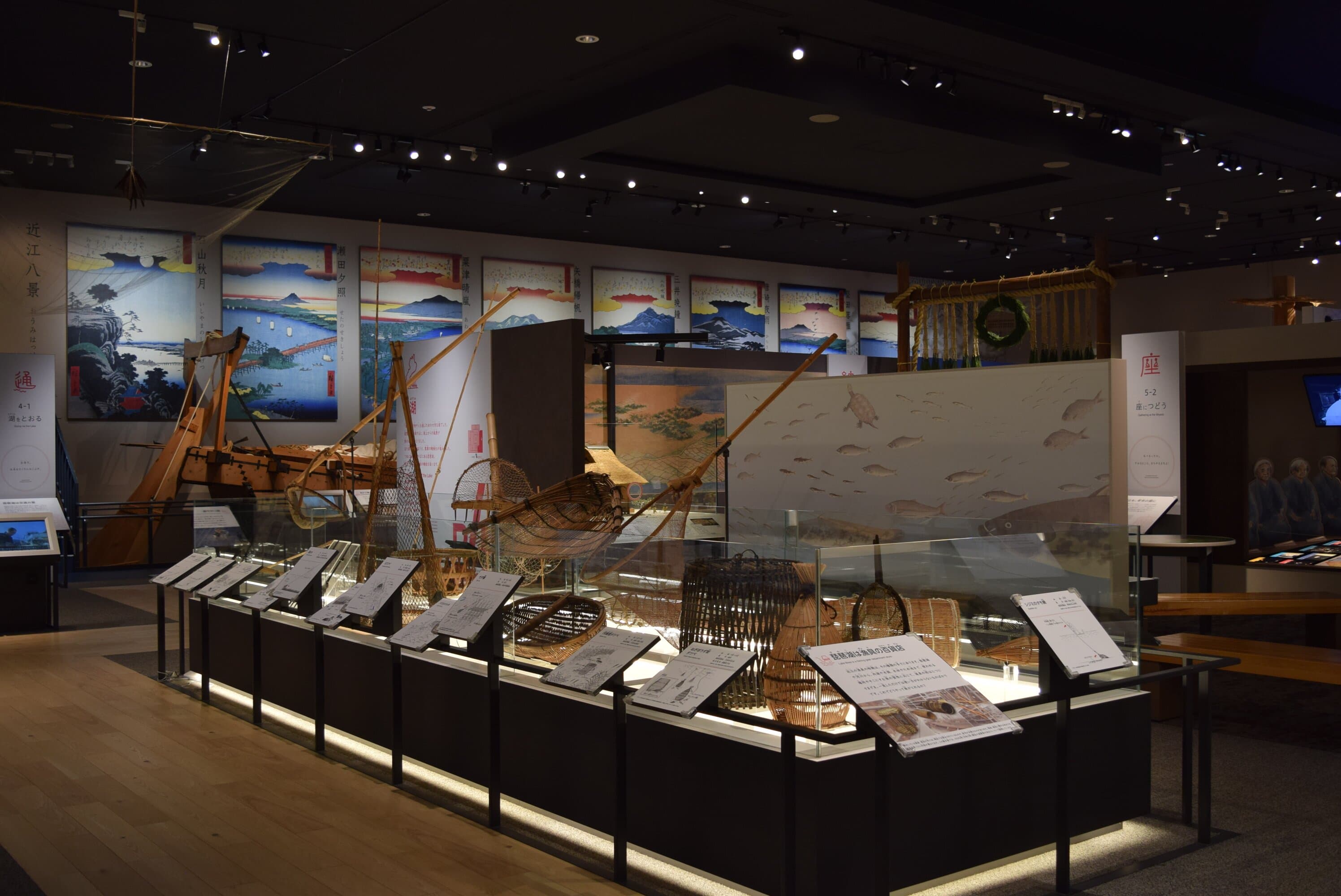
The Lake Biwa Museum is Japan's largest lake-themed museum, dedicated to showcasing the rich biodiversity, geological history, and human interaction with Lake Biwa. It serves as a vital educational and research institution, offering a comprehensive understanding of this ancient lake's significance to the region and beyond.
Visitors frequently highlight the museum's impressive freshwater aquarium, which features many endemic species from Lake Biwa, as a major draw. Many describe the exhibits as well-thought-out, engaging, and suitable for families with children, who particularly enjoy the interactive elements and stamp rallies. The spacious, modern design with high ceilings and lake-side glass windows contributes to a pleasant and open atmosphere. Reviewers often mention spending several hours, sometimes even a full day, exploring the diverse sections covering geology, history, human settlement, and the aquatic life of the lake.
To make the most of your visit, plan to spend at least 2-3 hours, or even a half-day if you wish to thoroughly explore all sections, including the aquarium. Many recommend purchasing the total ticket package to access all areas. While most information is in Japanese, some exhibits offer English explanations, and a few visitors reported having English-speaking staff guides. The museum also features a restaurant and a gift shop. For those with mobility concerns, the museum is accessible, with provisions for wheelchairs and drop-off points near the entrance.
The museum is located on the shores of Lake Biwa, somewhat removed from the city center. The most common way to reach it is by bus from Kusatsu Station (West Exit). Reviewers advise checking the bus schedule in advance, as services can be limited, with only one or two buses per hour. The bus ride takes approximately 30 minutes. Alternatively, some visitors mention boat services from Otsu or driving, with ample parking available. For those approaching by car, there's a designated wheelchair area and a southeast parking lot for drop-offs.
A minor complaint noted by some visitors concerns the size of the enclosure for two seals, which some felt was too small. While this is a specific observation, the overall sentiment regarding animal welfare in the aquarium is generally positive, focusing on the diversity and preservation efforts for Lake Biwa's unique species.