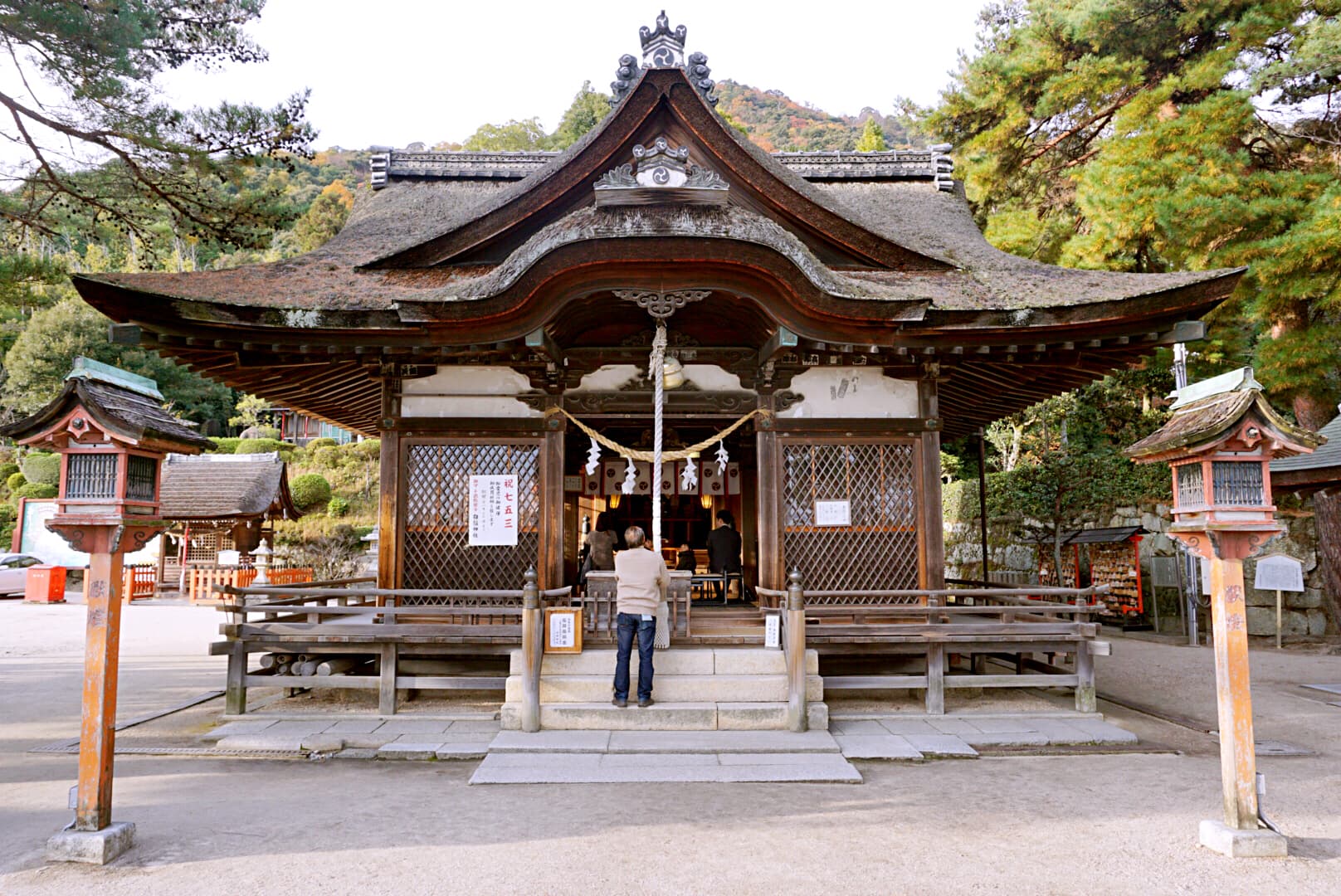
Shirahige Shrine, founded approximately 2,000 years ago, holds the distinction of being the oldest shrine in Omi Province and the head shrine for about 300 Shirahige Shrines across Japan. Its primary draw is the striking vermilion torii gate standing majestically in Lake Biwa, creating a picturesque scene often referred to as the 'floating torii'. This unique setting has earned it recognition as a significant element of Japanese heritage.
Visitors consistently praise the shrine for its stunning photographic opportunities, particularly at sunrise and sunset when the light creates dramatic effects on the lake and gate. Many describe the atmosphere as serene and contemplative, offering a peaceful escape. Reviewers often highlight the contrast between the vast lake and the solitary gate, evoking a sense of tranquil beauty. While the shrine itself is relatively small, its historical significance as a 'power spot' offering benefits like longevity, matchmaking, and good luck is noted by some.
For the best experience, plan your visit for sunrise or sunset. Several reviewers emphasize that these times offer the most beautiful views and photographic opportunities. An estimated duration of 1-2 hours is generally sufficient to explore the shrine grounds and appreciate the lakeside view. Bringing a good camera is highly recommended. While the shrine is open during the day, the illumination of the torii gate at night also creates a charming ambiance, though fewer visitors mention experiencing this.
Getting to Shirahige Shrine primarily requires a car, as it is not conveniently located near a train station. Reviewers frequently mention driving, with some noting that the drive northbound from Otsu offers scenic views of the Kosei mountains and Lake Biwa. There is parking available, including spaces for tourist buses, but navigating the busy National Route 161 (which runs directly in front of the shrine) to enter the parking lot can be challenging, especially during peak times. For those relying on public transport, the nearest station is Omi-Takashima Station. From there, it's a walk of about 30 minutes to an hour along a major highway, or a taxi ride costing around 1100 yen one way. Some visitors have walked from Omi-Takashima, noting sights like Omizo Castle ruins and rice fields along the way, but caution that the walk is along a busy road without dedicated pedestrian crossings in some sections. If taking a taxi, it's advisable to get the driver's phone number for the return trip, as taxis may not be readily available.
A common complaint among visitors is the dangerous road crossing between the main shrine building and the lakeside torii gate. National Route 161 is a busy highway, and despite signs (often only in Japanese) advising against crossing, many visitors do so for photos, creating a significant safety hazard. There is no pedestrian crossing directly at the shrine. To mitigate this, exercise extreme caution if you choose to cross, or consider viewing the torii gate from the shrine side only. Some reviewers suggest that authorities should install a crosswalk to improve safety.