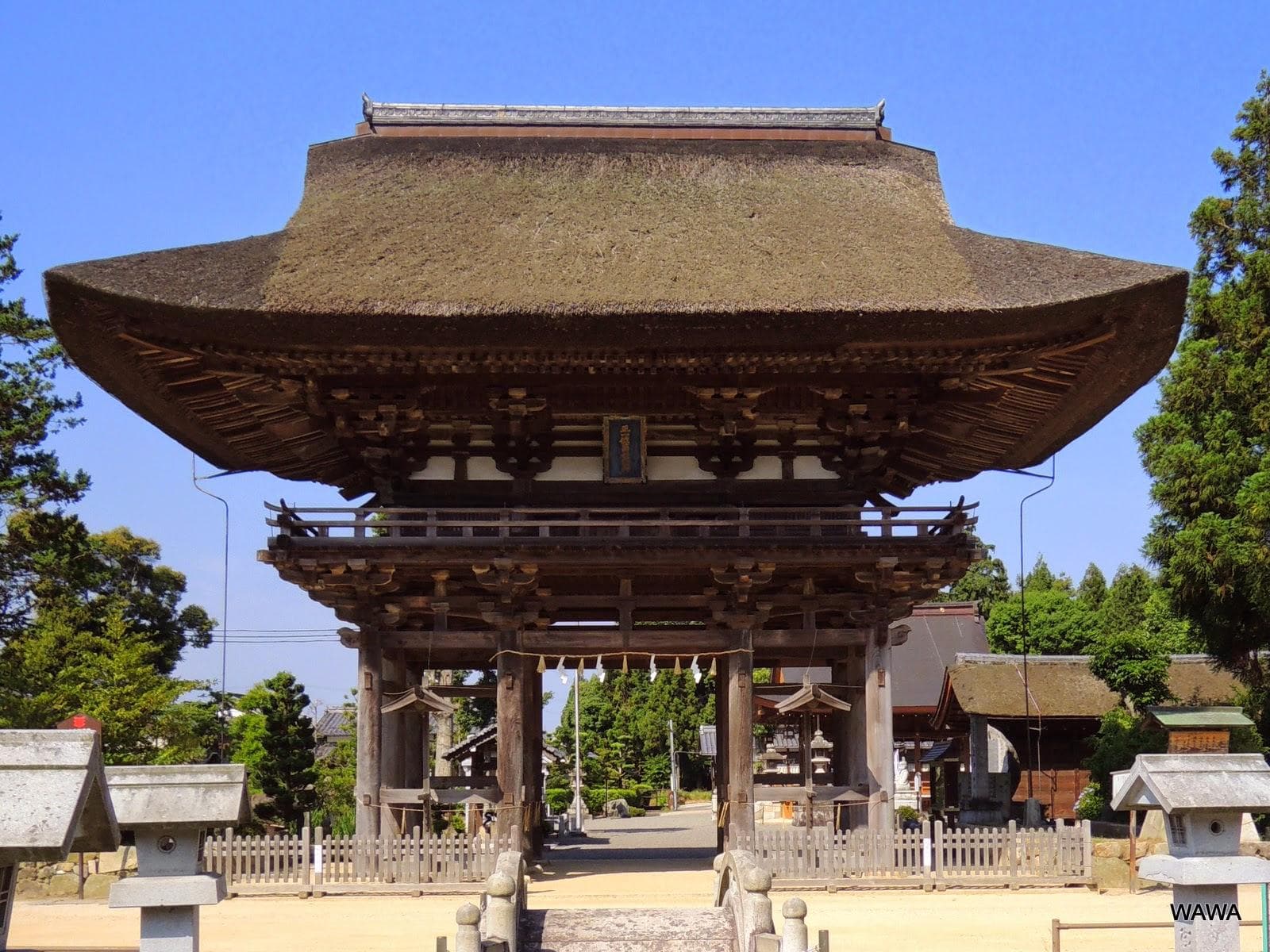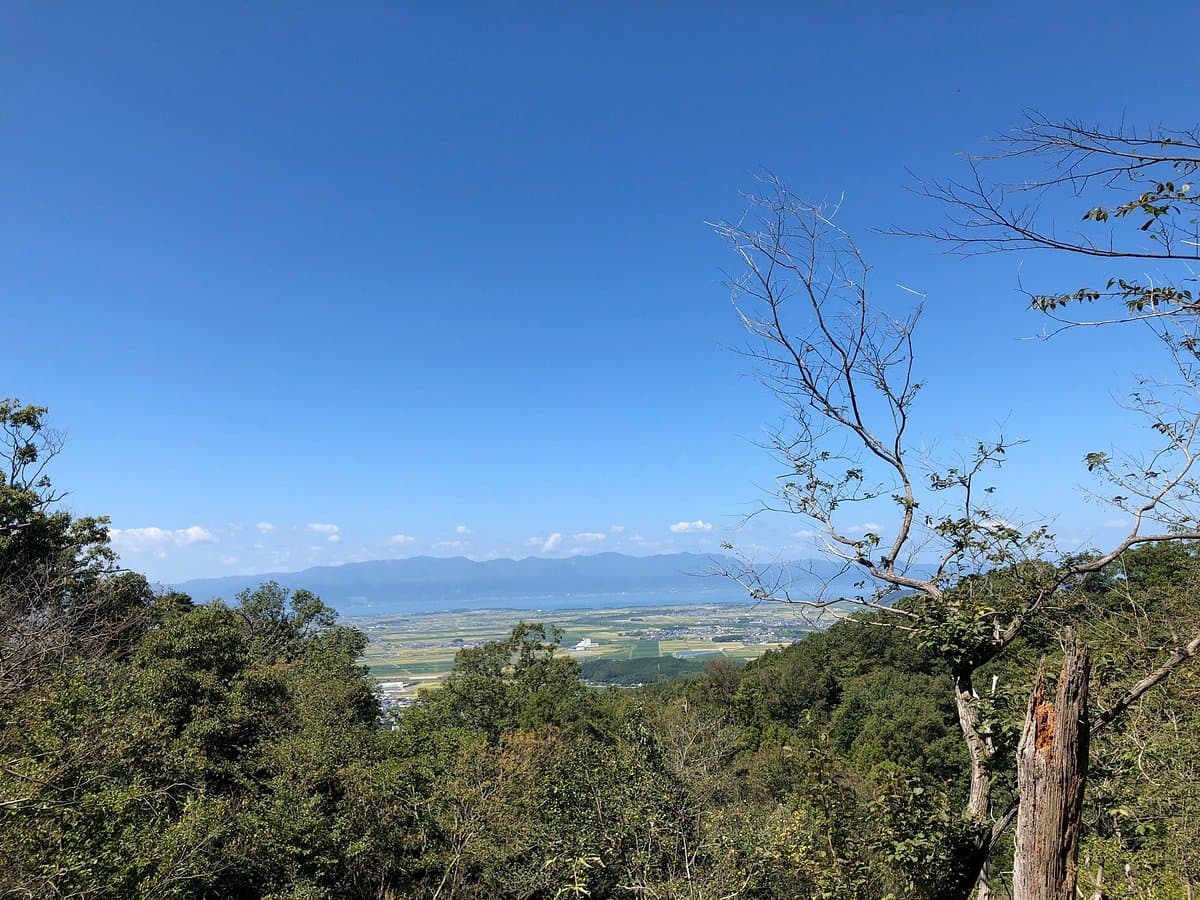
Ryuo-gu is a small, local shrine located in Ryuo-cho, Shiga Prefecture. It serves as a spiritual focal point for the local community, embodying traditional Japanese religious architecture and practices. While it may not possess the grandeur of more famous temples, its significance lies in its role as a quiet place of worship and reflection, offering an authentic, uncrowded experience of Japanese spirituality.
Visitors consistently praise the shrine for its peaceful and well-maintained environment. Reviewers often highlight the sense of tranquility and the opportunity for a quiet moment away from bustling tourist areas. The shrine's modest size contributes to its intimate atmosphere, making it suitable for those who appreciate understated beauty and local cultural immersion rather than grand spectacles. There are no specific warnings from visitors, suggesting a generally positive and uneventful experience.
For a visit to Ryuo-gu, visitors should plan to spend approximately 30 minutes to an hour. This allows ample time to explore the grounds, offer a prayer, and soak in the serene atmosphere. It is best visited during daylight hours to fully appreciate the natural surroundings and architectural details. As it is a shrine, respectful attire is recommended. There are no specific items to bring beyond personal essentials. Given its local nature, it's an ideal stop for those exploring the broader Ryuo-cho area, perhaps as part of a scenic drive or cycling tour.
Ryuo-gu is located at 2390 Kagamiyama, Ryuo-cho, Shiga Prefecture. Public transportation options directly to the shrine may be limited, and visitors often find it more convenient to access by car or taxi. There is typically parking available on site or nearby. For those relying on public transport, researching local bus routes from the nearest train station (such as Omihachiman Station) to Ryuo-cho and then taking a taxi for the final leg would be advisable.
Common complaints are not widely reported for Ryuo-gu, primarily due to its nature as a small, local attraction. The main potential drawback for some visitors might be its relatively remote location and the lack of extensive facilities or English signage, which is typical for smaller, non-major tourist sites. To mitigate this, visitors should ensure they have transportation arranged and consider using translation apps if they wish to understand any Japanese signage.