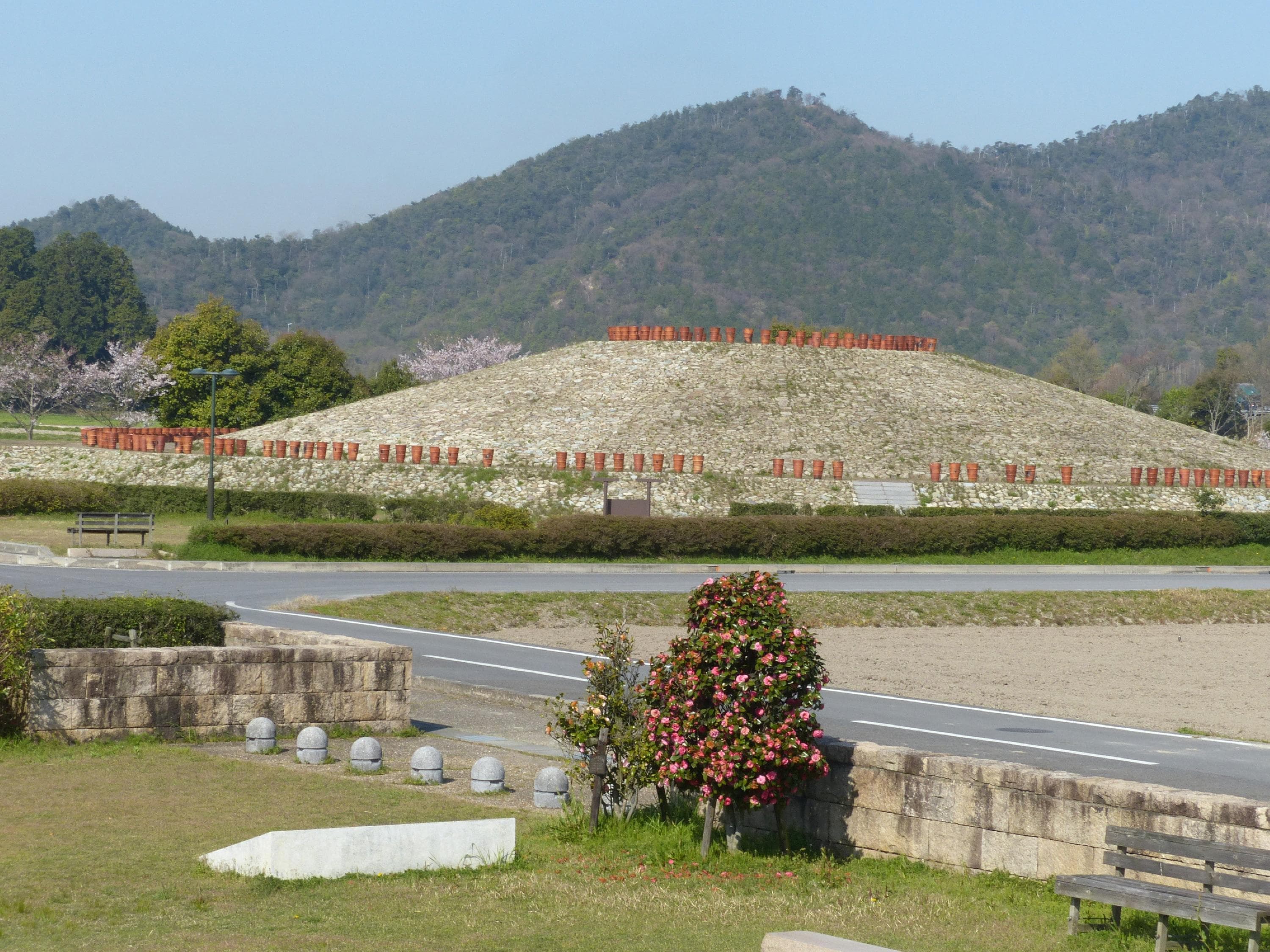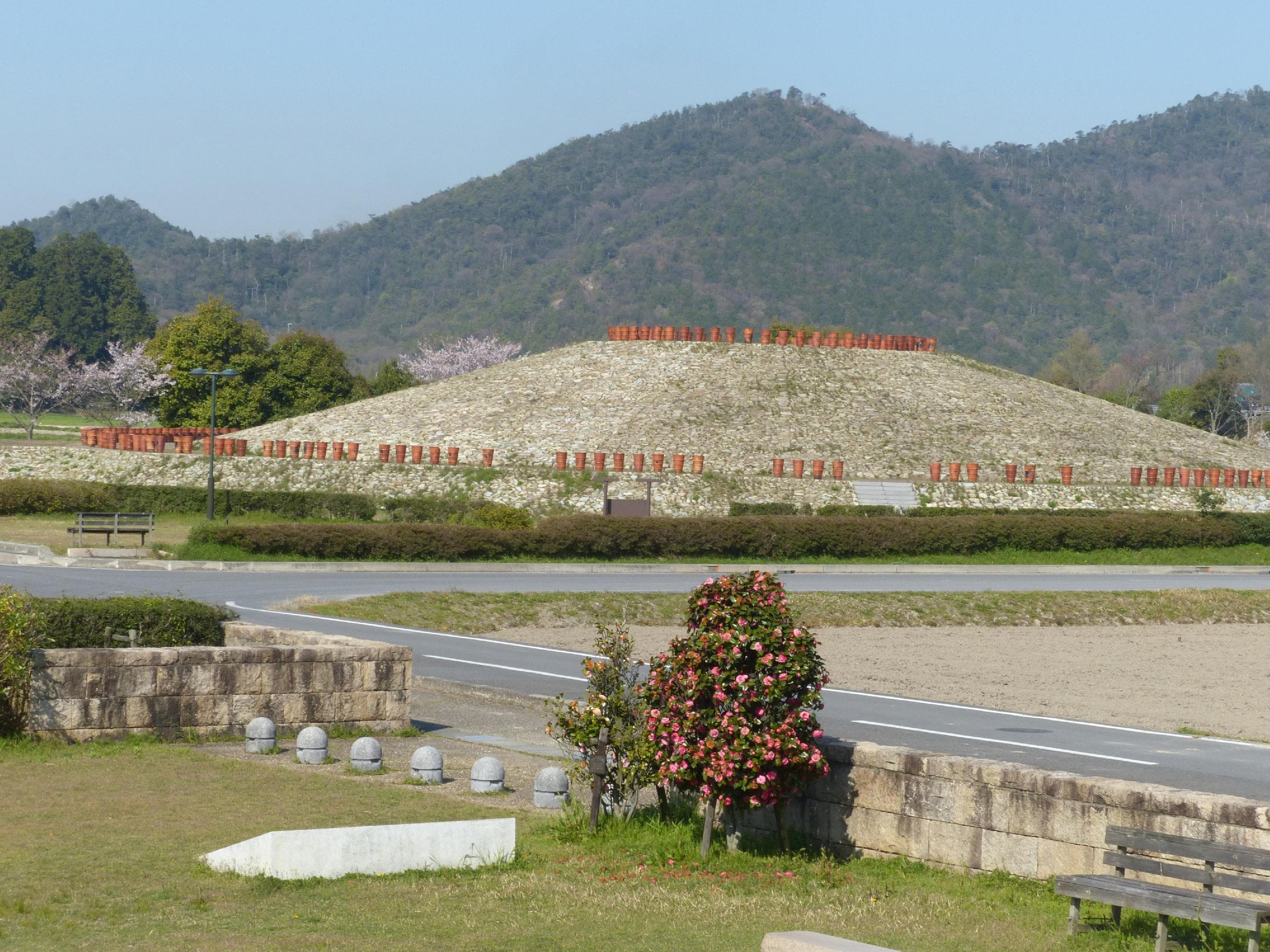
The Mt. Yukino Historic Area Imono-sato is an archaeological site located in Ryuo-cho, Shiga Prefecture, significant for its well-preserved remains of ancient iron casting facilities. It provides crucial insights into the technological advancements and industrial practices of early Japan, particularly during the Kofun period. The site is recognized as a National Historic Site, highlighting its importance in understanding the development of iron production in the region.
Visitor reviews indicate that the site is best appreciated by those with a keen interest in archaeology, history, or metallurgy. Several reviewers mention that without a specific background or strong interest, the site might appear to be just a collection of excavated foundations and explanatory plaques. The information provided is primarily in Japanese, which can be a barrier for international visitors. Those who do engage with the historical context find it a valuable educational experience, offering a tangible connection to Japan's ancient past.
To make the most of a visit, it is advisable to research the site's historical significance beforehand. Consider bringing a translation app if you do not read Japanese, as much of the detailed information is presented in the local language. A visit typically lasts about 1 to 2 hours, depending on your level of interest and how much time you spend reading the interpretive signs. There are no specific facilities or amenities mentioned, so visitors should plan accordingly, bringing water and any necessary provisions.
The site is located in a somewhat rural area. The address is Kawamori, Ryuo-cho, Shiga Prefecture. Public transportation options directly to the site may be limited. Visitors often recommend driving or taking a taxi from a nearby train station, such as Omi-Hachiman Station on the JR Biwako Line, which is a major hub in the area. Parking availability is generally not an issue given its less-frequented nature. It is advisable to check local bus schedules or taxi availability in advance if relying on public transport.
A common complaint among visitors is the lack of English information, which can make it challenging to fully grasp the importance of the site without prior research or a guide. To mitigate this, consider hiring a local guide or utilizing translation tools to access the rich historical context presented on the Japanese signage.