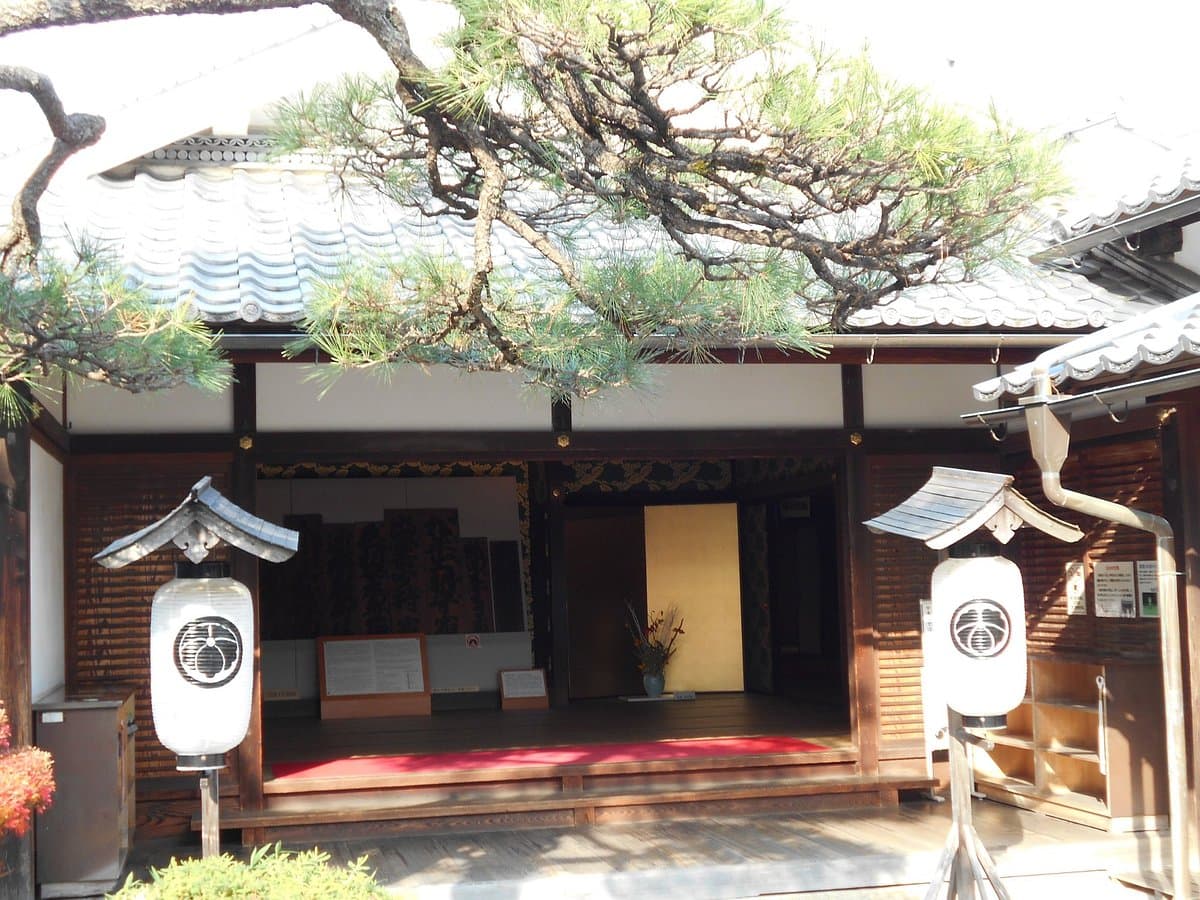
Kusatsujuku Honjin served as a principal inn (honjin) along the Tokaido and Nakasendo roads during Japan's Edo period, specifically for daimyo (feudal lords) and high-ranking government officials. It stands as a significant historical landmark, offering insight into the travel and lodging customs of the era. Its designation as a National Historic Site underscores its importance in preserving the legacy of Japan's ancient highway system.
Visitors frequently praise the historical atmosphere and the opportunity to connect with a tangible piece of Japan's past. Many appreciate the quiet solitude of the site on regular days, allowing for a contemplative experience. However, several reviewers note that the museum section is currently closed due to ongoing long-term repairs, which can limit the interior experience. Despite this, the exterior work has been completed, and the building's facade remains impressive.
For those planning a visit, it's advisable to allocate about an hour to explore the grounds and exterior. If you happen to be in Kusatsu during a local event like the Kusatsu Shukuba Festival, the Honjin becomes a vibrant hub, often offering free admission and a more lively atmosphere. Otherwise, expect a quieter visit. It's recommended to check the official website or local tourism information for updates on the repair status, especially regarding interior access, to manage expectations.
Kusatsujuku Honjin is located in Kusatsu, Shiga Prefecture. While specific public transport details are not consistently mentioned in reviews, Kusatsu Station is a major hub on the JR Biwako Line (Tokaido Main Line) and JR Kusatsu Line. From Kusatsu Station, the Honjin is typically accessible via a short bus ride or a walk, though walking distance is not explicitly detailed in visitor comments. Driving is also an option, but parking availability should be confirmed beforehand.
The primary complaint from recent visitors is the closure of the museum due to repairs. To mitigate disappointment, it's best to go with the understanding that interior access might be limited or unavailable. Focus on appreciating the exterior architecture and the historical context of the site, perhaps combining your visit with other nearby attractions in Kusatsu.