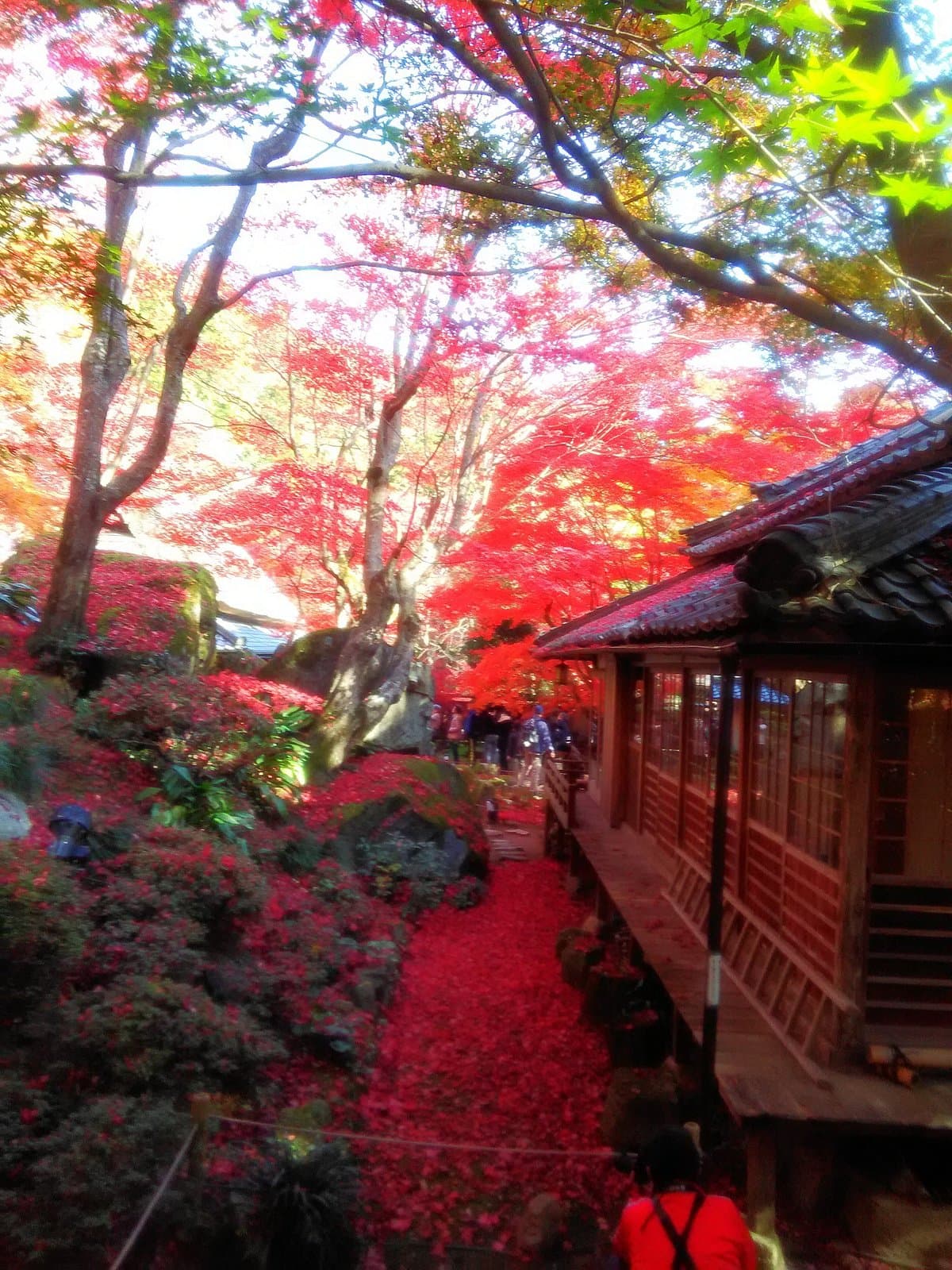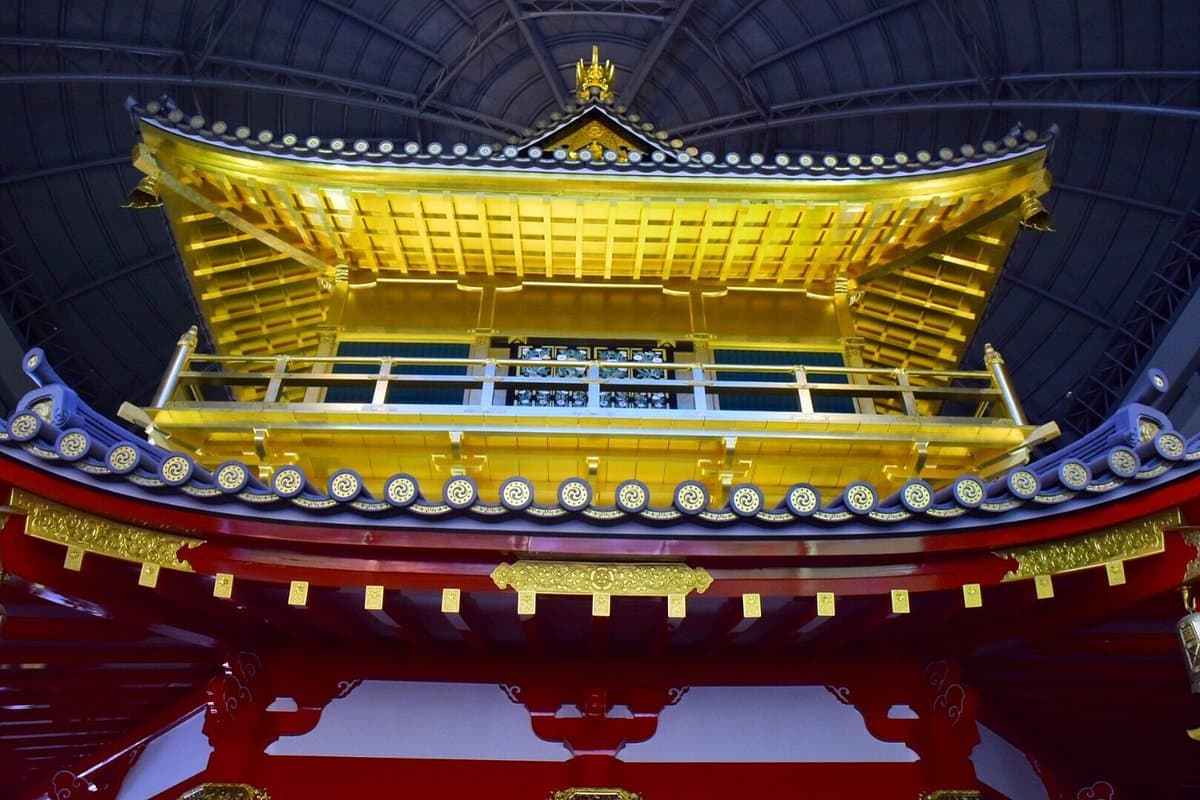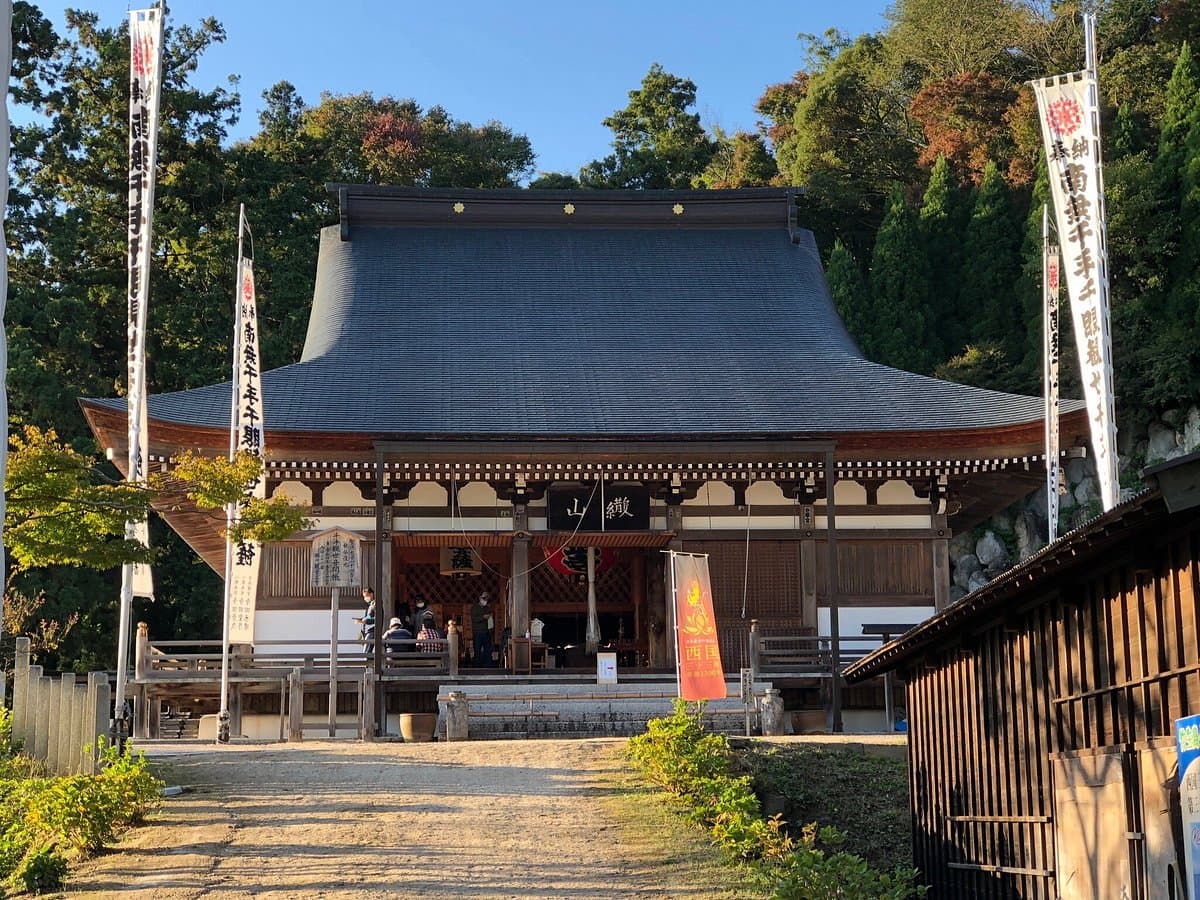
Kannonshoji Temple is a historic Buddhist temple nestled on the slopes of Mount Kinugasa in Omihachiman, Shiga Prefecture. It is known for its tranquil setting, ancient statues, and the panoramic views it offers of Lake Biwa and the surrounding landscape. The temple holds significance as one of the 33 Kannon pilgrimage sites in the Kansai region, attracting pilgrims and visitors seeking spiritual reflection and natural beauty.
Visitors consistently praise the temple for its peaceful and spiritual atmosphere, often describing it as a hidden gem away from the bustling tourist crowds. Many reviewers highlight the stunning views from the temple grounds, particularly of Lake Biwa, which are considered a rewarding payoff for the journey. The historical artifacts and the main hall's serene ambiance are also frequently mentioned as positive aspects. However, a recurring theme in reviews is the challenging access; the temple is situated on a mountain, requiring either a significant hike or a drive up a narrow, winding road. Some visitors note that the facilities are basic, reflecting its ancient and less commercialized nature.
To make the most of your visit, wear comfortable shoes suitable for hiking, as even if you drive, there will be some walking involved on uneven paths. Bringing water, especially during warmer months, is advisable. A visit typically takes about 1.5 to 2 hours, allowing time for the ascent, exploring the temple, and enjoying the views. The best time to visit is during the spring or autumn when the weather is mild and the natural scenery is at its most beautiful. Consider going early in the morning for a more solitary experience and clearer views.
Kannonshoji Temple is located at 2 Azuchicho Ishidera, Omihachiman, Shiga Prefecture. Reaching the temple involves a journey up Mount Kinugasa. While there isn't direct public transport to the temple entrance, visitors can take a train to Azuchi Station (JR Biwako Line). From Azuchi Station, it is possible to take a taxi to the base of the mountain or, for the more adventurous, begin the hike from there. Many visitors opt to drive, but be aware that the mountain road is narrow and steep in places, requiring careful navigation. Parking is available near the temple, though spaces can be limited.
The most common complaint is the difficulty of access, particularly the steep and sometimes poorly maintained path for hikers, and the challenging drive for those coming by car. To mitigate this, plan your visit during daylight hours, ensure your vehicle is suitable for mountain roads if driving, and allocate ample time for the journey. For hikers, consider using trekking poles and checking weather conditions beforehand, as paths can become slippery when wet.