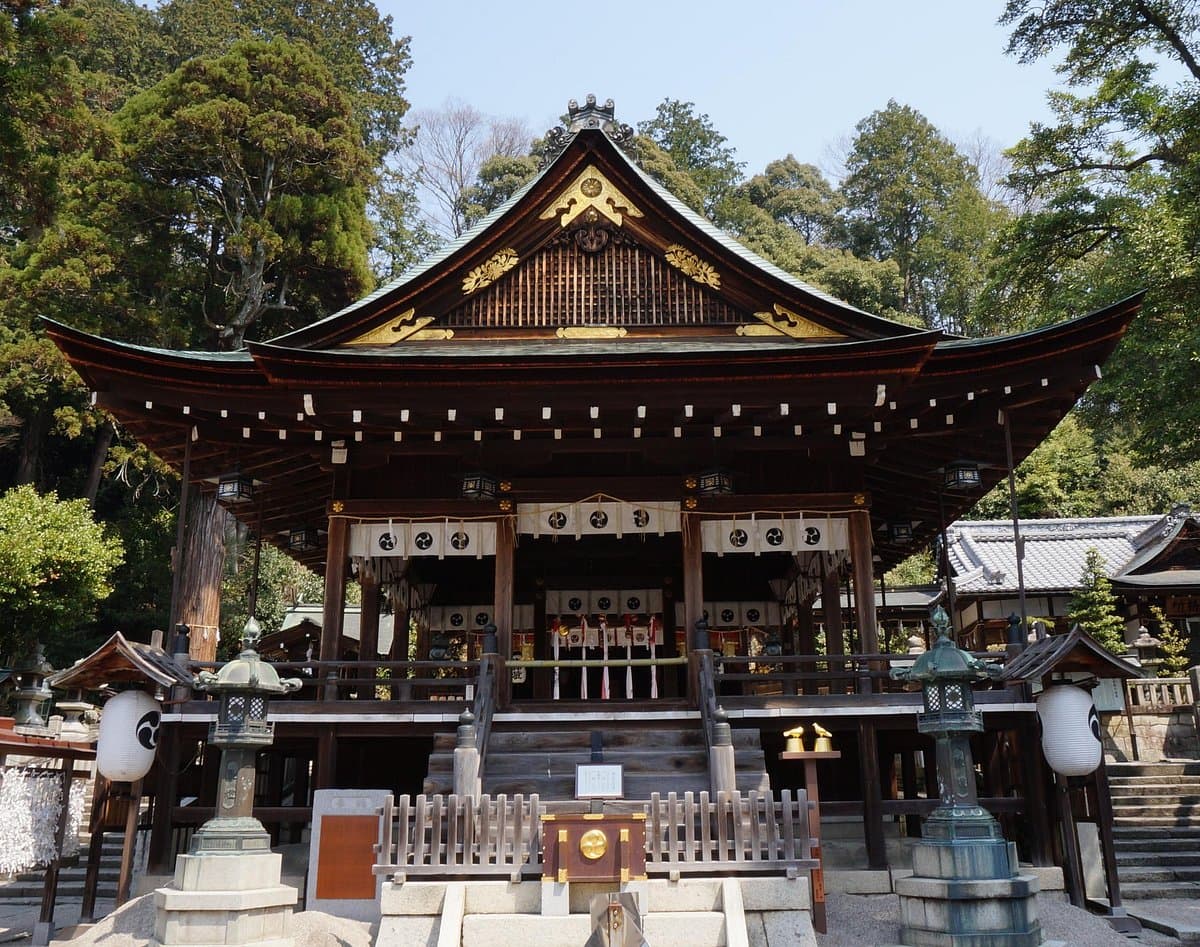
Himure Hachimangu is a historically significant Shinto shrine in Omihachiman, dating back to the Heian period. It is the main shrine of the old Yawata town and is dedicated to the deities Hondawake no Mikoto, Okinagatahime no Mikoto, and Himegami. The shrine is particularly notable for its stately wooden structures, including the main hall, worship hall, and tower gate, which exude a deep sense of history and faith. It also plays a central role in local culture, hosting vibrant festivals like the Sagicho Fire Festival and Taiko drum festivals.
Visitors consistently praise the shrine's beautiful and well-maintained grounds, often highlighting the impressive large torii gate and the historic wooden buildings. Many appreciate the free entry and the opportunity to take numerous photos. The serene atmosphere is frequently mentioned, making it a pleasant place for a short prayer or a peaceful stroll. Reviewers also note the unique appearance of the worship hall, which some describe as resembling a stage, and the interesting wooden lion statues behind the tower gate.
To make the most of your visit, allocate about 1-2 hours to explore the grounds thoroughly, especially if you enjoy photography or wish to observe local worshippers. While the shrine is beautiful year-round, visiting during one of its festivals, particularly the Sagicho Fire Festival in March, can offer a much more dynamic and memorable experience, as several reviewers enthusiastically recommend. Even outside of festival times, the shrine provides a tranquil escape. There are restrooms conveniently located across the street from the shrine.
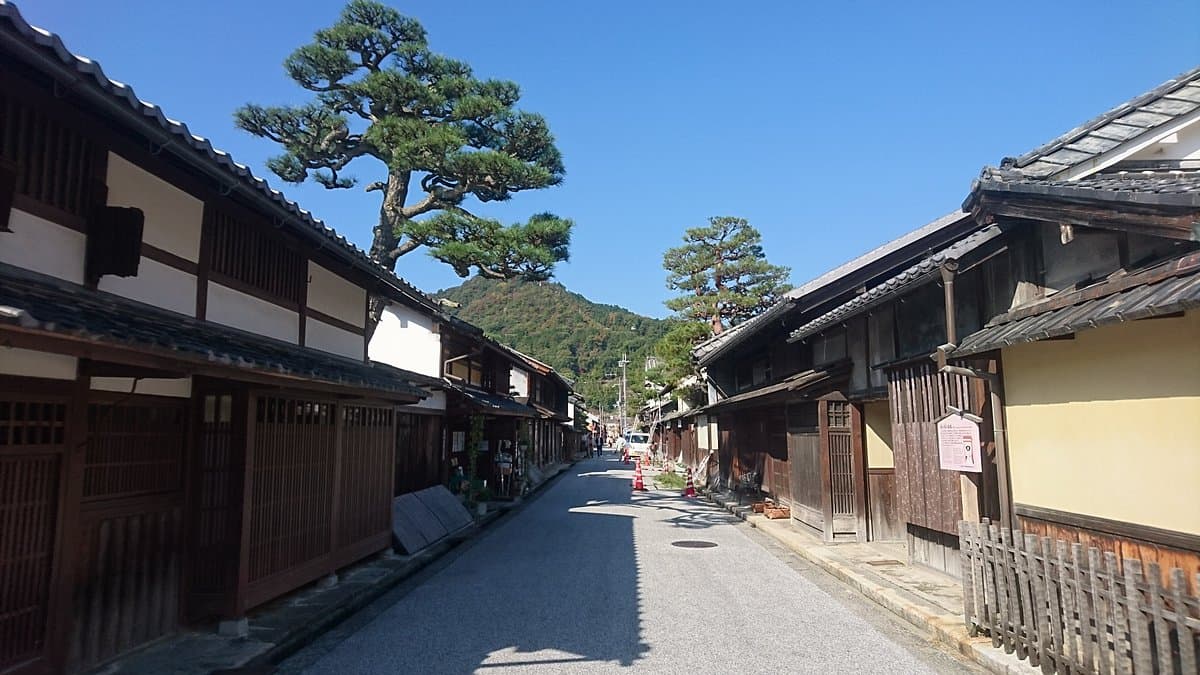
Himure Hachimangu is easily accessible and well-integrated into the Omihachiman tourist circuit. It is located very close to the Hachimanbori canal and is just one block away from the ropeway boarding area for Mount Hachiman. Many visitors combine a visit to the shrine with exploring the townscape of Omihachiman. For those driving, there is a large and convenient parking lot along the approach, directly across the road from the shrine, which many reviewers found very helpful. The shrine's proximity to the tourist center and local shops like Taneya-san also makes it a convenient stop.
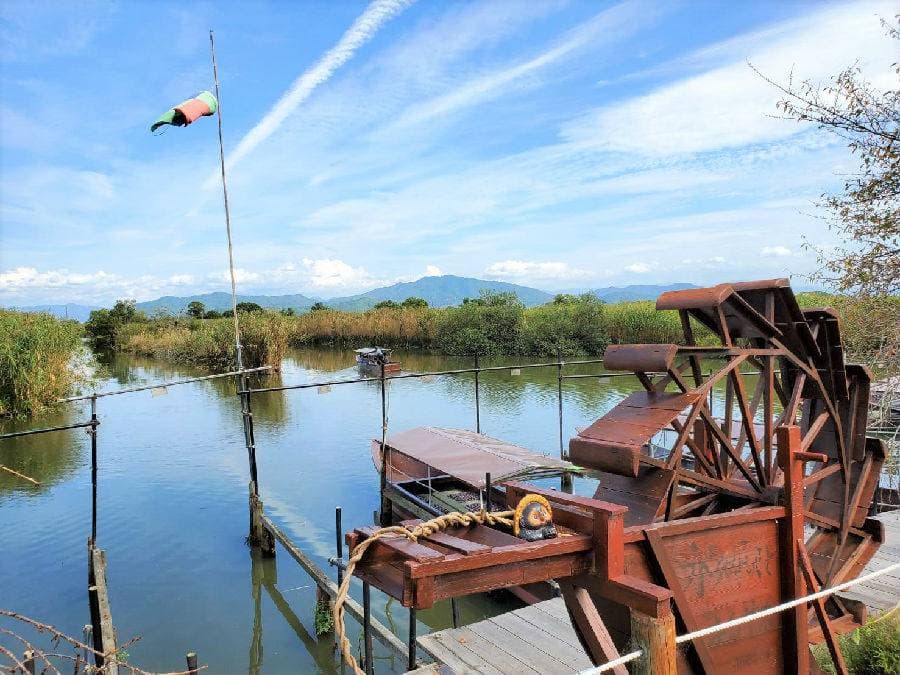
Some visitors have noted that without a festival, the shrine might seem less engaging for those seeking more active attractions, with some feeling there isn't much to do beyond a quick look. To mitigate this, consider researching the shrine's festival schedule in advance or combine your visit with other nearby attractions like the Hachimanbori canal boat rides or the Mount Hachiman ropeway to create a fuller itinerary. While the purpose of some shrine elements, like a horse statue, might not be immediately apparent, the overall historical and architectural beauty remains a strong draw.