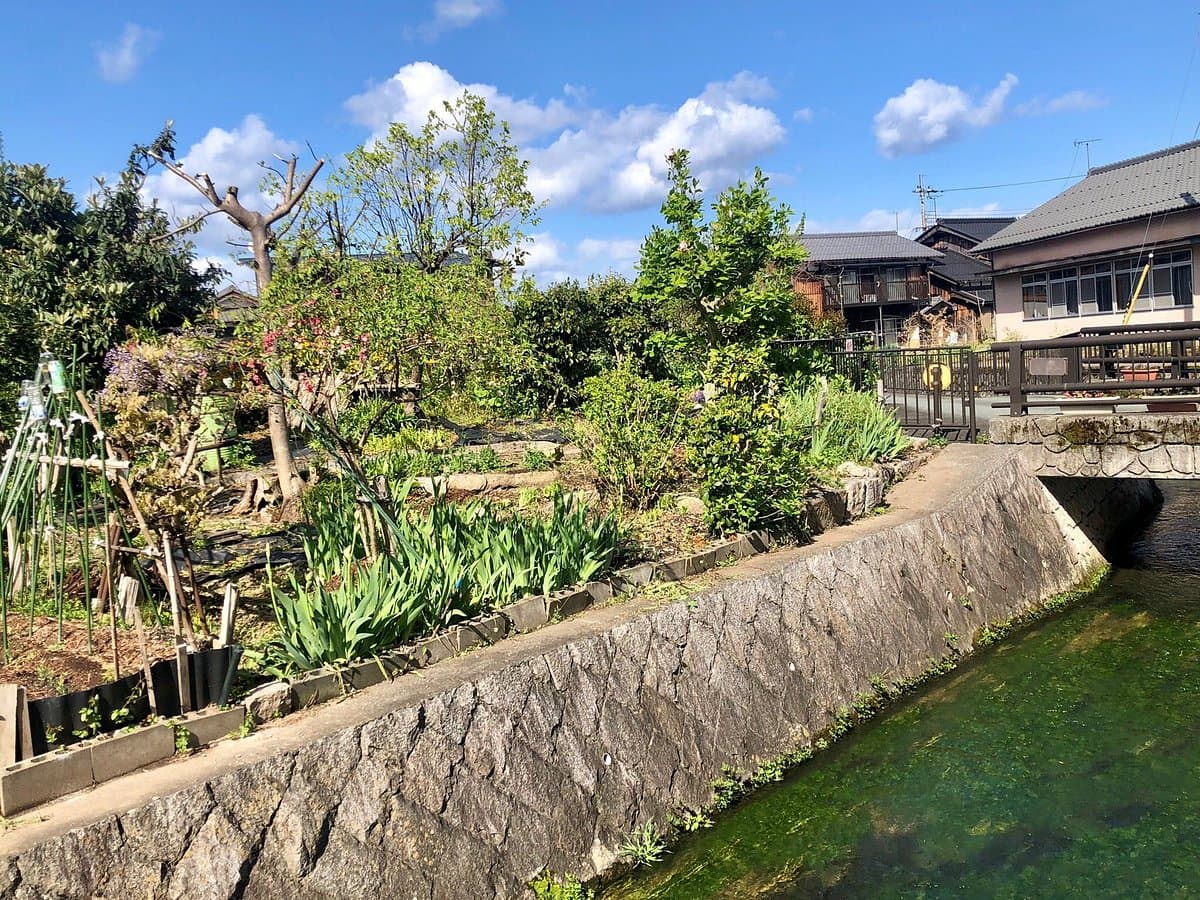
Harie Shozu no Kabata is a remarkable village in Takashima, Shiga Prefecture, renowned for its unique and ancient water system. This system, known as "kabata," channels fresh spring water directly into villagers' homes, where it is used for drinking, washing, and even for raising carp that help purify the water by eating food scraps. It represents a living example of sustainable living and a deep respect for natural resources, offering visitors a rare insight into traditional Japanese rural life and ingenious ecological practices.
Visitors consistently praise the incredible freshness and purity of the water, with many noting they could drink directly from the kabata. The cultural experience of seeing this centuries-old system still in active use is a major highlight. Reviewers often describe the village as wonderful and amazing, appreciating the unique culture and the opportunity to witness such a harmonious relationship between humans and nature. The presence of fish, tofu, and sake, often mentioned in conjunction with the fresh water, adds to the local charm.
To fully appreciate the site, a guided tour is highly recommended. Several visitors mention booking tours, some specifically with English-speaking guides, which greatly enhances the understanding of the complex water system and local customs. While some pamphlets might lack English translations, the overall experience is still enjoyable. It is advisable to allocate at least 2-3 hours for a visit to allow for a comprehensive tour and to soak in the peaceful atmosphere. Bringing a reusable water bottle to fill with the fresh spring water is a practical tip.
Harie Shozu no Kabata is located in Shin-asahicho Harie, Takashima. While specific public transport details are not consistently mentioned in reviews, visitors often arrange tours that include transportation, suggesting it might be less straightforward to access independently via public transit. It is advisable to research local bus routes from Takashima or Shinasahi stations, or consider a taxi. Many visitors come as part of a day trip from Kyoto, often facilitated by local tour guides.
A common point raised by some visitors is the language barrier, particularly concerning detailed explanations during tours if an English-speaking guide is not secured. To mitigate this, it is strongly recommended to book a tour with an English-speaking guide in advance. This ensures a deeper understanding of the intricate water system and the cultural significance of the kabata, preventing any feeling of missing out on crucial information.