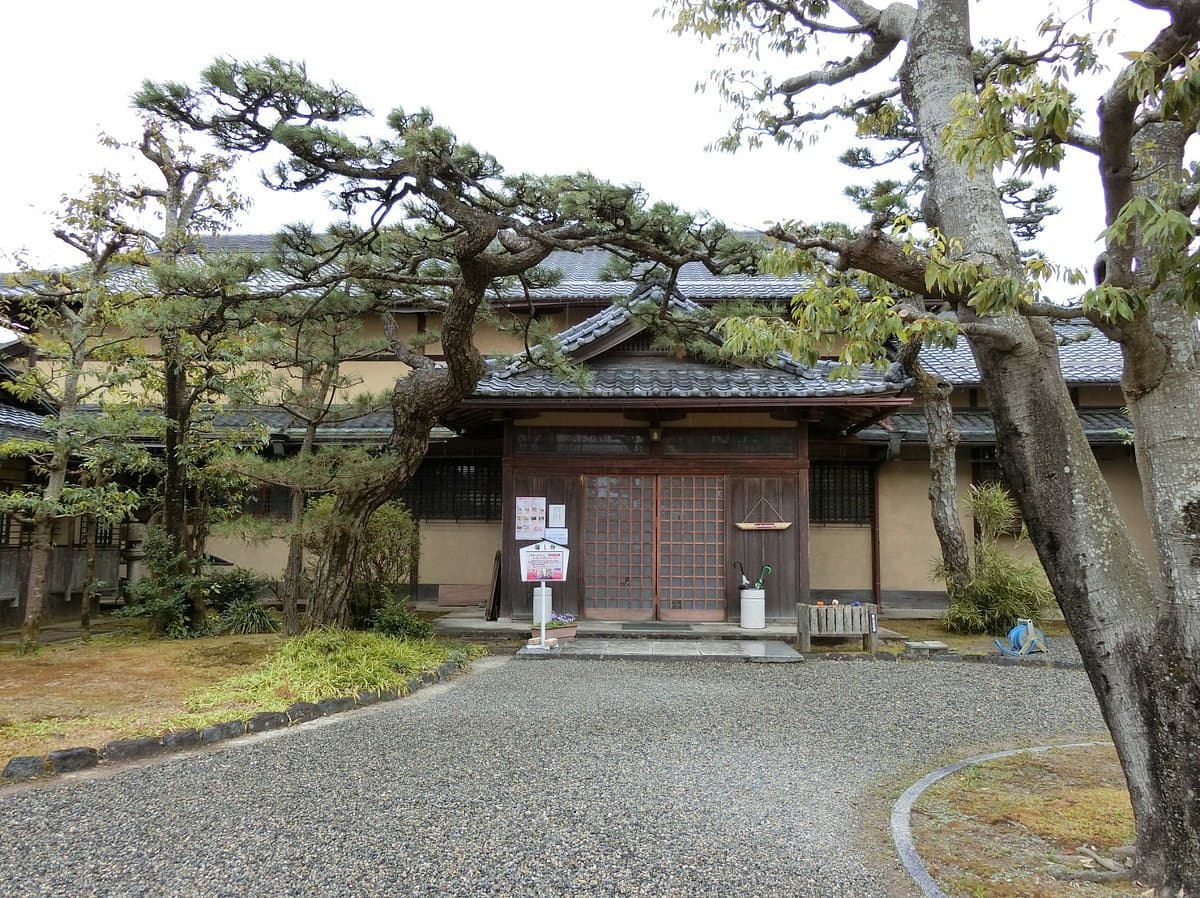
Gokashokondo Street, located in Higashiomi, Shiga Prefecture, is a historically significant district renowned for its beautifully preserved traditional merchant houses, known as Omi-shonin residences. These homes, many of which are still inhabited, offer a tangible connection to Japan's Edo period and the prosperous Omi merchants who once thrived here. The area's charm is further enhanced by the network of canals that wind through the district, reflecting the architectural beauty and contributing to a serene atmosphere.
Visitors consistently praise the street's tranquil ambiance and the opportunity to experience a slice of old Japan away from the bustling tourist crowds. Many reviewers highlight the unique architectural style of the merchant houses, with their distinctive white walls and dark wooden accents, and appreciate the chance to explore some of the residences that are open to the public. The canals are frequently mentioned as a picturesque element, especially when adorned with seasonal flora like cherry blossoms or autumn leaves, making it a popular spot for photography. The overall sentiment is one of peaceful discovery and cultural immersion.
To make the most of a visit, it is recommended to allocate 1 to 2 hours for a leisurely stroll and perhaps a visit to one of the open houses or museums. Bringing a camera is advisable due to the scenic beauty. Reviewers suggest visiting during spring or autumn for the best natural scenery, though the area retains its charm year-round. Comfortable walking shoes are essential as exploration is primarily on foot. While there are a few small shops and cafes, it's wise to plan for meals elsewhere if staying for an extended period.
Gokashokondo Street is accessible by public transport, though it requires some planning. The nearest major train station is Omihachiman Station on the JR Biwako Line. From Omihachiman, local buses or taxis can take visitors to the Gokasho area. Driving is also an option, and some parking facilities are available nearby, though they might be limited during peak seasons. The area itself is best explored on foot, allowing visitors to fully appreciate the intricate details of the architecture and the peaceful canal-side paths.
A common observation from visitors is the relatively quiet nature of the area, which some might find too subdued if expecting a lively tourist hub. To mitigate this, it's best to approach Gokashokondo as a place for quiet contemplation and appreciation of history rather than a bustling attraction. Some reviewers also note that information in English can be limited in certain establishments, so having a translation app or basic Japanese phrases might be helpful.