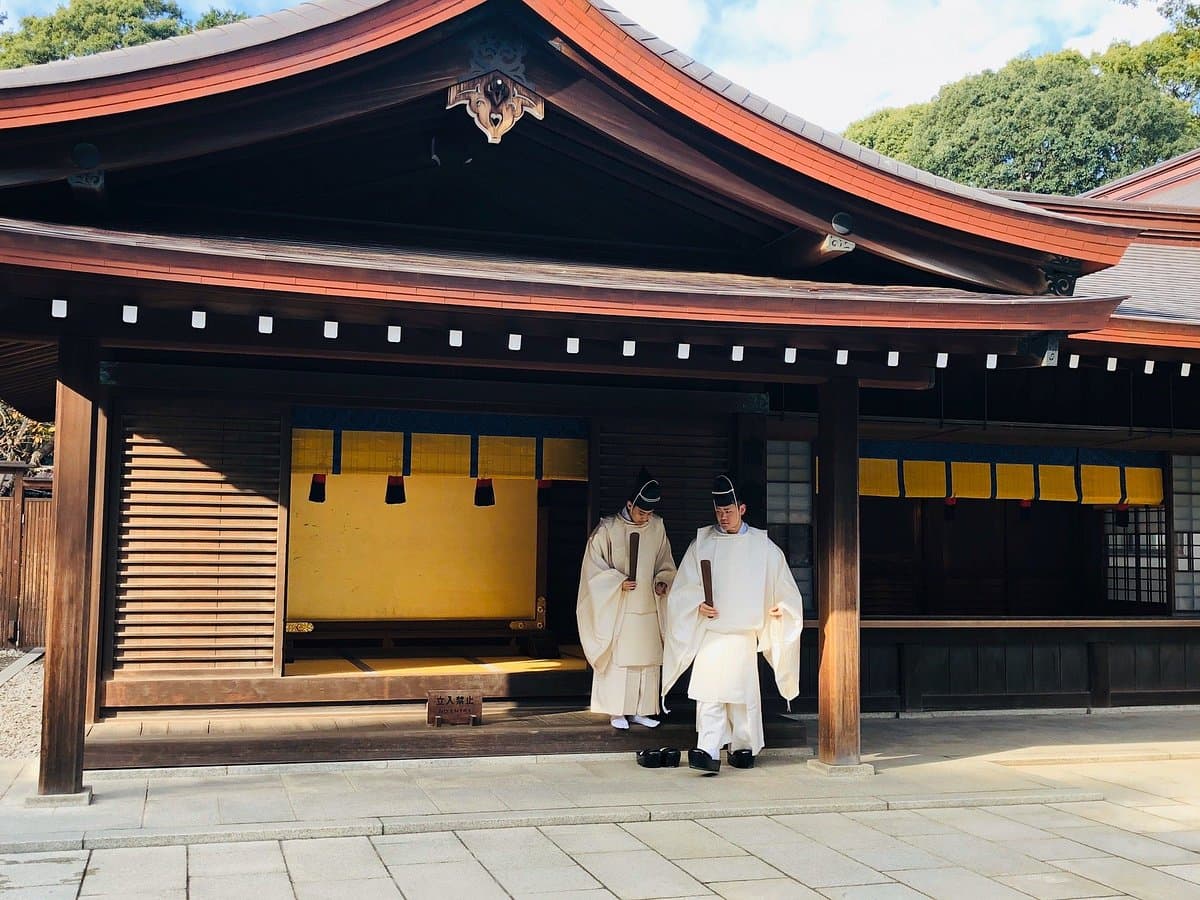
Meiji Jingu Shrine is a significant Shinto shrine dedicated to the deified spirits of Emperor Meiji and his wife, Empress Shoken. Completed in 1920 and rebuilt after WWII, it stands as a testament to Japan's modernization and cultural heritage. Unlike older temples, its relatively recent construction and vast, man-made forest make it a unique and important site in Tokyo, offering a profound sense of peace amidst the urban sprawl.
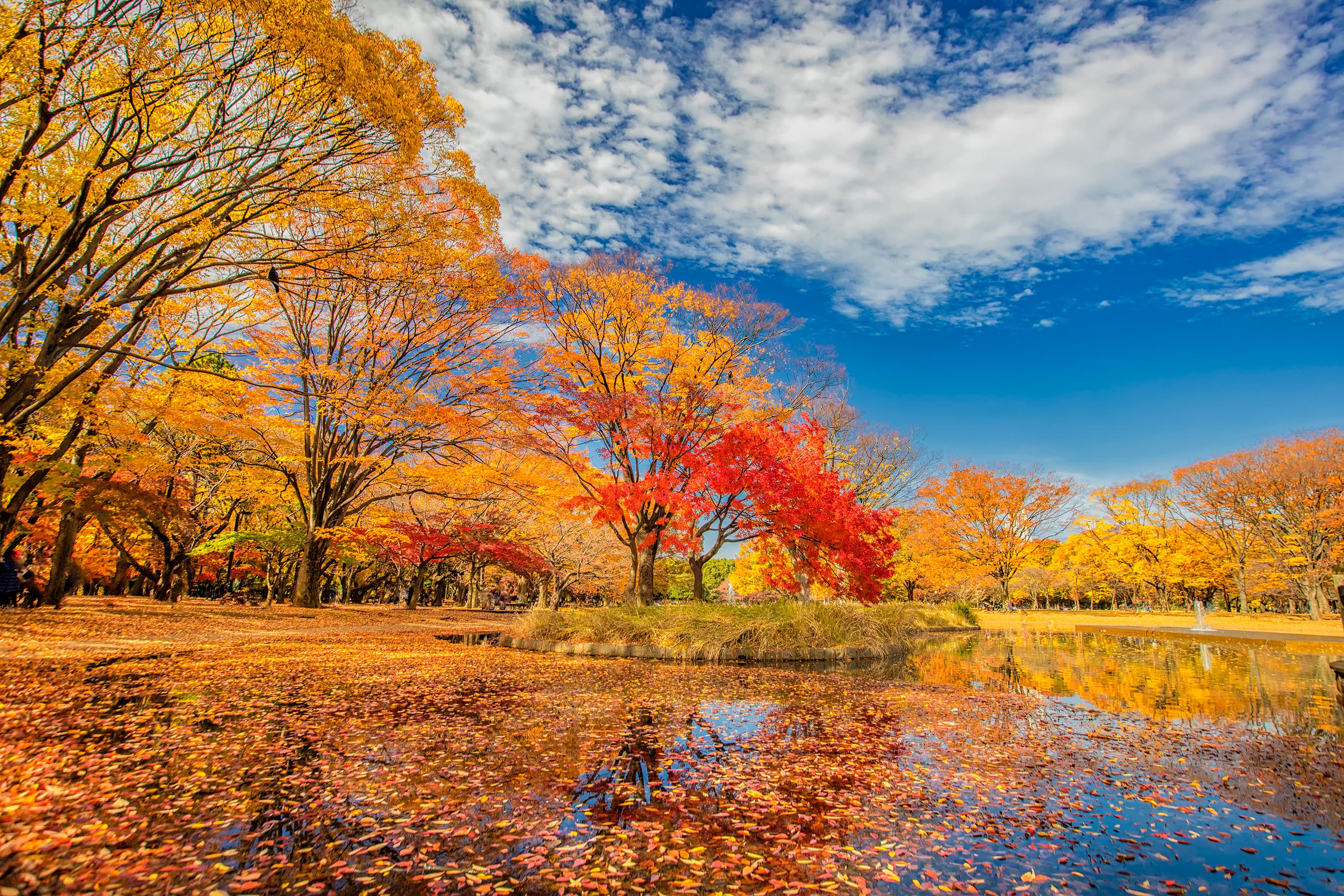
Visitors consistently highlight the shrine's ability to transport them away from the city's hustle and bustle. The long, forested approach, marked by massive torii gates, is frequently described as 'magical,' 'serene,' and 'peaceful.' Many reviewers appreciate the opportunity to witness traditional Japanese weddings or other ceremonies, which adds to the cultural richness of the visit. The displays of sake and wine barrels are also a popular photo opportunity and a point of interest. While the shrine itself is noted for its elegant simplicity, the overall experience of walking through the expansive, well-maintained grounds is what truly captivates visitors.
To make the most of your visit, plan to spend at least 1-2 hours exploring the grounds. Many recommend arriving early in the morning, ideally before 9 AM, to experience the shrine in a quieter, less crowded state, as it can get very busy, especially on weekends and holidays. Wear comfortable shoes, as there is a significant amount of walking on gravel paths. While the main shrine area is free to enter, there is a small 500 yen fee for the Inner Garden (Iris Garden), which is particularly beautiful when irises are in bloom. Reviewers suggest checking the blooming season if you are keen on seeing the irises. Photography is generally allowed on the grounds but strictly prohibited inside the main shrine buildings.
Meiji Jingu Shrine is exceptionally accessible by public transport. It is conveniently located near several major stations. The closest stations are Harajuku Station (JR Yamanote Line) and Meiji-jingumae 'Harajuku' Station (Tokyo Metro Chiyoda Line and Fukutoshin Line). From these stations, it's a short, pleasant walk through the forest to the main shrine. Some visitors also mention entering from the north side via Sangubashi Station, which can offer a different approach. The shrine's proximity to popular areas like Harajuku and Shibuya makes it an easy addition to a Tokyo itinerary.
A common complaint among some visitors, particularly those who have seen many other shrines in Japan, is that the main shrine building itself can appear less ornate or 'impressive' compared to older, more elaborate temples. Additionally, during peak times, the crowds can detract from the sense of tranquility. To mitigate this, consider visiting on a weekday or very early in the morning. While some reviewers noted shops selling items, which they felt detracted from the sacred atmosphere, these are generally confined to specific areas and do not significantly impact the overall experience if you focus on the natural surroundings and the main shrine.