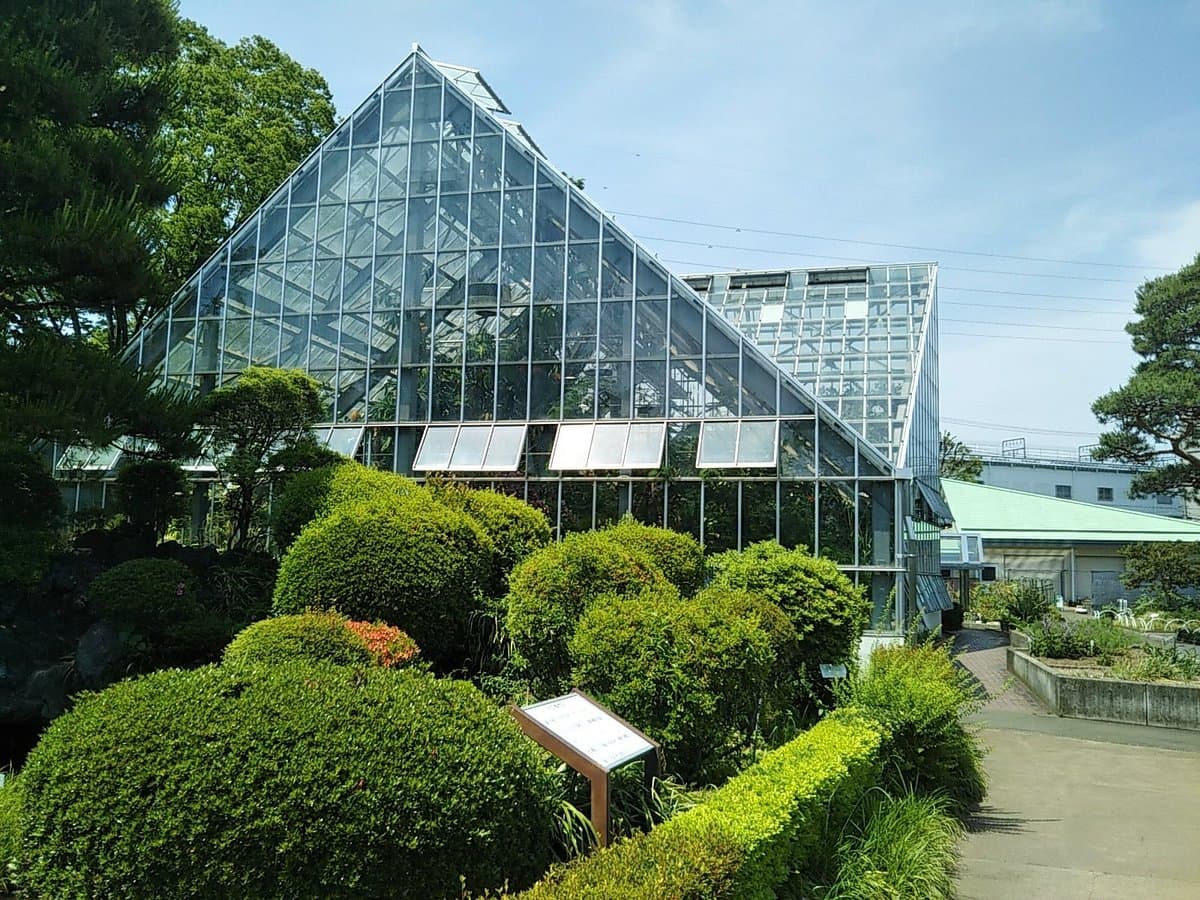
The Tokyo Medicobotanical Garden, established in 1946, is a distinctive seven-acre herbarium in Kodaira, Tokyo, dedicated to plants with medicinal properties. It stands out from typical botanical gardens by focusing on the scientific and historical aspects of over 1,600 plant species, ranging from traditional Chinese medicine ingredients to modern pharmaceutical sources and even culinary herbs. Its significance lies in its educational mission and its unique role as the site of Tokyo's only legal cultivation of opium poppies and cannabis for research.
Visitors consistently praise the garden for its unusual and educational exhibits. Reviewers highlight the rare opportunity to see plants like opium poppies blooming in mid-May, which is a very uncommon sight in Japan. The section with cannabis plants, though under lock and electrical wire, also draws considerable interest. Many find the 'Garden of Poisonous Plants' particularly fascinating, offering a different perspective on flora. The museum on-site, with its interesting facts and historical posters, adds another layer to the experience, making it more than just a walk through greenery.
To make the most of your visit, plan to spend around 1-2 hours exploring the various sections and the museum. The garden is open from Tuesday to Sunday, with mornings often being less crowded. It's advisable to bring comfortable walking shoes and, if visiting in mid-May, to specifically look out for the opium poppies. There is no entry fee, making it an accessible and budget-friendly option. While the garden is not a major tourist hub, its specialized focus makes it a rewarding stop for those interested in botany, pharmacology, or unique attractions.
The garden is located at 21-1 Nakajimacho, Kodaira, Tokyo Prefecture. While specific public transport details are not widely reviewed, Kodaira is accessible via the Seibu Shinjuku Line. From Kodaira Station, it would likely require a local bus or a walk to reach the garden. As it's in the western suburbs, driving might be an option for those with a car, though parking availability should be checked beforehand.
Common complaints are rare, but some visitors might find the garden's specialized nature less appealing if they are expecting a more traditional, aesthetically focused botanical garden. The strict security around the cannabis and opium sections means these plants are viewed from a distance, which some might find restrictive. To mitigate this, approach the visit with an open mind, focusing on the educational value and the rarity of the exhibits rather than expecting a purely scenic experience.