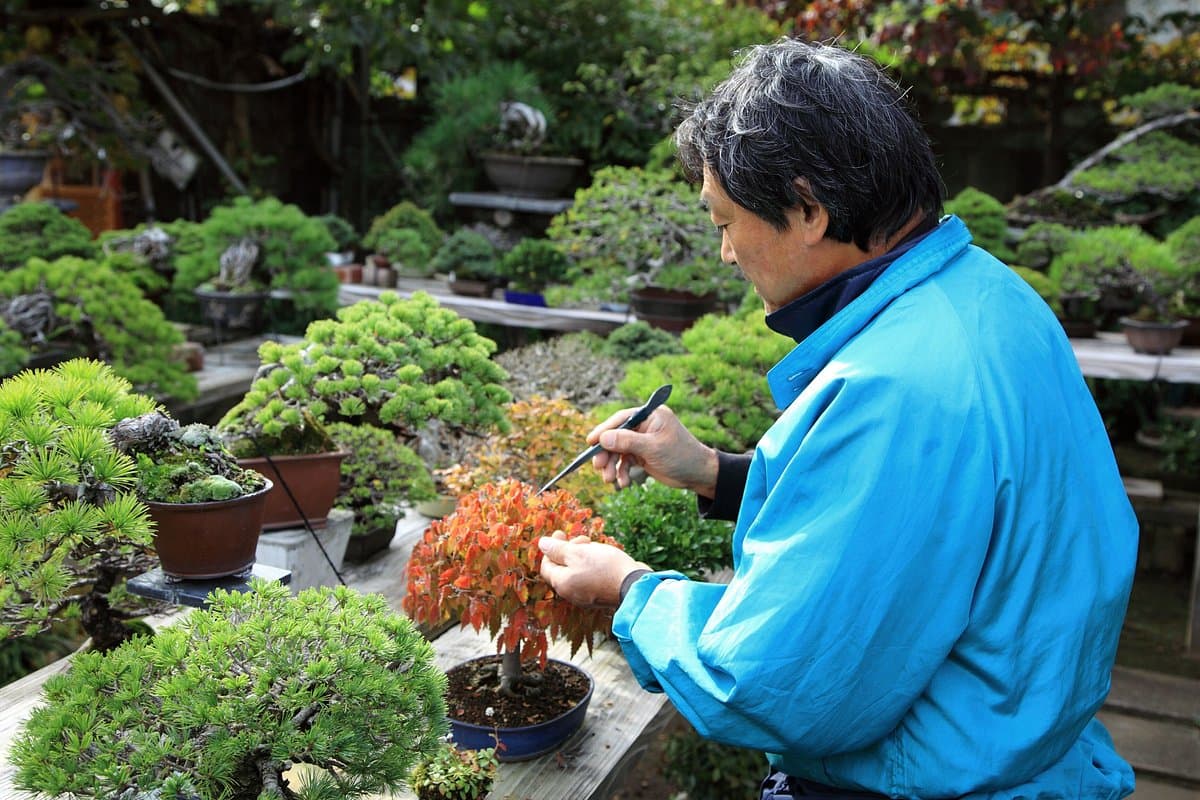
Omiya Bonsai Village is a historically significant area established after the Great Kanto Earthquake, providing a haven for bonsai traders and enthusiasts. It is renowned globally as a center for the art of bonsai, offering a unique opportunity to explore both a dedicated museum and numerous private gardens.
Visitors consistently praise the tranquil atmosphere and the exceptional quality of the bonsai trees, some of which are hundreds of years old. Many highlight the Omiya Bonsai Art Museum as a well-curated starting point, offering English explanations and friendly staff. Reviewers frequently mention the joy of discovering the various private nurseries, even if not all are open on any given day. The village provides a welcome escape from the hustle and bustle of Tokyo, with its quiet residential streets and beautiful displays.
To make the most of your visit, allocate a half-day to a full day, especially if you plan to explore multiple nurseries in addition to the museum. Reviewers suggest visiting on a weekend for a livelier atmosphere, though some note that not all private gardens are open daily. It's advisable to obtain a map from the Bonsai Art Museum to navigate the village, as some nurseries can be easy to miss. While some reviewers mention the high cost of purchasing bonsai in Japan, simply observing the artistry is free in most nurseries. Bring comfortable walking shoes, as you'll be strolling through residential streets.
The village is easily accessible by public transport. Many visitors recommend taking the JR Utsunomiya Line (or JR Shonan-Shinjuku Line) from Ueno or Shinjuku Station to Toro Station, which is about a 10-minute walk from the Bonsai Art Museum and the village. Alternatively, you can take the Tobu Urban Park Line to Omiya Koen Station, also a short walk away. Reviewers note that staff at railway stations are generally helpful with directions. Driving is not typically recommended due to the excellent public transport links and the pleasant walking environment.
A common complaint is that some private nurseries may be closed or difficult to find. To mitigate this, visitors suggest checking opening hours in advance if possible, and always starting at the Bonsai Art Museum for the most up-to-date information and a village map. While some express disappointment if only a few nurseries are open, many still find the overall experience worthwhile due to the museum's collection and the beauty of the trees that are on display.