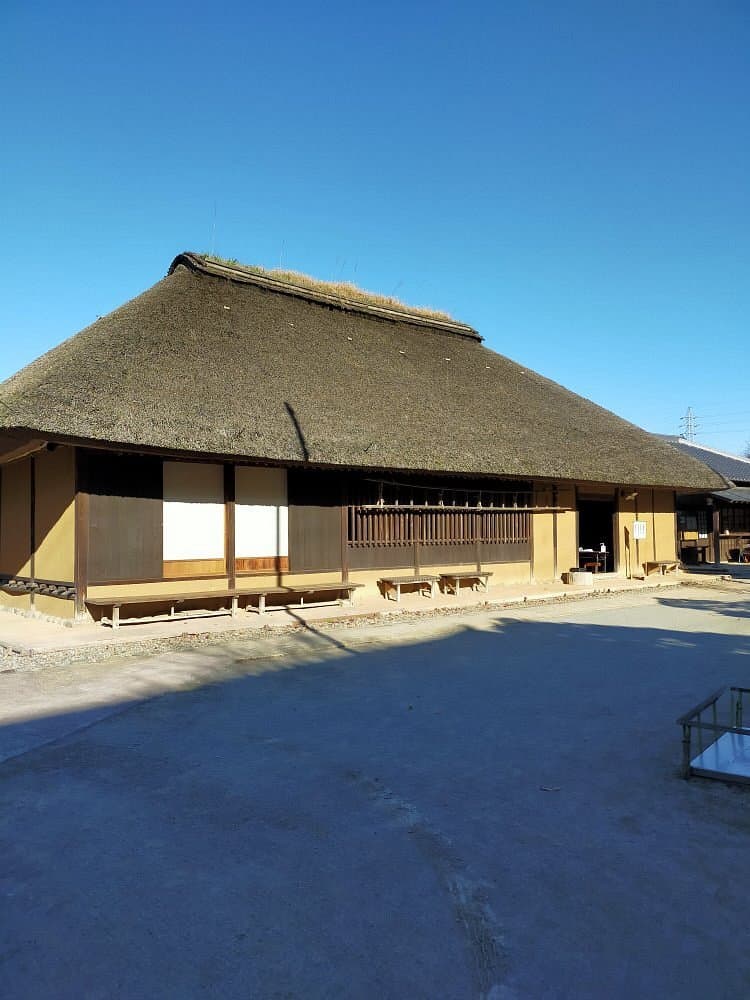
The Niikura Furusato Minkaen is a historical site featuring a meticulously preserved farmhouse from the mid-Edo period. Originally belonging to the Tomioka family, this significant structure was relocated to its current site to save it from demolition during the construction of an outer ring road. It serves as a tangible link to Japan's architectural heritage, showcasing traditional building techniques and the lifestyle of past centuries.
Visitors consistently praise the unique opportunity to step inside a genuinely old Japanese house. Reviewers highlight the impressive construction, noting the use of solid pine (Matsu) and cedar (Hinoki) wood columns, and the thick, straw-like thatched roof. The house's earthquake-proof design is also a point of interest, demonstrating the advanced engineering of the era. The ability to remove shoes and walk on the wooden floors provides an immersive experience, allowing for a closer appreciation of the craftsmanship.
To make the most of a visit, plan to spend approximately one to two hours exploring the farmhouse. It is advisable to wear comfortable shoes that are easy to slip on and off, as visitors are expected to remove their footwear before entering the house. The site is generally quiet, offering a peaceful experience away from more crowded tourist spots. There are no specific warnings about what to skip, as the main attraction is the house itself.
The Niikura Furusato Minkaen is located at 2−33−1 Shimoniikura, Wako, Saitama Prefecture. While specific public transport details are not extensively mentioned in reviews, Wako City is accessible via the Tokyo Metro Yurakucho Line and Fukutoshin Line, as well as the Tobu Tojo Line. From Wako-shi Station, local buses or a taxi would likely be required to reach the Minkaen, or a walk if it is within a reasonable distance. Driving might be an option for those with a car, though parking availability is not specified in visitor comments.
Common complaints are not widely reported for this attraction, likely due to its niche appeal. However, visitors should manage expectations regarding its size; it is a single farmhouse, not an extensive village or museum complex. Those seeking a grand, bustling attraction might find it too quiet or small. Its primary value lies in its authenticity and historical significance rather than large-scale entertainment.