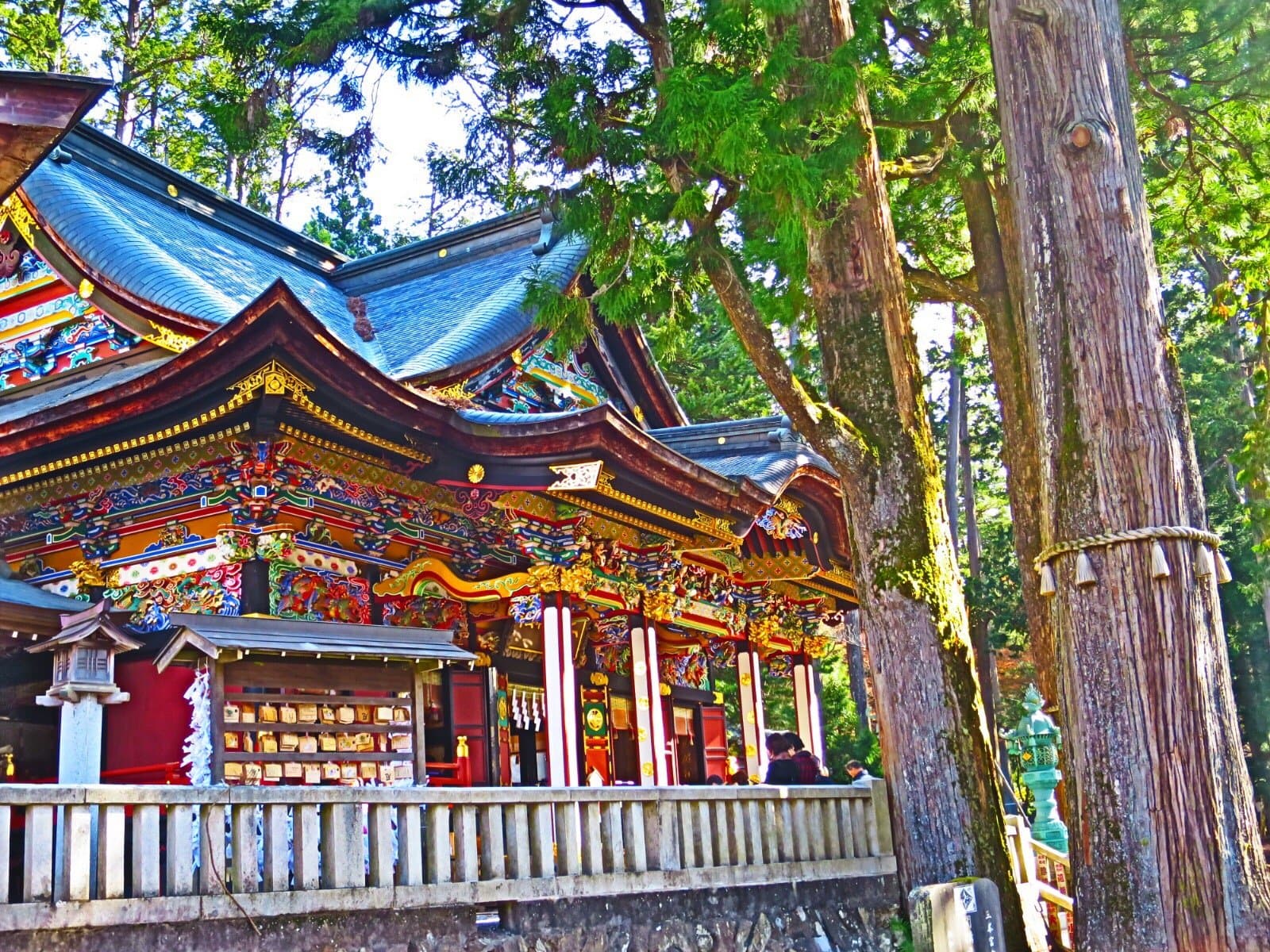
Mitsumine Shrine is one of Japan's most historically significant and spiritually potent Shinto shrines, deeply rooted in mountain worship and the veneration of wolves as divine messengers. Located in the remote mountains of Chichibu, it is considered a major 'power spot' in the Kanto region, attracting pilgrims and tourists seeking spiritual rejuvenation and connection with nature. Its ancient origins, reportedly dating back nearly 2,000 years, and its unique association with Japanese wolves, set it apart from many other shrines.
Visitors frequently praise the shrine's mystical atmosphere, noting a distinct change in the air upon passing through the torii gates. Many describe the experience as solemn, tranquil, and deeply spiritual, particularly when the mountain is shrouded in fog or during the vibrant autumn foliage season. The natural beauty of the surrounding cedar forests and mountain views are consistently highlighted as major draws. Reviewers often mention the impressive carvings on the main worship hall (Haiden) and the unique white torii. The opportunity to touch the sacred tree is also a memorable experience for many.
To make the most of your visit, wear comfortable shoes suitable for walking on steps and slopes, as the shrine complex is spread across the mountaintop. Many recommend arriving early, ideally around 8 AM when the shrine opens, especially on weekends and holidays, to avoid traffic congestion and secure parking. A visit typically takes 2-3 hours to explore the various facilities, including the main hall, smaller shrines, and surrounding nature. Consider bringing water and snacks, as options might be limited. Autumn is frequently cited as the best time to visit due to the stunning fall colors, though it can also be crowded.
Reaching Mitsumine Shrine requires a significant journey. The most common public transport route involves taking a train to Seibu Chichibu Station (about 1.5 hours from Ikebukuro by express train) and then a local bus for another 1 hour and 15 minutes. Reviewers emphasize that the bus ride involves winding mountain roads, which might be challenging for those prone to motion sickness. For those driving, a rental car offers more flexibility, but be aware of potential road closures and heavy traffic, especially on weekends. The road from Futase Dam can be narrow, making it difficult for cars to pass each other. Parking is available, but fills up quickly during peak times. Some adventurous visitors have even walked from the closest train station, Mitsumineguchi, which is a challenging 5-6 km on asphalt roads followed by a 3+ km climb.
The primary complaint among visitors is the shrine's difficult accessibility and the potential for severe traffic jams on the single mountain road leading to it. To mitigate this, plan your visit for a weekday or arrive very early on a weekend/holiday. If using public transport, allocate a full day for the trip. Some tour operators offer bus tours from Shinjuku, which can simplify logistics, though these are often geared towards Japanese speakers.