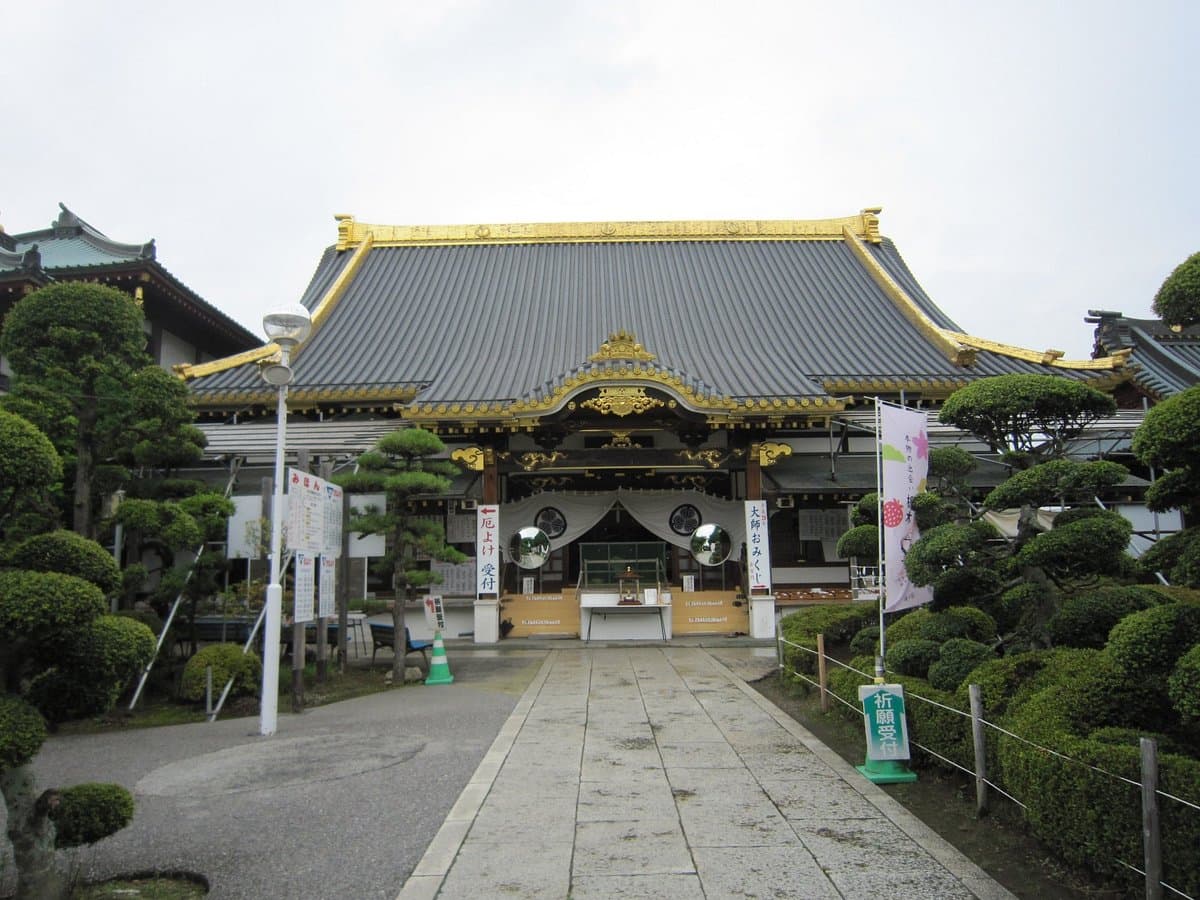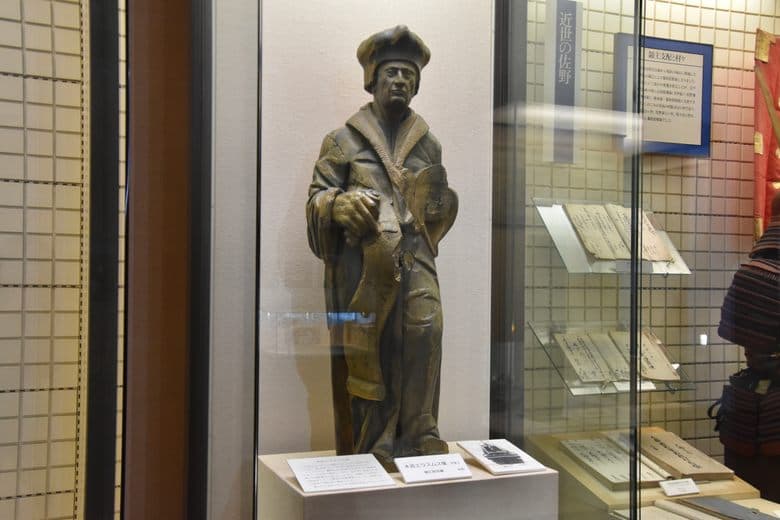
The Kateki statue represents a fascinating, almost accidental, intersection of Japanese folklore and European history. Originally revered at Ryūkōin Temple in Sano City, it was long believed to be an ancient Chinese polymath or even a child-eating hag. Its true identity as a figurehead of Desiderius Erasmus from the Dutch ship 'De Liefde', which wrecked in Japan in 1600, was only discovered in 1924. This revelation highlights the unexpected ways historical artifacts can travel and be reinterpreted across cultures.
Visitors interested in the Kateki statue should be aware that the original, designated a National Treasure, is rarely on public display and is often housed at the Tokyo National Museum. Reviewers note that the Sano City Museum offers a permanent replica, which provides a good opportunity to learn about its history and significance without needing to track down the original. This replica is praised for its accessibility and the detailed information provided alongside it, allowing for a comprehensive understanding of the statue's journey from a Dutch ship to a Japanese temple.
For those planning a visit, allocating about 1-2 hours at the Sano City Museum should be sufficient to appreciate the replica and its accompanying exhibits. The museum is generally quiet, offering a peaceful environment for contemplation. It is advisable to check the Sano City Museum's official website for current opening hours and any temporary closures before visiting. There are no specific items to bring, but a camera might be useful for capturing the replica.
The Sano City Museum is accessible by public transport. Sano Station, served by the Tobu Sano Line and the JR Ryōmō Line, is the nearest major station. From Sano Station, the museum is typically a short taxi ride or a walk of about 20-30 minutes. Driving is also an option, and the museum usually has parking available. Visitors should confirm local bus routes if they prefer public transport directly to the museum entrance.
A common point of confusion for visitors is the location of the original statue. Many expect to see the actual Erasmus figurehead in Sano, but it is important to remember that only a replica is permanently housed there. To avoid disappointment, visitors should manage their expectations and focus on the educational experience offered by the replica and the museum's broader collection.