The Japan Brick Museum, located in Fukaya, Saitama Prefecture, is housed within the former Nippon Renga Seizo (Japan Brick Manufacturing) factory, a site of significant industrial heritage. Established in 1887, this factory played a crucial role in Japan's modernization by producing bricks for major infrastructure projects, including Tokyo Station. The museum preserves the original brick kilns and buildings, offering a tangible connection to the Meiji era's industrial revolution.
Visitors consistently praise the historical significance of the site and the impressive scale of the preserved brick kilns. Many appreciate the opportunity to see the actual machinery and learn about the labor-intensive process of brick making. Reviewers often highlight the architectural beauty of the red brick structures themselves. However, some visitors note that the exhibits, while informative, can be somewhat sparse or lack extensive English explanations, which might limit the experience for non-Japanese speakers. The museum is generally quiet, providing a peaceful environment for exploration.
To make the most of your visit, consider spending about 1 to 2 hours exploring the museum. It's advisable to bring a translation app if you don't understand Japanese, as English information might be limited. The site is mostly outdoors, so dress appropriately for the weather, and comfortable shoes are recommended for walking around the factory grounds. There are no extensive dining options directly at the museum, so plan to eat before or after your visit.
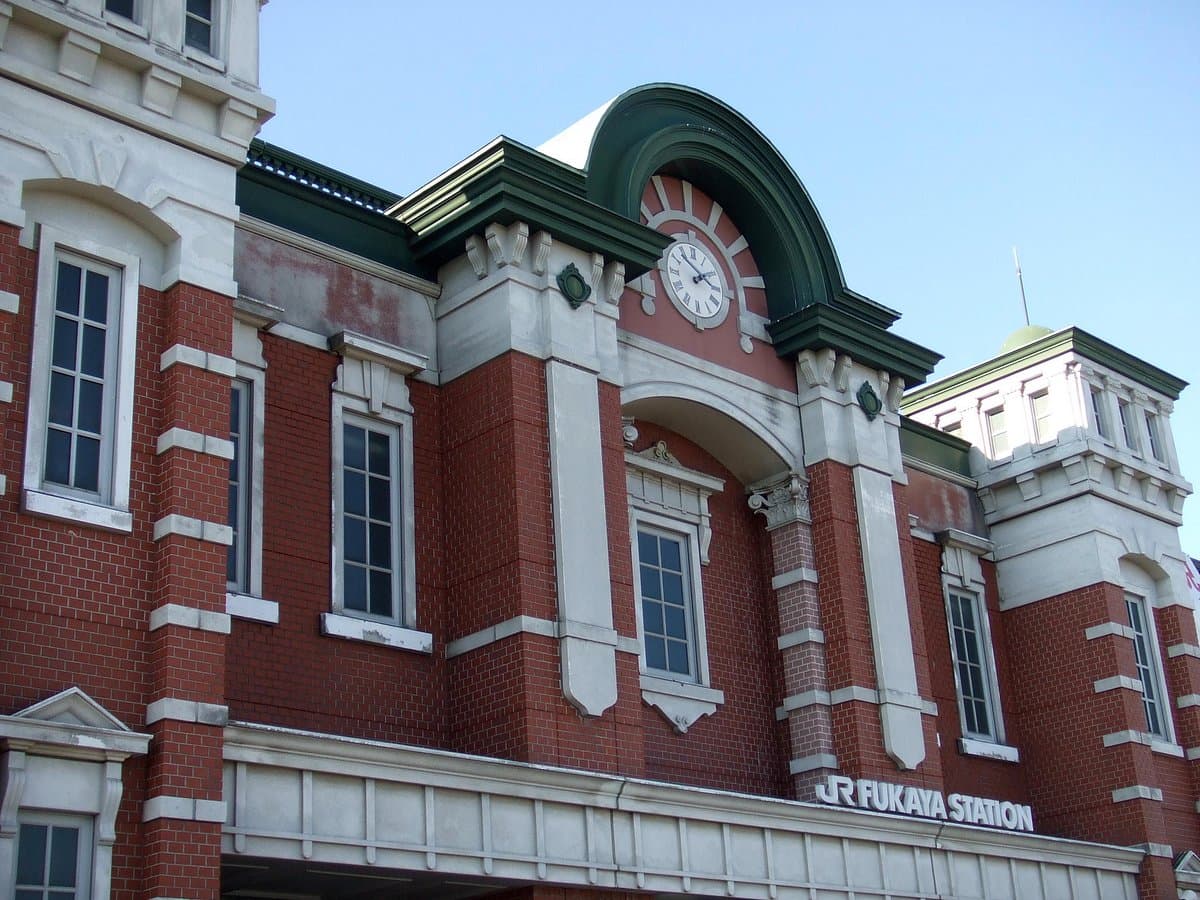
The Japan Brick Museum is located at 28-10 Joshikimen, Fukaya. While specific public transport details are not widely reviewed, Fukaya Station is the nearest major train station. From there, local buses or a taxi would likely be required to reach the museum, as it is not within easy walking distance. Driving is also an option, and parking facilities are usually available on-site.
A common complaint is the lack of comprehensive English signage and explanations. To mitigate this, consider researching the factory's history beforehand or using a real-time translation application on your smartphone to better understand the Japanese descriptions. Some visitors also mention that the museum's offerings are quite specific, so those without a keen interest in industrial history might find it less engaging.