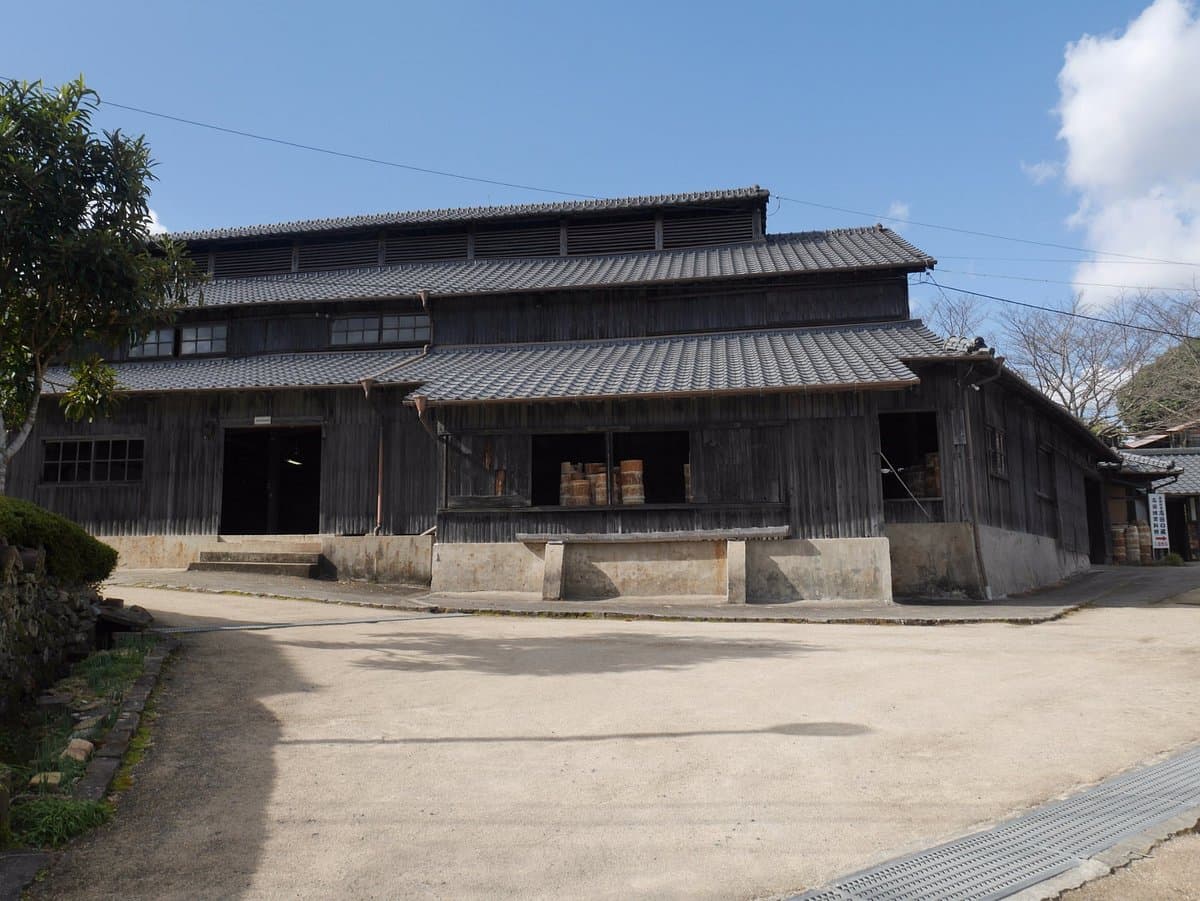
The Shida-yaki Pottery Factory Museum is a historical site dedicated to the traditional Japanese pottery known as Shida-yaki. It preserves a factory village dating back to the late 19th century, offering visitors a tangible connection to Japan's industrial heritage and the intricate craft of pottery making. This museum is significant for showcasing the evolution of pottery production and the cultural importance of these ceramics in the region.
Visitors consistently praise the museum for its engaging atmosphere and the hospitality of its staff. Many reviewers highlight the opportunity to participate in hands-on activities, such as decorating clay lanterns, which adds a personal and memorable dimension to the visit. The self-guided tour is well-supported with English placards, making it accessible even for those who do not speak Japanese. The beautiful location and the chance to explore a historical factory setting are frequently mentioned as positive aspects of the experience.
For a comfortable visit, it is advisable to bring a jacket during colder months, as parts of the experience, such as the studio for decorating, can be cool. Visitors typically spend about 1-2 hours exploring the museum and participating in activities. While Japanese language is encouraged for deeper interaction, the English placards ensure a comprehensive self-guided tour. Consider visiting during off-peak hours for a more tranquil experience, though specific peak times are not frequently mentioned in reviews.
The museum is accessible from Ureshino Onsen village. Public transport options include a bus, which costs 310 yen per one-way trip. Alternatively, it is approximately a one-hour walk from Ureshino Onsen village. Reviewers do not provide specific bus line numbers or station names, but indicate that timetables are available from Ureshino Onsen village. Driving information and parking availability are not detailed in the reviews, but given its location, driving might be a convenient option for those with a car.
Common complaints are not extensively detailed in reviews, suggesting a generally positive visitor experience. However, some visitors might find the museum to be relatively quiet or less interactive if they are not interested in the hands-on pottery decoration. To mitigate this, consider engaging with the staff and taking advantage of the decorating activities to enhance the visit.