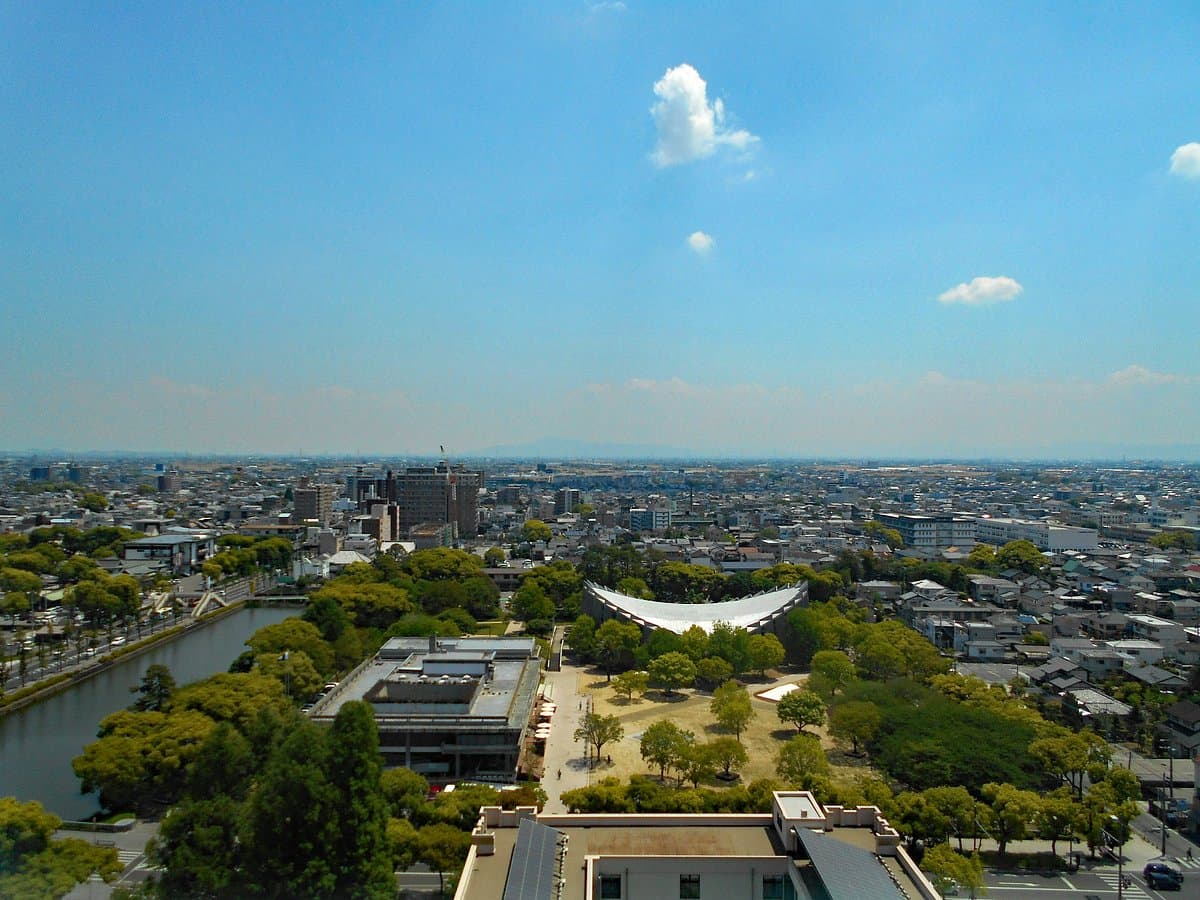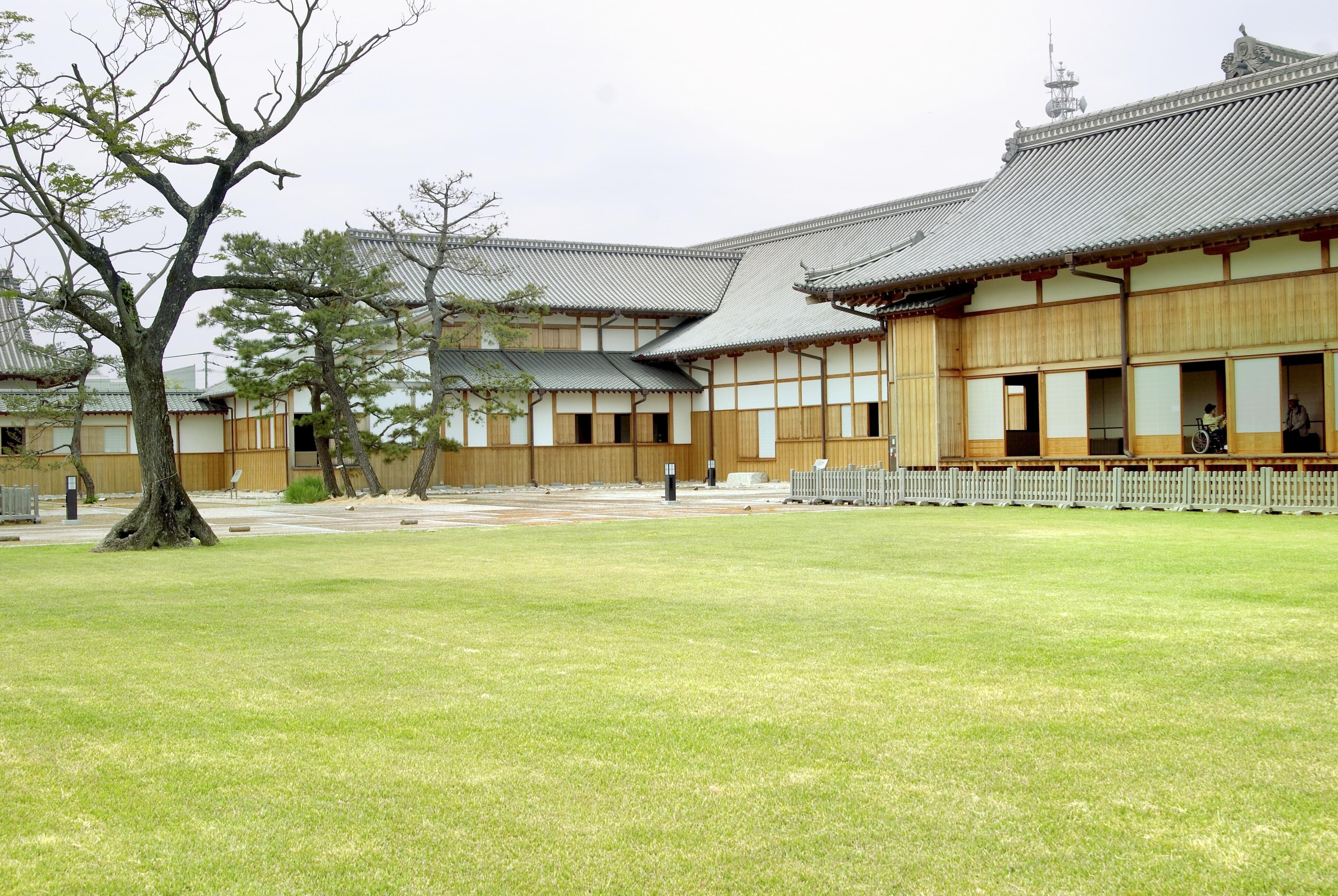
Saga Castle, historically known as Zuojia City, Shen City, or Turtle City, was a significant flatland castle completed in the early Edo period and served as the seat of the Saga Domain. While most of its original structures were destroyed during the Saga Rebellion in the Meiji era, the Shizuo Gate and Tsukugura have survived, and the Honmaru Palace has been meticulously restored to house the Saga Castle Honmaru History Museum. This museum is one of Japan's largest wooden restored buildings, offering a tangible connection to the region's samurai past and its pivotal role in Japan's modernization.
Visitors frequently commend the museum for its extensive and well-maintained wooden interiors, particularly the large tatami rooms that evoke a sense of historical grandeur. The exhibits are praised for their clarity and depth, often featuring documents, videos, and models that detail the Saga Domain's achievements and progressive spirit from the late Edo period through the Meiji Restoration. Many reviewers highlight the availability of free English audio guides and the presence of friendly, knowledgeable staff, including English-speaking volunteer guides, which significantly enhances the visitor experience. Interactive elements, such as traditional puzzles and children's activities, are also noted as engaging additions.
To make the most of your visit, plan to spend approximately 2-3 hours exploring the museum and its grounds. Reviewers suggest that the museum is rarely crowded, making for a pleasant and unhurried experience, especially during weekdays. It's a good option even on rainy days, as most of the experience is indoors. Consider bringing comfortable shoes for walking, as the area around the castle is maintained as a park. Many visitors appreciate the free lockers available for convenience.
Saga Castle is conveniently located in the center of Saga City. From JR Saga Station, it's about a 15-30 minute walk, with many reviewers noting the pleasant stroll through Chuo-dori. Alternatively, city buses are available to take you closer to the site. While the route from the station might not always be clearly marked, asking locals for directions is a common and effective strategy. For those driving, the castle is accessible, though parking details are not frequently mentioned in reviews.
A common observation from visitors is that while the Honmaru Palace is a magnificent reconstruction, the castle itself is largely ruins, with no towering keep like some other Japanese castles. Those expecting a traditional castle tower might be surprised. However, reviewers generally find the restored palace and its museum to be a compelling and educational experience that more than compensates for the lack of a traditional castle structure. The focus here is on the interior experience and historical context rather than external grandeur.