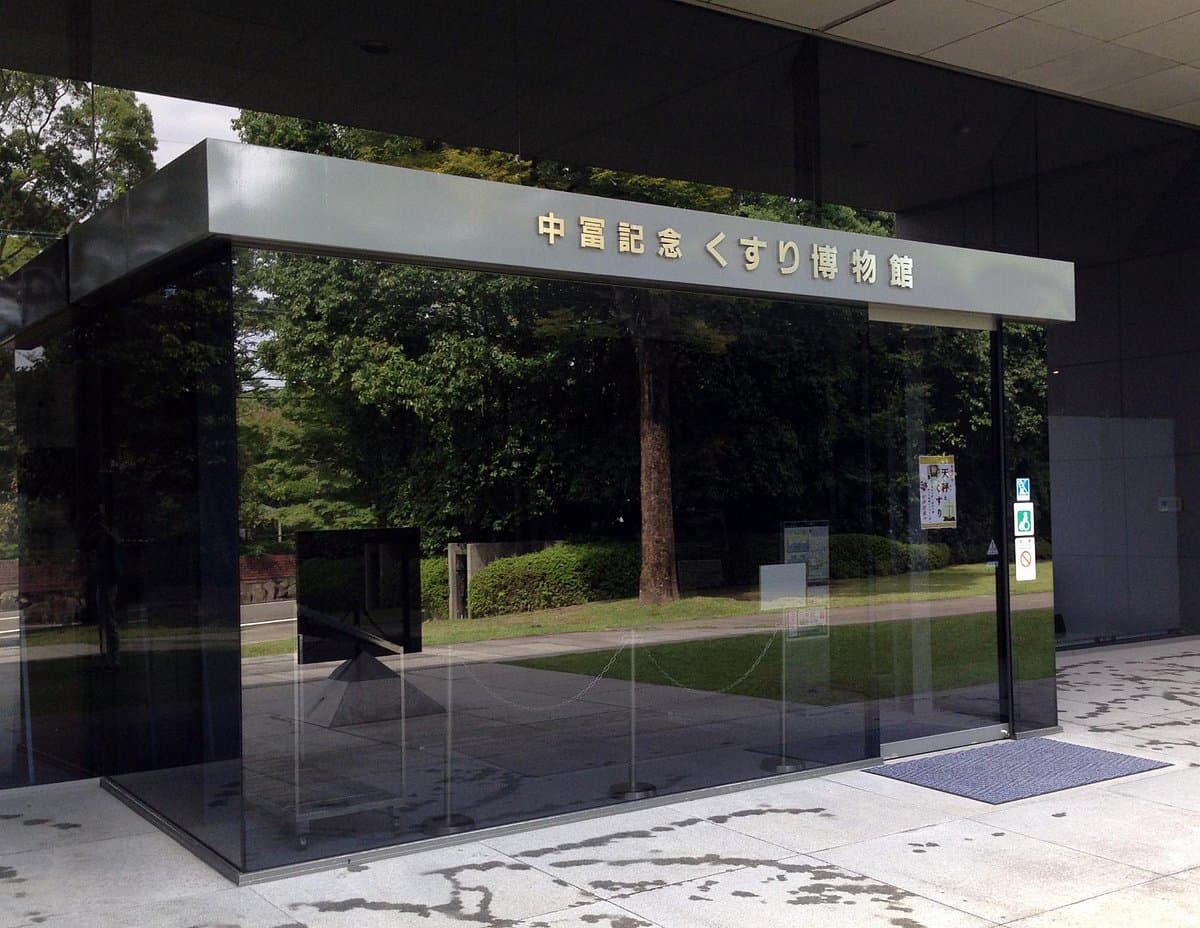
The Nakatomi Memorial Medicine Museum is a specialized institution dedicated to preserving and exhibiting the history of medicine, with a particular focus on traditional Japanese and Chinese medical practices, as well as the introduction of Western medicine to Japan. It serves as an important educational resource, offering insights into the tools, techniques, and philosophies that have shaped healthcare over centuries.
Visitors consistently praise the museum for its well-curated collection and the quiet, contemplative environment it offers. Reviewers often highlight the detailed displays of antique medical instruments, traditional herbal remedies, and historical texts, finding them both informative and fascinating. The museum's ability to present complex medical history in an accessible manner is frequently commended, making it an engaging experience even for those without a deep background in the subject. The serene gardens surrounding the museum are also noted as a pleasant addition, providing a peaceful space for reflection.
To make the most of your visit, allocate approximately 1 to 2 hours to explore the exhibits thoroughly. The museum is generally not crowded, allowing for a leisurely pace. It is advisable to visit during the morning or early afternoon to ensure ample time before closing. While there are no specific items to bring, comfortable shoes are always recommended for museum visits. There are no particular aspects to skip, as the entire collection contributes to the narrative of medical history presented.
The museum is located at 288-1, Kannabecho, Tosu, Saga Prefecture. While specific public transport details are not widely reviewed, Tosu is a city with train connections. Visitors typically find it most convenient to reach the museum by car or taxi, especially given its location which may not be directly adjacent to major public transport hubs. Parking facilities are usually available on-site or nearby.
Common complaints are rare, but some visitors, particularly those with limited interest in medical history, might find the subject matter too niche. However, for those with even a passing curiosity, the museum's presentation generally overcomes this. There are no significant issues regarding accessibility or visitor experience mentioned in reviews.