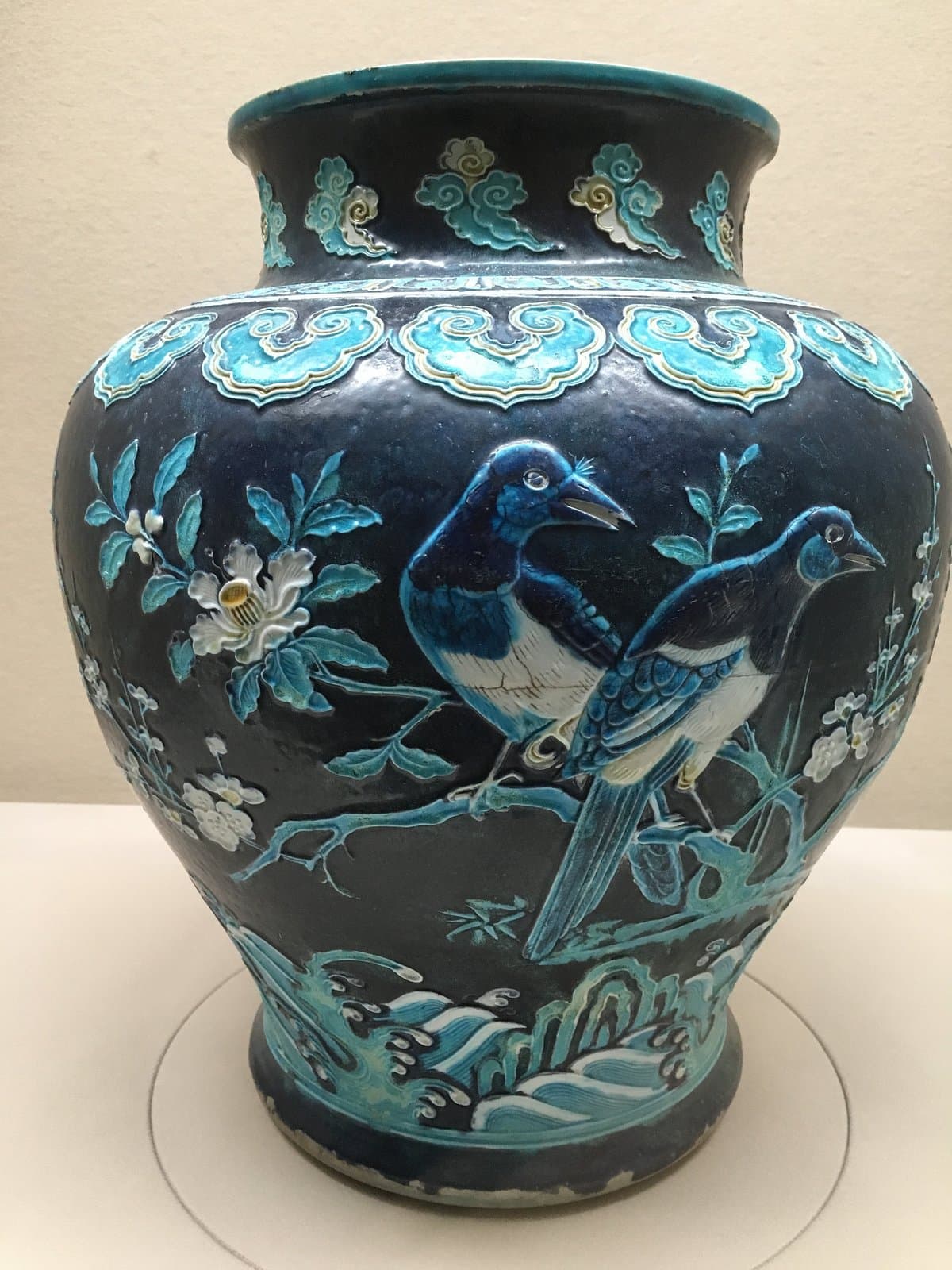
The Museum of Oriental Ceramics, Osaka, is a significant institution dedicated to the preservation and exhibition of East Asian ceramics. Established in 1982, it houses a world-class collection, including many National Treasures and Important Cultural Properties, primarily focusing on Chinese, Korean, and Japanese pottery. The museum plays a crucial role in showcasing the rich artistic heritage and historical connections across these cultures through the medium of ceramics.
Visitors frequently commend the museum for its elegant presentation and the high quality of its exhibits. Many reviewers highlight the beautiful lighting and spacious displays that allow for an unhurried appreciation of each piece. The museum's ability to provide English explanations, often through signs and audio guides, is consistently praised, making it accessible to international visitors. The tranquil and uncrowded atmosphere is another recurring positive, offering a peaceful contrast to Osaka's bustling urban environment. While the permanent collection is highly regarded, the temporary exhibitions also receive considerable attention, with many visitors planning their trips around these special showcases.
To make the most of your visit, allocate approximately 1.5 to 3 hours, depending on your interest level in ceramics and whether you engage with audio guides or special exhibitions. Many visitors recommend visiting in the morning for the quietest experience. It's advisable to check the museum's official website for current exhibition details and any temporary closures, as some reviewers expressed disappointment over unexpected closures or exhibitions that did not align with their expectations. Photography is generally permitted without flash, which is a plus for many.
The museum is conveniently located on Nakanoshima island, easily accessible by subway. Several reviewers mention its proximity to City Hall and the Rose Garden, suggesting a pleasant walk in the area before or after your visit. The nearest subway stations are Yodoyabashi Station (Midosuji Line, Keihan Line) or Higobashi Station (Yotsubashi Line), both within a few hundred meters walking distance. If you have an Osaka Metro pass, inquire about potential discounts on admission. The museum's setting next to the river also offers a nice opportunity for a leisurely stroll.
A common complaint among some visitors is the perceived high entry fee, especially if the current temporary exhibition is not to their taste or if they find the permanent collection smaller than anticipated. Some also noted that temporary exhibitions might displace parts of the permanent collection. To mitigate this, always check the museum's website for the current exhibition schedule and content before your visit. If you are not a dedicated ceramics enthusiast, consider if the current offerings align with your interests to ensure value for money. Senior discounts are available but often have a high age requirement (e.g., over 71).