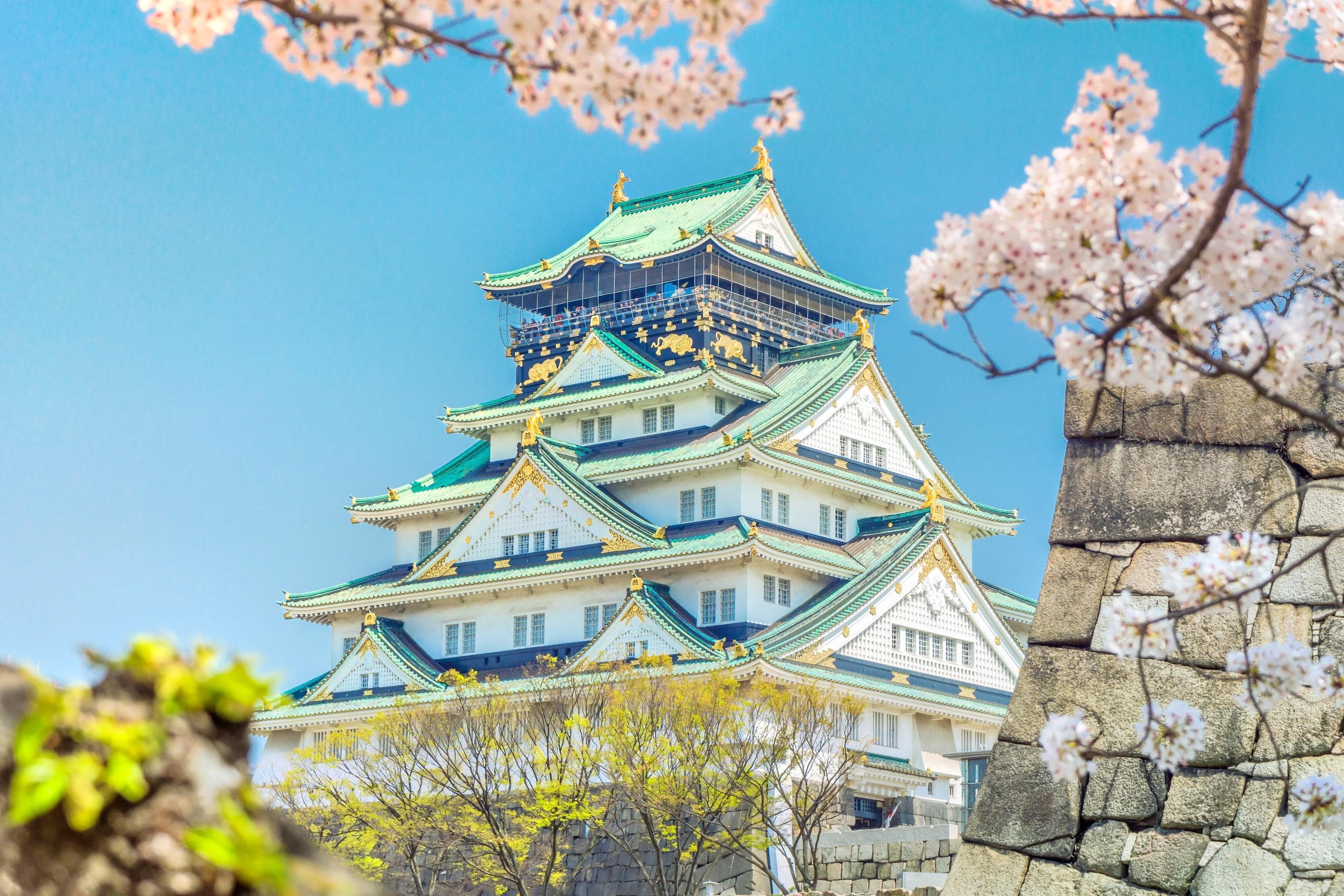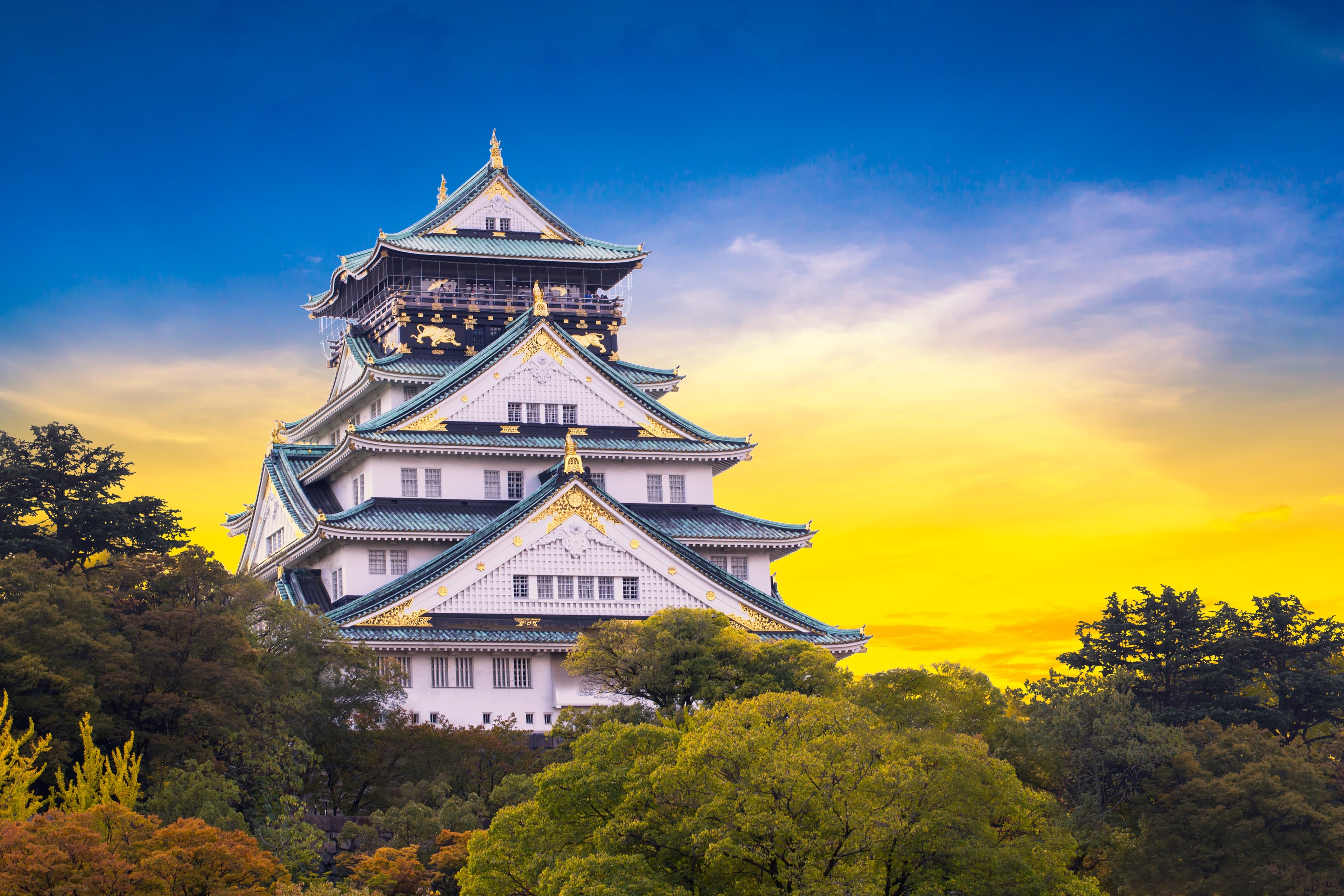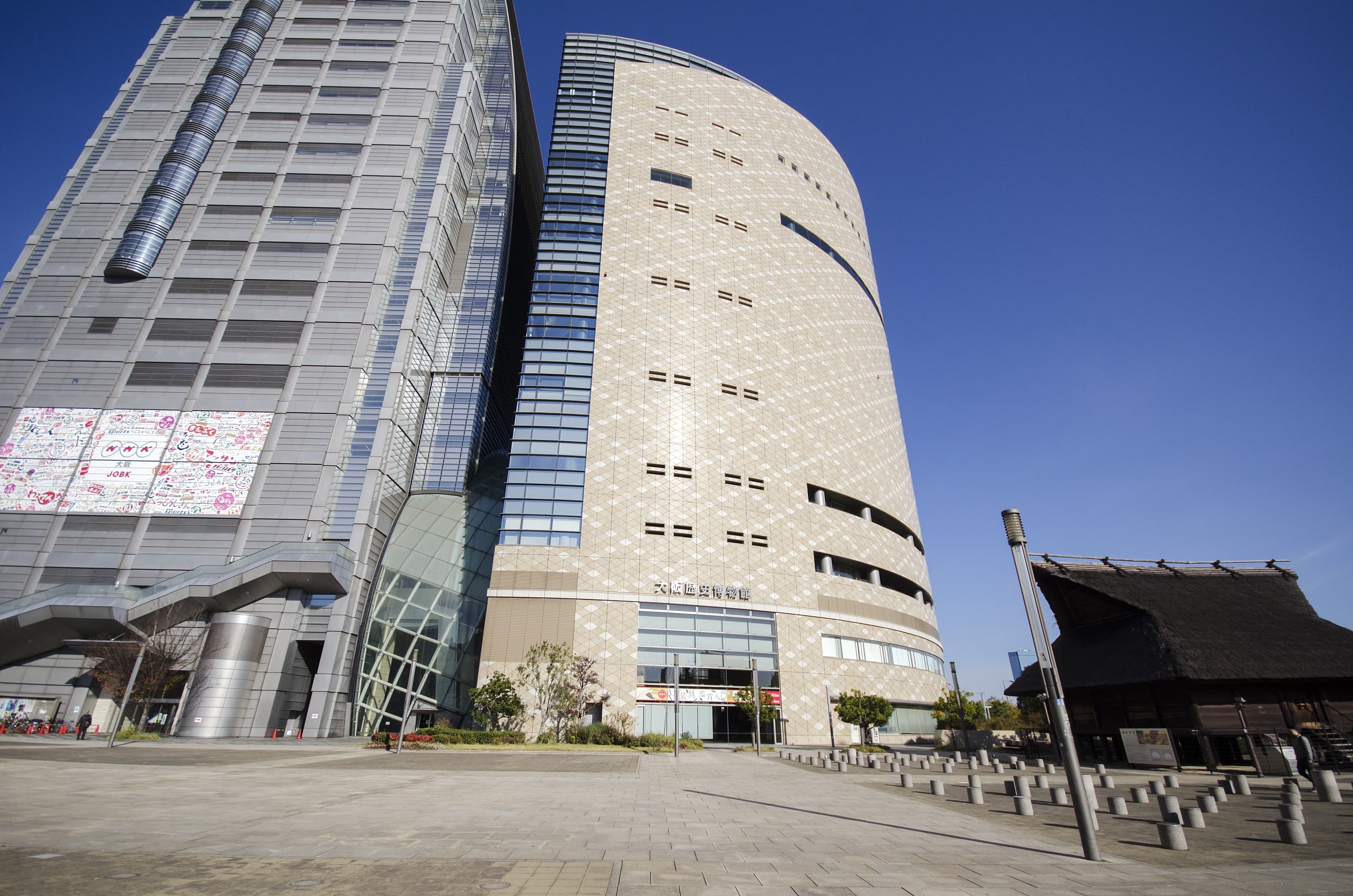
The Osaka Museum of History provides a comprehensive overview of Osaka's rich past, from the ancient Naniwa Palace era to its modern development. Situated strategically across from Osaka Castle, it serves as an excellent companion to understanding the castle's significance and the city's evolution. Unlike many traditional museums, it emphasizes immersive experiences through detailed dioramas, life-sized recreations, and multimedia displays, offering a dynamic perspective on historical events and daily life.
Visitors frequently highlight the museum's engaging presentation, particularly the miniature models depicting Edo-period town life and the interactive exhibits that appeal to all ages. Many appreciate the systematic journey from the 10th floor downwards, which chronologically unfolds Osaka's history. A consistent point of praise is the spectacular panoramic view of Osaka Castle and its park from the upper floors, especially the 10th floor, which many find more rewarding than the castle interior itself. Reviewers also mention the opportunity to try on traditional kimonos for free and the availability of hands-on activities for children, such as archaeological fragment puzzles.
To make the most of your visit, plan to spend 2-3 hours, starting from the 10th floor and working your way down. Many recommend purchasing a combined ticket with Osaka Castle for a discounted rate. While the museum's primary language is Japanese, English audio guides are available for a small fee (around 200 yen) and are highly recommended by visitors for deeper understanding, as English signage can be limited or in small print. Consider visiting on a weekday morning to avoid crowds, as the museum can get busy, especially in the lobby. It's also a great option for a rainy day.
The museum is conveniently located on the west side of Osaka Castle Park. It is easily accessible via the subway; several reviewers mention its proximity to a subway station, making it a short walk. If you're coming from Osaka Castle, it's just one intersection away, about 300-400 meters from the main entrance. Some visitors noted difficulty finding the main entrance due to unclear signage, advising to look for the building and potentially ask for directions if signs are not immediately visible. The museum is located on the 8th to 10th floors of a building, so you'll need to take an elevator to start your tour.
A common complaint among English-speaking visitors is the limited English explanations for many exhibits, which can make it challenging to fully grasp the historical context without an audio guide. Some also express disappointment over the lack of coverage or vague references to certain historical periods, such as WWII. To mitigate this, renting an English audio guide is strongly advised. Additionally, while photography is generally allowed, some specific areas may prohibit it, so visitors should pay attention to signs.